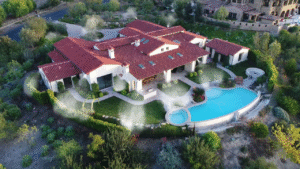

Defensible space in California refers to the required buffer between your home and surrounding vegetation that is designed to slow or stop the spread of wildfire.
It is one of the most fundamental wildfire mitigation strategies and is required by state law in fire prone areas.
Defensible space is not just about clearing brush. It is about reducing ignition potential and giving your home a better chance of surviving ember exposure, radiant heat, and direct flame contact.
In California, defensible space is divided into three zones:
- Zone 0: zero to five feet from the structure
- Zone 1: five to thirty feet
- Zone 2: thirty to one hundred feet
Each zone plays a different role in wildfire home protection.
Not sure which step to prioritize first? Our wildfire risk calculator shows your CAL FIRE zone and exposure level — so you know exactly where to start.
Why Defensible Space Matters More Than Ever
Wildfires in California are no longer seasonal events. They are year round risks driven by drought, wind, and fuel buildup.
At the same time, firefighting resources are stretched thin during major events. That means your home must be able to withstand wildfire conditions with limited or delayed assistance.
Defensible space helps by:
- Slowing the spread of fire
- Reducing flame length and intensity
- Limiting available fuel near the structure
- Improving firefighter access and safety
However, defensible space alone is not enough.
Understanding Zone 0, Zone 1, and Zone 2
California defensible space is structured into three zones, each with a specific purpose.
Think of it as a layered defense system moving outward from your home.
- Zone 0 focuses on preventing ignition at the structure
- Zone 1 reduces heat and flame exposure
- Zone 2 slows fire spread across the property
Each zone must be addressed properly to create effective wildfire protection.
Zone 0: The Most Important Five Feet
Zone 0 is the area within five feet of your home and is now the most critical focus in California wildfire policy.
This is where embers most often ignite homes.
Best practices for Zone 0 include:
- Removing all combustible materials
- Eliminating mulch and wood based ground cover
- Keeping decks and patios clear
- Using non-combustible materials such as gravel or stone
- Sealing gaps where embers can accumulate
Editor’s note: Your insurance situation depends heavily on your property’s actual fire exposure. Our free risk assessment factors in official CAL FIRE data to show what your risk level actually is — useful context before talking to your carrier.
Zone 1: Immediate Defensible Space
Zone 1 extends from five to thirty feet from the home.
This area focuses on reducing fire intensity and preventing flames from reaching the structure.
Best practices include:
- Spacing trees and shrubs
- Removing dead vegetation
- Maintaining lawns and ground cover
- Pruning branches away from structures
- Keeping vegetation well irrigated
This zone helps reduce radiant heat exposure and limits the ability of fire to build intensity near the home.
Zone 2: Extended Defensible Space
Zone 2 extends from thirty to one hundred feet from the home.
This is where fire behavior can be influenced before it reaches your immediate defensible space.
Best practices include:
- Thinning vegetation
- Removing fallen branches and debris
- Creating horizontal and vertical spacing between fuels
- Reducing overall fuel load
Zone 2 plays a critical role in slowing wildfire spread across your property and protecting neighboring structures.
AB 3074 and Zone 0 Compliance
California Assembly Bill 3074 has brought increased attention to Zone 0 and the area immediately surrounding structures.
This legislation reinforces the importance of:
- Ignition resistant materials
- Reduced combustible surfaces
- Stronger enforcement of defensible space requirements
Homeowners should expect increased inspection and compliance requirements tied to Zone 0 in the coming years. This is not just a recommendation. It is becoming a standard.
How Defensible Space Impacts Insurance
Insurance carriers are increasingly evaluating defensible space when making underwriting decisions.
They are looking for:
- Proper Zone 0 maintenance
- Clear Zone 1 and Zone 2 spacing
- Ongoing vegetation management
- Evidence of risk reduction
Homes that demonstrate strong defensible space practices may benefit from:
- Improved underwriting outcomes
- Greater access to traditional insurance carriers
- Reduced reliance on last resort coverage options
Where Defensible Space Falls Short
Defensible space is essential, but it has limitations.
It does not:
- Stop airborne embers from traveling long distances
- Protect vulnerable structural components
- Provide active protection during a fire event
This is why many homes that meet defensible space requirements still experience loss during wildfires. The missing piece is often ignition resistance at the structure itself.
Building a Complete Wildfire Protection Strategy
The most effective wildfire home defense strategies combine multiple layers of protection.
A complete approach includes:
- Zone 0 compliance
- Home hardening
- Defensible space across all zones
- Active wildfire defense systems
Fire retardant spray and wildfire defense systems add a layer that defensible space alone cannot provide. They help address ember exposure, which is the leading cause of structure loss.
Frequently Asked Questions
What is defensible space in California?
It is the required buffer around a home designed to reduce wildfire risk.
Is defensible space required by law?
Yes, in many wildfire prone areas under California regulations.
What is Zone 0?
The first five feet around your home where ignition risk must be minimized.
What is Zone 1?
The area from five to thirty feet focused on reducing fire intensity.
What is Zone 2?
The area from thirty to one hundred feet focused on slowing fire spread.
Does defensible space guarantee protection?
No, it reduces risk but does not eliminate it.
How often should defensible space be maintained?
Regularly throughout the year, especially before fire season.
Does defensible space affect insurance?
Yes, it is increasingly important for underwriting decisions.
What is AB 3074?
A California law that strengthens wildfire mitigation requirements including Zone 0.
What is the best wildfire protection strategy?
A layered approach combining defensible space, home hardening, and active systems.
Next Steps
If you want to improve your defensible space in California, the next step is a comprehensive property assessment.
This helps identify:
- Gaps in Zone 0, Zone 1, and Zone 2
- Opportunities to improve compliance
- Areas where additional protection may be needed
Want to know where your home stands? Get Your Free Satellite Property Review — we will assess your property’s wildfire risk and help you build a layered protection strategy that improves both survivability and insurability.
Curious about your property’s actual wildfire risk? Our free calculator shows your CAL FIRE zone, exposure level, and recommended next steps based on your address.
Get your free risk score