
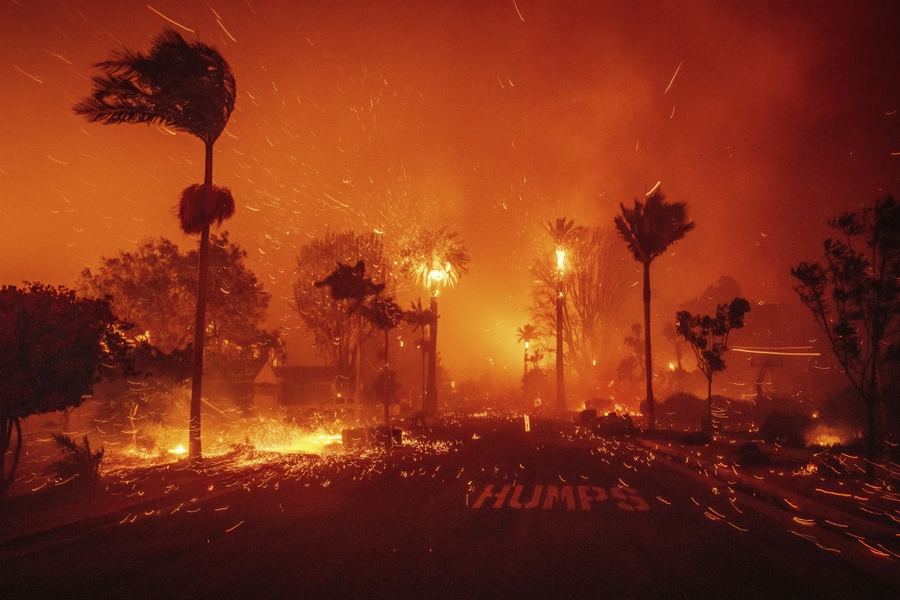
Curious about your property’s actual wildfire risk? Our free calculator shows your CAL FIRE zone, exposure level, and recommended next steps based on your address.
Get your free risk scoreWhy Wildfire Insurance Documentation and Mitigation Proof Matter
If you live in a wildfire-prone area of California, your ability to obtain and keep homeowners insurance increasingly depends on one thing: wildfire insurance documentation mitigation proof. Insurance carriers across the state are tightening their underwriting requirements, and homeowners who cannot demonstrate concrete wildfire mitigation work face non-renewal notices, skyrocketing premiums, or outright denial of coverage.
Documenting your defensible space and home hardening efforts is no longer optional. It is a strategic necessity that directly impacts your coverage options, premium costs, and long-term insurability. This guide walks you through exactly what to photograph, which receipts to save, how to compile professional assessment reports, and how to present your mitigation portfolio to insurance carriers for maximum impact.
Editor’s note: Your insurance situation depends heavily on your property’s actual fire exposure. Our free risk assessment factors in official CAL FIRE data to show what your risk level actually is — useful context before talking to your carrier.
What to Photograph for Wildfire Insurance Documentation
Visual evidence is the foundation of any strong wildfire insurance documentation package. Insurance adjusters and underwriters need to see the current state of your property from multiple angles. Start with wide-angle photographs of each side of your home, capturing the full extent of your Zone 0 wildfire protection zone and the surrounding landscape.
Key areas to photograph include:
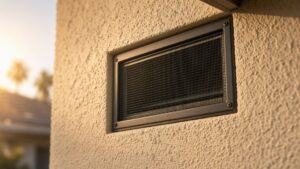
- Roof and gutters: Show Class A fire-rated roofing material, clean gutters free of debris, and any ember-resistant vent covers installed.
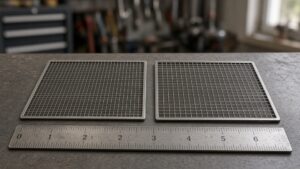
- Eaves and soffits: Document enclosed eaves, non-combustible soffits, and any mesh screening over ventilation openings.
- Siding and exterior walls: Capture fire-resistant siding materials such as stucco, fiber cement, or fire-treated wood.
- Windows and doors: Photograph dual-pane tempered glass windows and any fire-rated exterior doors.
- Decks and fencing: Show non-combustible decking materials and metal or non-combustible fencing within five feet of the structure.
- Vegetation clearance: Document the full defensible space zones — zero to five feet of non-combustible landscaping, five to thirty feet of lean and clean vegetation, and thirty to one hundred feet of reduced fuel loads.
- Driveways and access: Show clear, accessible driveways that meet fire apparatus access requirements.
Take photographs with timestamps enabled on your camera or phone. Date-stamped images carry significantly more weight with insurance underwriters because they prove the mitigation work is current, not years old.
Receipts and Records to Save for Mitigation Proof
Beyond photographs, your wildfire insurance documentation must include financial records proving you invested in fire-resistant upgrades. Carriers want to see that you have put real money into protecting your property through home hardening work.
Organize and keep the following receipts and records:
- Contractor invoices: Any work done by licensed contractors for roofing, siding, window replacement, or deck rebuilds with fire-resistant materials.
- Material purchase receipts: Receipts for Class A roofing materials, ember-resistant vents, fire-rated doors, tempered glass windows, and non-combustible decking.
- Landscaping invoices: Payments to landscapers or tree services for vegetation management, dead tree removal, and brush clearing.
- Fire suppression systems: Receipts for integrated fire defense systems including exterior sprinkler systems, fire gel applicators, or ember detection technology.
- Annual maintenance records: Documentation of yearly gutter cleaning, brush clearing, and defensible space maintenance.
- Permit records: Any building permits pulled for fire-related upgrades that demonstrate California building code compliance.
Professional Assessment Reports
One of the most powerful tools in your wildfire insurance documentation portfolio is a professional wildfire risk assessment. These reports carry tremendous weight with insurance carriers because they come from trained wildfire mitigation professionals rather than homeowners.
A professional assessment typically includes:
- Property-level risk scoring: A detailed evaluation of your home’s vulnerability based on construction materials, vegetation, topography, and proximity to wildland areas.
- Compliance verification: Confirmation that your property meets or exceeds requirements under California wildfire laws and local fire codes.
- Defensible space inspection: Zone-by-zone evaluation of vegetation management with specific measurements and fuel load assessments.
- Structural vulnerability audit: Analysis of your home’s exterior components for fire resistance, including roof, walls, windows, vents, and attachments.
- Recommendations report: A prioritized list of remaining improvements, which shows insurers you have a plan for continued risk reduction.
Many insurance carriers now specifically request third-party assessments before issuing or renewing policies in high-risk wildfire zones. Having a professional report ready before your renewal date gives you a significant advantage in negotiations.
Before and After Documentation
Before-and-after documentation is one of the most persuasive forms of wildfire insurance documentation mitigation proof you can present. When an underwriter can visually compare the state of your property before and after mitigation work, the risk reduction becomes immediately apparent.
For every major mitigation project, capture:
- Before photos: Document the original condition — the old wood shake roof, the overgrown vegetation, the combustible deck, or the single-pane windows.
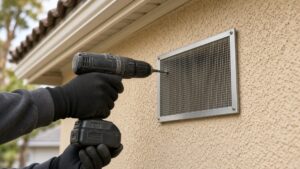
- During construction photos: Show the work in progress, including removal of old materials and installation of new fire-resistant components.
- After photos: Capture the completed upgrade from the same angle as the before photo for direct comparison.
- Date stamps on all images: Ensure every photograph has a clear date to establish a timeline of improvements.
Organize before-and-after comparisons side by side in your documentation portfolio. This visual storytelling approach makes it easy for underwriters to quickly grasp the scope and quality of your mitigation investments.
Creating a Comprehensive Mitigation Portfolio
Your mitigation portfolio should be a single organized document or binder that combines all your wildfire insurance documentation into one professional package. Think of it as a resume for your property — it tells the story of everything you have done to reduce wildfire risk.
Structure your portfolio with these sections:
- Executive summary: A one-page overview of your property, its location, fire history in your area, and a summary of all mitigation work completed.
- Property photographs: Current dated photographs of all four sides of your home, roof, defensible space zones, and access roads.
- Before-and-after comparisons: Side-by-side images organized by project.
- Professional assessment report: The full third-party wildfire risk evaluation.
- Receipts and invoices: Organized by category — structural hardening, landscaping, fire suppression, maintenance.
- Permits and compliance records: Building permits, inspection sign-offs, and compliance certificates.
- Maintenance schedule: A documented plan for ongoing defensible space maintenance and annual inspections.
How to Present Your Documentation to Insurers
Timing and presentation matter when submitting your wildfire insurance documentation. Do not wait until you receive a non-renewal notice. Proactively submit your mitigation portfolio at least 90 days before your policy renewal date.
When presenting to your carrier:
- Contact your agent directly: Schedule a call or meeting specifically to discuss your wildfire mitigation efforts. Do not simply email documents without context.
- Provide a digital and physical copy: Send a well-organized PDF version and offer a printed binder if requested.
- Highlight key investments: Lead with your most significant upgrades — a new fire-rated roof, a complete defensible space overhaul, or installation of an exterior sprinkler system.
- Reference local fire history: Include data about how your mitigation work addresses specific risks in your fire zone.
- Ask for a re-inspection: Request that your carrier send an inspector to verify your improvements in person.
What Insurance Carriers Want to See
Understanding what underwriters prioritize helps you focus your documentation efforts. Carriers consistently rank these factors highest when evaluating wildfire risk:
- Roof material and condition: Class A fire-rated roofing is the single most important structural factor.
- Defensible space compliance: Clear evidence that all zones meet or exceed state and local requirements.
- Ember resistance: Screened vents, enclosed eaves, and sealed gaps that prevent ember intrusion.
- Access for emergency vehicles: Wide driveways, turnaround areas, and clear access roads.
- Ongoing maintenance commitment: Evidence of regular, scheduled maintenance rather than one-time cleanup.
- Community-level mitigation: Participation in Firewise USA communities or local fire safe councils.
How Documentation Affects Premiums and Renewals
Comprehensive wildfire insurance documentation mitigation proof directly impacts your bottom line. Homeowners who present thorough documentation packages typically see several tangible benefits:
- Premium reductions: Some carriers offer discounts of 5 to 15 percent for documented wildfire mitigation, especially when verified by a professional assessment.
- Renewal approvals: Properties flagged for non-renewal have been successfully retained after homeowners submitted complete mitigation portfolios demonstrating significant risk reduction.
- Expanded carrier options: When shopping for new coverage, a professional mitigation portfolio opens doors with carriers who otherwise would not write policies in your fire zone.
- FAIR Plan exit strategies: Homeowners currently insured through the California FAIR Plan can use documentation to qualify for voluntary market coverage, which typically offers better rates and broader protection.
- Claims advantages: In the event of a wildfire, pre-existing documentation of your property’s condition and improvements strengthens your claims position and can accelerate settlement.
Frequently Asked Questions
How often should I update my wildfire insurance documentation?
Update your documentation at least once per year, ideally 90 to 120 days before your policy renewal date. Add new photographs after every maintenance session or completed improvement project. Annual updates show insurers that your mitigation is ongoing, not a one-time effort.
Will my insurance company actually look at my documentation?
Yes. California regulations increasingly require insurers to consider wildfire mitigation efforts when making underwriting decisions. Under recent legislation, carriers must factor in defensible space and home hardening improvements when evaluating risk. Submitting documentation ensures these factors are part of your file.
Do I need a professional assessment or can I document everything myself?
While self-documentation is valuable, a professional assessment from a certified wildfire mitigation specialist carries significantly more weight with underwriters. The combination of both — your own photographs and receipts plus a third-party professional report — creates the strongest possible case.
What if my insurance was already cancelled? Can documentation help me get coverage again?
Absolutely. If you have completed significant mitigation work since your cancellation, a comprehensive documentation portfolio can help you obtain new coverage. Present your portfolio to multiple carriers and brokers who specialize in wildfire-prone properties. Many homeowners have successfully moved from the FAIR Plan back to voluntary coverage after demonstrating substantial risk reduction.
How should I organize digital photos for maximum impact?
Create folders organized by category — roof, siding, windows, defensible space zones, and landscaping. Name each file with the date and description, such as 2026-07-01_roof_class_a_installation.jpg. Include a master index document listing every photo with its date and description. This level of organization signals professionalism and thoroughness to underwriters.
Take Action: Protect Your Home and Your Coverage
Do not wait for a non-renewal notice to start building your wildfire insurance documentation package. Ember Pro USA specializes in comprehensive wildfire mitigation assessments and documentation services designed specifically to help homeowners maintain and obtain insurance coverage. Our team provides professional risk evaluations, detailed compliance reports, and complete mitigation portfolios that insurance carriers trust.
Contact Ember Pro USA today for a professional wildfire mitigation assessment and let us help you build the documentation package that protects your home and your insurance coverage.
References
- California Department of Insurance — www.insurance.ca.gov — Wildfire mitigation and insurance regulations.
- CAL FIRE — www.fire.ca.gov — Defensible space guidelines and compliance standards.
- National Fire Protection Association (NFPA) — Firewise USA Program — Community-level wildfire preparedness resources.
- Insurance Institute for Business & Home Safety (IBHS) — ibhs.org — Wildfire building code research and home hardening standards.
- California Building Standards Commission — Chapter 7A Building Code — Fire-resistant construction requirements for wildfire-prone areas.