
CAL FIRE defensible space requirements are designed to reduce wildfire risk by creating a buffer between your home and surrounding vegetation.
In most wildfire prone areas, California law requires homeowners to maintain defensible space out to one hundred feet from the structure.
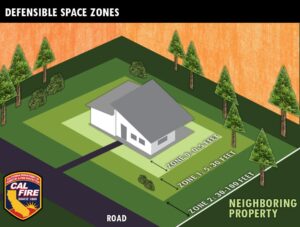
This space is divided into zones, each with specific requirements that focus on reducing ignition risk and slowing fire spread.
Understanding these zones is essential not only for compliance, but for protecting your home.
Why Defensible Space Is Enforced in California
Defensible space is not just a recommendation. It is a legal requirement in many parts of California.
The goal is to:
- Reduce fire intensity near structures
- Limit available fuel
- Improve firefighter access
- Increase the likelihood of structure survival
Enforcement has increased in recent years, especially as wildfire risk continues to grow.
Zone 0 Requirements
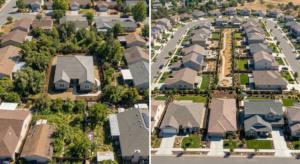
Zone 0 is the area within five feet of your home and is now the most critical focus of wildfire mitigation.
This is where most homes ignite.
CAL FIRE guidance and evolving regulations emphasize eliminating ignition sources in this zone.
Actionable steps include:
- Remove all combustible materials from the first five feet
- Replace mulch with non-combustible materials such as gravel or stone
- Keep roofs, gutters, and decks free of debris
- Eliminate wood piles, furniture, and flammable items
- Seal gaps where embers can accumulate
Zone 0 is the foundation of modern wildfire protection and is closely tied to emerging compliance standards.
Zone 1 Requirements
Zone 1 extends from five to thirty feet from the structure.
This zone is designed to reduce fire intensity and prevent flames from reaching the home.
CAL FIRE recommends:
- Spacing trees and shrubs to reduce fuel continuity
- Removing dead vegetation and debris
- Maintaining lawns and ground cover
- Pruning branches away from structures and roofs
- Keeping vegetation well maintained and hydrated
This zone helps reduce radiant heat exposure and limits the ability of fire to build strength near the home.
Zone 2 Requirements
Zone 2 extends from thirty to one hundred feet from the structure.
This zone focuses on slowing fire spread before it reaches the immediate defensible space.
CAL FIRE guidelines include:
- Thinning vegetation
- Removing dead plants and fallen branches
- Increasing spacing between trees and shrubs
- Reducing overall fuel load
Zone 2 helps reduce the speed and intensity of approaching wildfire.
Common Compliance Mistakes
Many homeowners believe they are compliant, but miss key details.
Common issues include:
- Leaving mulch or combustible materials in Zone 0
- Overgrown vegetation in Zone 1
- Lack of maintenance in Zone 2
- Ignoring ember entry points near the structure
- Treating defensible space as a one time task
Defensible space requires ongoing attention, especially during fire season.
How Defensible Space Impacts Insurance
Insurance carriers are increasingly evaluating defensible space when underwriting policies.
They are looking for:
- Proper Zone 0 conditions
- Maintained vegetation in Zone 1 and Zone 2
- Evidence of ongoing maintenance
- Reduced ignition risk
Homes that meet or exceed defensible space requirements may have better access to coverage.
What Inspectors Look For
When CAL FIRE or local agencies inspect a property, they focus on visible risk factors.
Inspectors typically check:
- Condition of Zone 0
- Vegetation spacing and maintenance
- Presence of dead or dry materials
- Clearance around structures
- Overall fuel load
If issues are identified, homeowners may be required to make corrections within a specific timeframe.
Building a Compliant and Effective Property
Meeting CAL FIRE defensible space requirements is the starting point.
The most effective properties go further by combining defensible space with:
- Home hardening
- Ember resistant materials
- Fire retardant surface protection
- Wildfire defense systems
Frequently Asked Questions
What is CAL FIRE defensible space?
It is the required buffer around a home designed to reduce wildfire risk.
Is defensible space required by law?
Yes, in many wildfire prone areas in California.
What is Zone 0?
The five foot area around your home where ignition risk must be eliminated.
What is Zone 1?
The area from five to thirty feet focused on reducing fire intensity.
What is Zone 2?
The area from thirty to one hundred feet focused on slowing fire spread.
How often should I maintain defensible space?
Regularly throughout the year, especially before and during fire season.
What happens if I am not compliant?
You may receive a notice and be required to correct deficiencies.
Does defensible space guarantee protection?
No, but it significantly reduces risk.
Does it help with insurance?
Yes, it is increasingly important for underwriting decisions.
What is the best approach?
A layered strategy combining defensible space, home hardening, and active protection.
Next Steps
If you want to ensure your property meets CAL FIRE defensible space requirements, the next step is a detailed evaluation.
A professional assessment can help you:
- Identify compliance gaps
- Prioritize improvements
- Build a plan that improves both protection and insurability
Want to know where your home stands? Get Your Free Satellite Property Review — we will evaluate your property against CAL FIRE standards and help you build a defensible space strategy that protects your home and supports your insurance goals.

Leave a Reply