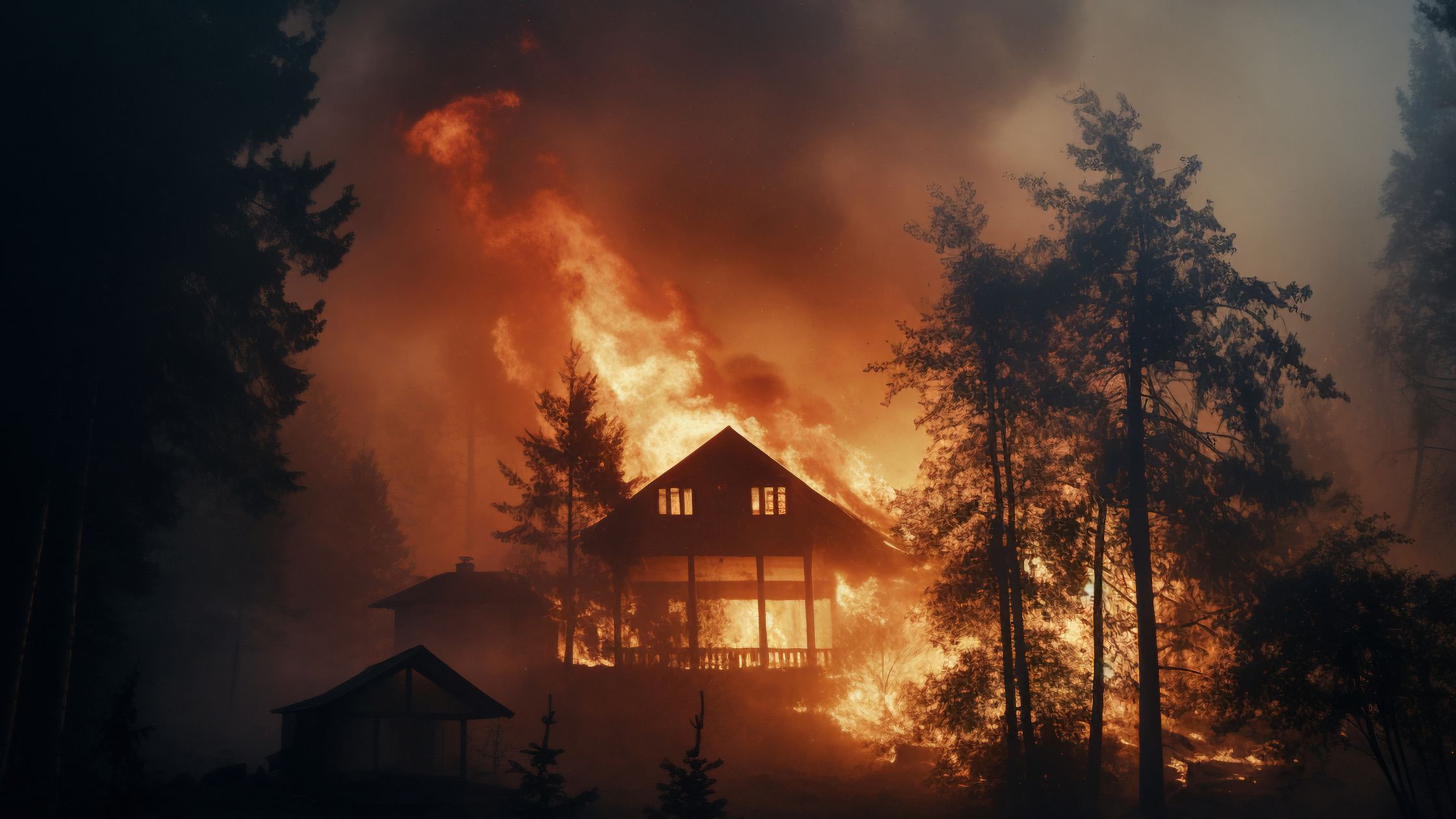

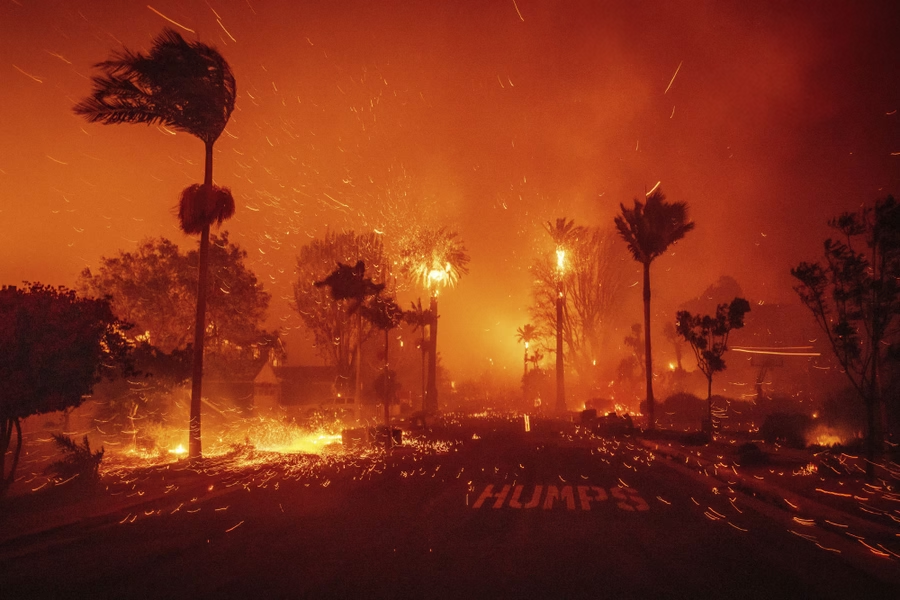
Frontline Wildfire Defense is a product based wildfire protection system designed to help homeowners defend their property during a wildfire event.
It is typically marketed as a system that uses water combined with additives to create a foam or enhanced spray, which is applied to the home and surrounding areas to reduce ignition risk.
These systems are often installed as a standalone solution and are designed to activate during wildfire conditions.
For many homeowners, this type of system represents an entry point into wildfire defense.
Why Homeowners Are Searching for Reviews
Search interest around frontline wildfire defense reviews has grown as more homeowners face insurance challenges and increased wildfire exposure.
People are asking:
- Does it actually work
- Is it enough to protect a home
- Will it help with insurance
- How does it compare to other options
These are important questions, especially as wildfire mitigation becomes more closely tied to insurability and property value.
How Product Based Systems Work
Product based wildfire systems are typically designed to distribute a water and foam mixture across the home and surrounding vegetation.
They generally include:
- A water source such as a tank or pool
- Pumps and distribution lines
- Roof and perimeter spray nozzles
- Automated or remote activation
The goal is to coat surfaces and reduce the likelihood of ignition while the system is actively running.
This approach can provide value in certain conditions, but it also has limitations that are important to understand.
How Local Contractors Approach Wildfire Protection
Local wildfire mitigation contractors typically take a broader, property level approach.
Instead of focusing on a single product, they evaluate the entire property and build a layered strategy.
This often includes:
- Zone 0 compliance
- Home hardening upgrades
- Defensible space improvements
- Fire retardant spray applications
- Wildfire defense system design and installation
This approach is designed to address how homes actually ignite, rather than relying on a single method of protection.
Key Differences Homeowners Should Understand
When comparing product based systems to local contractors, there are several important differences:
Scope
Product systems focus on a specific solution. Contractors evaluate the entire property.
Customization
Product systems are often standardized. Contractors tailor solutions to the property.
Integration
Product systems operate independently. Contractors integrate multiple mitigation strategies.
Ongoing Support
Product companies may offer limited local service. Contractors provide ongoing maintenance and adjustments.
Water Based Systems vs Retardant Based Protection
This is one of the most important distinctions.
Some wildfire defense systems use a combination of water and additives to create a foam or enhanced spray. This mixture is designed to improve how water adheres to surfaces compared to water alone.
However, these systems still rely heavily on water volume and continuous application to remain effective.
Key challenges include:
- High water demand to maintain coverage
- The need for continuous reapplication to stay effective
- Evaporation in high heat and wind conditions
- Dependence on water supply and pressure
- Competition with firefighting resources
This leads to a practical limitation. These systems are most effective while surfaces remain wet. In real wildfire scenarios, where events can last for days, maintaining that level of saturation can be difficult.
Retardant based systems approach the problem differently.
They:
- Use non-toxic chemical solutions
- Adhere to surfaces
- Continue working after drying
- Require less volume
- Provide longer lasting protection
This makes them more aligned with real wildfire conditions where embers, heat, and exposure persist over time.
Installation, Licensing, and Accountability
Another important consideration is who is installing and maintaining the system.
Local contractors typically operate under:
- State licensing requirements such as CSLB
- Local building codes and permitting
- Accountability tied to installation quality
This creates a higher level of oversight and responsibility.
Product based systems may not always involve the same level of local licensing or site specific evaluation. This can impact how well the system is integrated into the property.
Insurance and Underwriting Considerations
Insurance carriers are evolving quickly in how they evaluate wildfire risk.
They are increasingly focused on:
- Verified mitigation
- Property level improvements
- Survivability factors
While a system can be part of that conversation, insurers often look for a broader mitigation strategy.
This includes:
- Zone 0 compliance
- Home hardening
- Defensible space
- Documented improvements
Which Option Is Right for Your Property
There is no one size fits all answer.
The right approach depends on:
- Property location and wildfire exposure
- Size and layout
- Available water resources
- Insurance requirements
- Budget and long term goals
For many homeowners, the most effective path is not choosing between options, but combining them into a layered strategy.
Frequently Asked Questions
What is Frontline Wildfire Defense?
A system that uses water combined with additives to create a foam that helps protect homes during wildfire events.
Do these systems work?
They can help in certain conditions but depend heavily on water availability and continuous application.
Are water-based systems enough?
Often not on their own, especially during extended wildfire events.
What is the alternative?
Layered mitigation including retardant systems and home hardening.
Do local contractors offer better solutions?
They often provide more customized and comprehensive approaches.
What is Zone 0?
The five foot area around your home where ignition risk is highest.
Do these systems help with insurance?
They may help, but insurers typically evaluate overall mitigation.
Are retardant systems safe?
Yes, modern systems use non-toxic and environmentally safe formulations.
Should I rely on one system?
No, a layered approach is more effective.
What is the best wildfire protection strategy?
A combination of defensible space, home hardening, and active systems.
Next Steps
If you are evaluating wildfire protection systems, the next step is understanding how they fit into your overall risk profile.
A property specific assessment can help you:
- Compare different approaches
- Identify gaps in protection
- Build a strategy that improves both safety and insurability
Want to know where your home stands? Get Your Free Satellite Property Review — we will evaluate your property and help you choose the right combination of protection for your home and your goals.

Leave a Reply