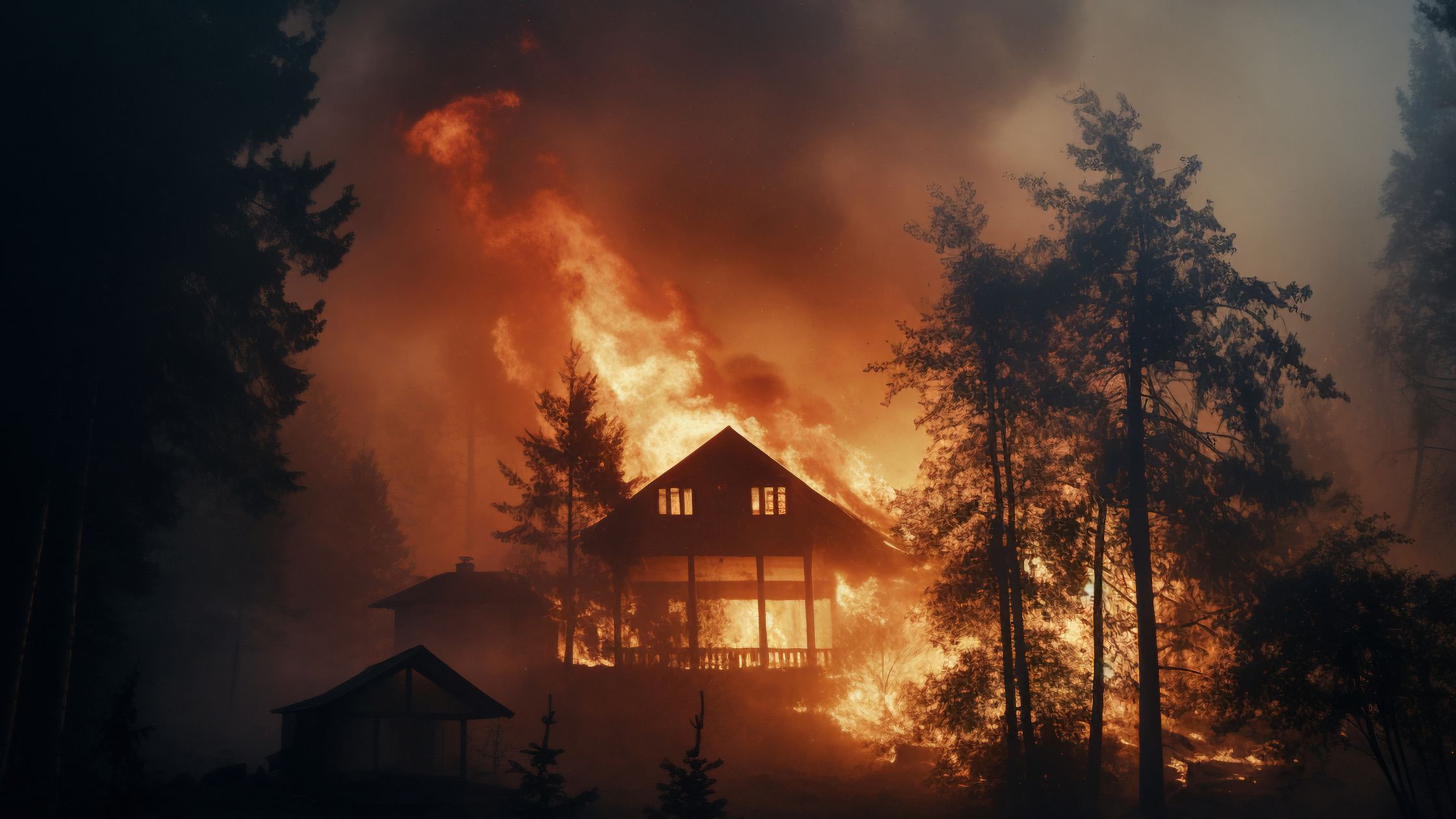


Wildfire protection upgrades can create enormous value, but many homeowners delay action because of cost.
That is understandable.
Projects like defensible space, home hardening, ember resistant retrofits, and wildfire defense systems require planning and investment.
The good news is that California wildfire mitigation programs, grants, rebates, and insurance incentives may help offset some of those costs.
For homeowners in higher fire zones, waiting can be expensive. Mitigation funding opportunities often change annually, have limited budgets, or close once funds are exhausted.
Editor’s note: Your insurance situation depends heavily on your property’s actual fire exposure. Our free risk assessment factors in official CAL FIRE data to show what your risk level actually is — useful context before talking to your carrier.
Are There California Wildfire Mitigation Programs?
Yes, although programs vary by year, county, utility district, insurer, and property type.
Available assistance often falls into five categories:
- State grant programs
- Local Fire Safe Council programs
- County rebate programs
- Insurance incentives or credits
- Tax related benefits tied to property improvements
Many homeowners miss opportunities simply because they never check what is available locally.
State Grants and Assistance Programs
California periodically supports wildfire mitigation through statewide or regional funding initiatives.
These programs may support:
- Defensible space clearing
- Vegetation management
- Home hardening upgrades
- Community wildfire preparedness
- Fuel reduction around neighborhoods
- Evacuation route improvements
Homeowners should monitor programs connected to:
- CAL FIRE
- Office of Emergency Services
- Local resource conservation districts
- Fire Safe Councils
Some grant programs are direct to homeowner. Others are neighborhood based. That means HOA communities and multifamily properties may also benefit.
County and Local Rebate Opportunities
Some counties and local districts offer wildfire related rebates or cost sharing programs.
Examples may include:
- Chipping programs for vegetation removal
- Defensible space reimbursements
- Curbside green waste events
- Home assessment subsidies
- Community brush clearance support
- Neighborhood mitigation grants
These opportunities are often highly localized. Checking city, county, and Fire Safe Council websites can uncover funding most residents never hear about.
Not sure which step to prioritize first? Our wildfire risk calculator shows your CAL FIRE zone and exposure level — so you know exactly where to start.
Insurance Discounts and Incentives
This is one of the fastest growing areas of financial benefit.
Insurance carriers increasingly recognize measurable wildfire mitigation.
Potential benefits may include:
- Better renewal outcomes
- Improved eligibility
- Reduced FAIR Plan dependence
- Stronger underwriting consideration
- Potential premium relief over time
Insurers may look favorably at:
- Zone 0 compliance
- Defensible space maintenance
- Ember proof vents installation
- Home hardening services
- Fire retardant spray for homes
- Home wildfire protection system upgrades
The market is changing quickly, so documentation matters.
Potential Tax Benefits to Explore
Tax treatment depends on ownership type and tax advisor guidance, but some wildfire mitigation expenses may have planning value.
Examples to discuss with a qualified CPA include:
- Rental property safety improvements
- Commercial property hardening upgrades
- HOA common area mitigation spending
- Business continuity related property improvements
- Capital improvement treatment for certain upgrades
For luxury homes, second homes, rental portfolios, and multifamily assets, this conversation can be especially valuable.
Always confirm current federal, state, and local tax rules with a licensed professional.
What Improvements Usually Qualify
Programs and incentives vary, but these are commonly supported or viewed positively:
Exterior Risk Reduction
- Defensible space services
- Tree trimming and fuel reduction
- Slope vegetation management
- Dumpster and storage area hardening
Structure Hardening
- Ember resistant retrofit projects
- Ember resistant vents installation
- Roof edge improvements
- Deck and fence ignition reduction
Protective Systems
- Fire retardant spray for homes
- Wildfire defense system installations
- Luxury home wildfire protection upgrades
Assessment and Planning
- Wildfire risk assessment
- Community mitigation planning
- Inspection readiness programs
How to Maximize Available Funding
Homeowners who move strategically often capture more value.
Best Practices
- Apply early before funds run out
- Keep photos of existing conditions
- Save all invoices and receipts
- Use licensed contractors when required
- Request written scopes of work
- Document before and after improvements
- Ask insurers how upgrades may affect underwriting
Smart Order of Operations
- Assessment first
- Zone 0 improvements
- Defensible space work
- Structural hardening
- Active wildfire defense systems
This sequence often delivers the strongest return.
Why Acting Now Matters
Many wildfire mitigation programs are seasonal or limited budget opportunities.
At the same time, insurance pressure continues to rise across California.
That creates urgency.
Homeowners who improve wildfire readiness now may gain:
- More coverage options
- Better renewal outcomes
- Lower long term ownership risk
- Stronger resale appeal
- Better property survivability
Waiting often means paying more later.
Curious about your property’s actual wildfire risk? Our free calculator shows your CAL FIRE zone, exposure level, and recommended next steps based on your address.
Get your free risk scoreFrequently Asked Questions
Are there California wildfire mitigation programs for homeowners?
Yes, depending on county, insurer, and annual funding availability.
Can I get help paying for defensible space?
Sometimes yes through local grants, rebates, or community programs.
Do insurers reward wildfire mitigation?
Increasingly yes.
What is the best first improvement?
Zone 0 and defensible space usually provide strong value.
Are there tax breaks for wildfire upgrades?
Possibly depending on ownership type and tax rules.
Can HOAs qualify for programs?
Many community based programs may apply.
Do rental properties qualify for benefits?
Some incentives or tax treatment may apply.
Is funding available every year?
Not always. Programs can change or close.
What documentation should I keep?
Photos, receipts, scopes of work, and inspection records.
What is the smartest first step?
Begin with a wildfire risk assessment and funding review.
Next Steps
If you are considering wildfire mitigation upgrades, do not assume you must fund everything alone.
There may be grants, rebates, underwriting advantages, or tax planning opportunities available right now depending on your property and location.
Start with a wildfire risk assessment, identify the highest value improvements, and then pursue any available California wildfire mitigation program opportunities before they expire.
Check your risk first: Get your free wildfire risk score
Want a professional assessment? Get Your Free Satellite Property Review — we will evaluate your property and help you identify available programs, prioritize improvements, and build a mitigation strategy that pays for itself over time.