
By Jim Sprouse, Co-founder of Ember Pro
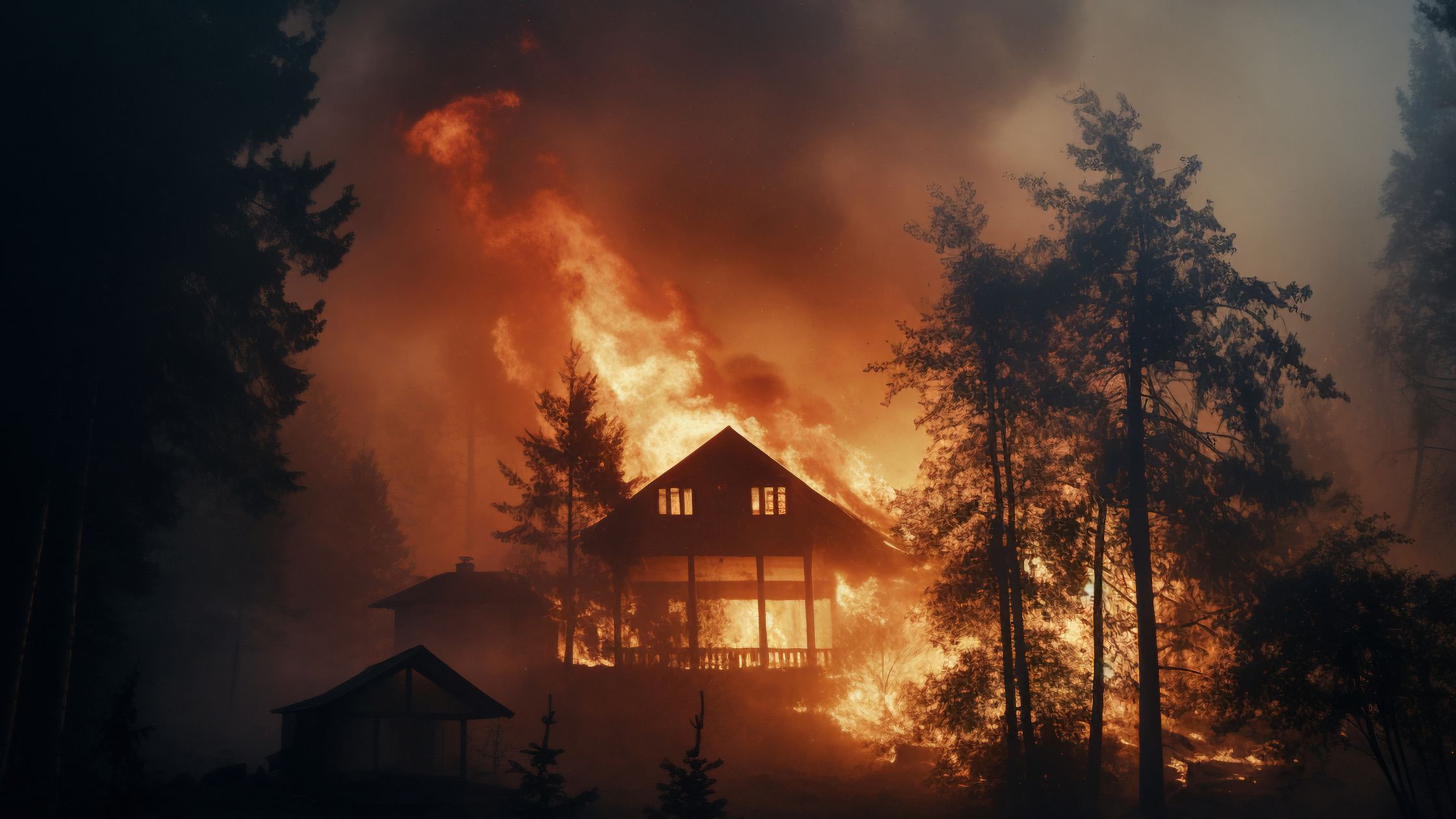
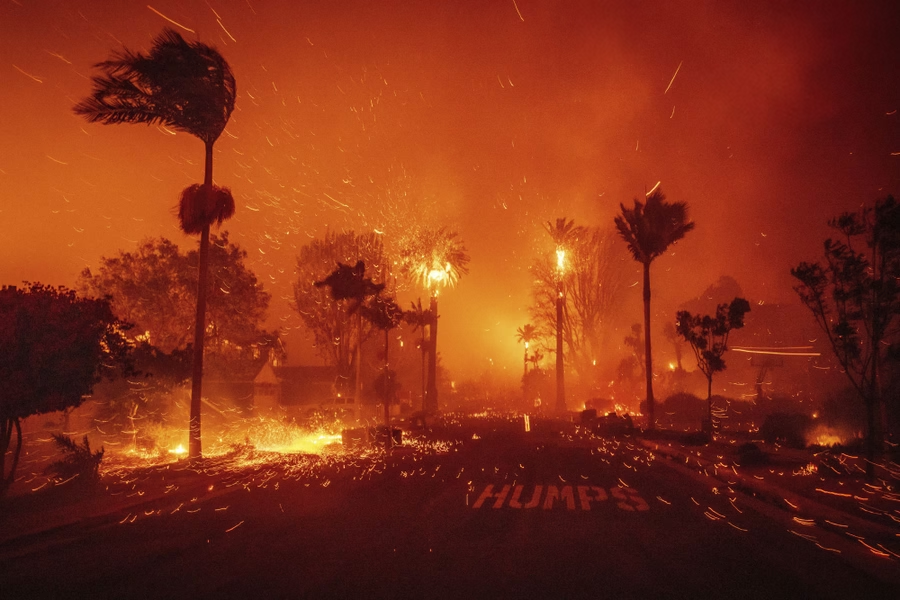
Every year, millions of Californians face a silent threat that follows wildfire season indoors: wildfire smoke. Even if flames never reach your property, smoke particles can travel hundreds of miles, infiltrating homes and degrading indoor air quality to hazardous levels. For families in fire-prone regions, finding the best air purifier for wildfire smoke in California is no longer a luxury—it is a health necessity.
Wildfire smoke contains a complex mixture of fine particulate matter (PM2.5), volatile organic compounds (VOCs), carbon monoxide, and dozens of other toxic chemicals produced by burning vegetation, structures, and synthetic materials. These particles are small enough to penetrate deep into the lungs and enter the bloodstream, causing respiratory distress, cardiovascular problems, and long-term health complications. Children, the elderly, pregnant women, and anyone with asthma or heart disease are especially vulnerable.
In this comprehensive guide, we will break down everything California homeowners need to know about choosing and using air purifiers during wildfire season—from understanding HEPA filtration and activated carbon technology to evaluating CADR scores, sizing units for your rooms, and deciding between portable and whole-house solutions.
Wondering if your property is in a high-risk fire zone? Check your wildfire risk score to see your CAL FIRE zone and exposure level based on your address.
Understanding Wildfire Smoke Particles
Before selecting an air purifier, it helps to understand what you are filtering. Wildfire smoke produces particles across a wide range of sizes, but the most dangerous are PM2.5 particles—fine particulate matter with a diameter of 2.5 micrometers or less. To put that in perspective, a human hair is roughly 70 micrometers in diameter; PM2.5 particles are about 30 times smaller.
These ultrafine particles bypass the body’s natural defenses. Your nose and throat can filter larger particles, but PM2.5 passes through and reaches the deepest parts of the lungs. During major California wildfires, outdoor PM2.5 concentrations can spike to 10 or even 20 times the EPA’s safe threshold. Without proper filtration, indoor levels quickly approach outdoor levels as smoke seeps through windows, doors, vents, and any gaps in the building envelope.
Wildfire smoke also carries volatile organic compounds (VOCs)—gaseous chemicals that standard particle filters cannot capture. These include formaldehyde, benzene, acrolein, and other irritants that cause eye burning, headaches, and respiratory inflammation. Addressing both particles and gases requires a two-stage filtration approach.
HEPA Filters: The Gold Standard for Particle Removal
The single most important feature in any air purifier for wildfire smoke is a True HEPA filter. HEPA stands for High Efficiency Particulate Air, and a True HEPA filter is certified to capture at least 99.97 percent of particles 0.3 micrometers in diameter—the hardest particle size to trap. Particles both larger and smaller than 0.3 micrometers are actually captured at even higher rates due to the physics of diffusion and interception.
This means a True HEPA filter is extremely effective against PM2.5 wildfire smoke particles. However, not all filters marketed as “HEPA” meet this standard. Terms like “HEPA-type,” “HEPA-style,” or “HEPA-like” often indicate filters that capture only 85 to 95 percent of particles—a meaningful difference when smoke concentrations are dangerously high. Always look for “True HEPA” or “H13 HEPA” certification when purchasing an air purifier for wildfire smoke protection.
HEPA filters do not address gaseous pollutants or odors. For that, you need activated carbon.
Activated Carbon Filters: Tackling VOCs and Smoke Odor
While HEPA filters capture particles, activated carbon filters adsorb gaseous pollutants and odors through a chemical process. Activated carbon is treated to create millions of tiny pores that trap gas molecules as air passes through. The more activated carbon a filter contains, the more gas-phase pollutants it can remove and the longer it lasts before needing replacement.
For wildfire smoke, activated carbon filtration is essential for removing the VOCs, aldehydes, and other gaseous irritants that HEPA alone cannot address. The best air purifiers for wildfire smoke combine a True HEPA filter with a substantial activated carbon filter—ideally containing several pounds of granular activated carbon rather than a thin carbon-coated sheet.
Thin carbon pre-filters, which are common in budget air purifiers, provide minimal gas-phase filtration and saturate quickly during heavy smoke events. If wildfire smoke protection is your primary concern, prioritize models with thick, replaceable activated carbon filter beds.
Not sure which step to prioritize first? Our wildfire risk calculator shows your CAL FIRE zone and exposure level — so you know exactly where to start.
CADR Ratings: Sizing Your Air Purifier Correctly
The Clean Air Delivery Rate (CADR) is the most important performance metric for comparing air purifiers. Measured in cubic feet per minute (CFM), CADR tells you how much filtered air the purifier delivers for three types of pollutants: smoke, dust, and pollen. For wildfire protection, focus on the smoke CADR rating.
To properly size an air purifier for a room, follow this rule of thumb: the smoke CADR should be at least two-thirds of the room’s square footage. For example, a 300-square-foot bedroom needs an air purifier with a smoke CADR of at least 200 CFM. During heavy smoke events, you may want a unit with a CADR that matches or exceeds the room’s square footage for faster air turnover.
Here are general CADR guidelines for California homes during fire season:
- Small bedroom (150 sq ft): Smoke CADR of 100+ CFM
- Master bedroom (250 sq ft): Smoke CADR of 170+ CFM
- Living room (400 sq ft): Smoke CADR of 270+ CFM
- Open-plan living area (600+ sq ft): Smoke CADR of 400+ CFM, or use multiple units
Running the purifier on high speed during smoke events is critical. Many CADR ratings are measured at the highest fan speed, so operating on low or auto mode during poor air quality defeats the purpose.
Top Air Purifier Recommendations for California Homes
Based on filtration technology, CADR performance, activated carbon capacity, and real-world performance during California wildfire seasons, here are the categories of air purifiers that perform best:
High-Performance Portable Units
Look for portable air purifiers that combine True HEPA (H13) filtration with substantial activated carbon beds. Units with smoke CADR ratings above 250 CFM and carbon filters weighing at least two pounds provide meaningful protection for average-sized rooms. Models from established brands with independently verified CADR ratings give you confidence in real performance versus marketing claims. Expect to pay $200 to $600 for a high-quality portable unit suitable for wildfire smoke.
Large-Room and Multi-Room Units
For larger living spaces or open floor plans, consider units with smoke CADR ratings above 400 CFM. These larger purifiers can handle rooms up to 800 square feet and are ideal for great rooms, combined kitchen-living areas, or placing in a central hallway to serve multiple rooms. Prices typically range from $400 to $900 for models with both HEPA and substantial carbon filtration.
Budget-Friendly Options
If budget is a constraint, even a basic True HEPA purifier is far better than nothing during a smoke event. Prioritize the HEPA filter quality over extra features. Skip units that rely on ionizers or ozone generators as their primary technology—these produce ozone, which is itself a respiratory irritant and is regulated by California’s Air Resources Board.
Editor’s note: Your insurance situation depends heavily on your property’s actual fire exposure. Our free risk assessment factors in official CAL FIRE data to show what your risk level actually is — useful context before talking to your carrier.
Whole-House Air Purification vs. Portable Units
California homeowners face a key decision: invest in individual portable air purifiers for each room, or install a whole-house air purification system integrated with the HVAC system.
Portable Air Purifiers
Portable units offer flexibility, lower upfront cost, and no installation requirements. You can move them between rooms as needed and run them only during smoke events. However, they only clean the air in the room where they are placed, and you may need three to five units to cover a typical California home—at which point the total cost approaches that of a whole-house system.
Whole-House HVAC Filtration
A whole-house approach typically involves upgrading your HVAC system’s air filter to a high-MERV rated filter and potentially adding an in-duct HEPA or activated carbon filtration module. This approach filters all the air circulating through your home’s ductwork, providing consistent protection in every room.
The key consideration is your HVAC system’s MERV filter rating. MERV (Minimum Efficiency Reporting Value) rates a filter’s ability to capture particles on a scale of 1 to 20. For wildfire smoke protection, you want a MERV 13 filter at minimum—this captures approximately 85 percent of PM2.5 particles. MERV 16 filters capture 95 percent or more of PM2.5. However, higher-MERV filters restrict airflow more, and not every HVAC system can handle the pressure drop. Consult your HVAC technician before upgrading to ensure your system’s blower can maintain adequate airflow with a higher-rated filter.
For maximum whole-house protection, consider adding a dedicated in-duct HEPA filtration unit with an activated carbon stage. These systems are installed in the ductwork and filter all circulated air to True HEPA standards without the airflow restrictions of a high-MERV furnace filter.
When to Run Your Air Purifier During Fire Season
Timing matters. Here is a practical guide for California homeowners:
- Before smoke arrives: Close all windows and doors. Seal any obvious gaps around windows, doors, and vents. Turn on your air purifier to pre-clean indoor air.
- During active smoke events: Run purifiers on the highest speed setting continuously. Keep windows and doors closed. Use exhaust fans minimally, as they pull smoky outdoor air inside. Check your local Air Quality Index (AQI) using AirNow.gov or the PurpleAir network for real-time readings.
- AQI above 100 (Unhealthy for Sensitive Groups): Run purifiers in bedrooms and main living areas. Limit outdoor activity.
- AQI above 150 (Unhealthy): Run purifiers in all occupied rooms on high. Avoid outdoor exertion. Consider wearing an N95 mask if you must go outside.
- AQI above 200 (Very Unhealthy): Maximum filtration. Run all available purifiers. Create a “clean room” with the best-sealed, best-filtered room in the house for sleeping and spending extended time.
- After smoke clears: Continue running purifiers for 24 to 48 hours to clear residual indoor particles. Then ventilate by opening windows once outdoor AQI returns below 50.
Protecting Indoor Air Quality as Part of Home Hardening
Indoor air quality during wildfire season is directly connected to your home’s overall wildfire preparedness. A well-hardened home—with sealed ember-resistant vents, tight-fitting windows, weatherstripped doors, and properly maintained HVAC systems—naturally resists smoke infiltration better than a leaky structure.
When you invest in defensible space and structural hardening, you are also improving your home’s ability to keep smoke out. Every gap sealed against ember intrusion is also a gap sealed against smoke. California building code compliance for wildfire zones increasingly recognizes the overlap between fire protection and air quality, and homeowners who pursue Zone 0 standards often find that their homes maintain better indoor air quality during smoke events.
This connection extends to insurance considerations as well. Insurers evaluating wildfire risk look at the overall resilience of a property. A home with comprehensive hardening, proper defensible space, and documented air quality measures demonstrates a proactive approach to risk reduction.
Health Protection: Who Needs Air Purifiers Most
While everyone benefits from cleaner air during wildfire smoke events, certain populations face significantly higher health risks and should prioritize air purification:
- Children under 14: Their lungs are still developing, and they breathe more air relative to body weight than adults
- Adults over 65: Age-related decline in lung function and increased cardiovascular risk
- Pregnant women: Wildfire smoke exposure has been linked to adverse birth outcomes including low birth weight and preterm delivery
- People with asthma or COPD: Smoke particles trigger bronchospasm and exacerbations
- People with heart disease: PM2.5 exposure increases the risk of heart attack and stroke
- Outdoor workers: Anyone who must work outdoors during smoke events needs the cleanest possible indoor air during recovery hours
For these vulnerable populations, investing in a high-quality air purifier is one of the most impactful health protection measures available. The cost of a good purifier is negligible compared to emergency room visits, medication increases, or lost work days caused by smoke-related health problems.
Maintenance and Filter Replacement
An air purifier is only as effective as its filters. During heavy wildfire smoke events, filters degrade much faster than during normal use. Here are maintenance guidelines:
- Pre-filters: Check and clean or replace monthly during fire season. These capture large particles and extend the life of the HEPA filter.
- HEPA filters: Replace according to manufacturer guidelines, but check more frequently during extended smoke events. A visibly darkened HEPA filter is losing efficiency. Most HEPA filters last 6 to 12 months under normal use but may need replacement after a single severe smoke season.
- Activated carbon filters: These saturate faster than HEPA filters during smoke events. If you notice smoke odor returning even with the purifier running, the carbon is likely exhausted and needs replacement.
- Keep spare filters on hand: During major wildfires, replacement filters sell out quickly. Purchase backup filters before fire season begins—typically late spring in California.
Frequently Asked Questions
What is the best type of air purifier for wildfire smoke?
The best air purifier for wildfire smoke combines a True HEPA (H13) filter for particle removal with a substantial activated carbon filter for VOCs and odors. Look for high smoke CADR ratings and avoid units that rely primarily on ionizers or ozone generators.
Can my HVAC system filter wildfire smoke?
Yes, if you upgrade to a MERV 13 or higher filter. However, check with your HVAC technician first—high-MERV filters restrict airflow, and your system’s blower must be able to handle the increased pressure drop. For best results, consider an in-duct HEPA filtration system.
How many air purifiers do I need for my home?
At minimum, place one air purifier in each bedroom and one in the main living area. For a typical 3-bedroom California home, plan for 3 to 5 units. Alternatively, invest in a whole-house HVAC filtration upgrade to cover every room.
What CADR rating do I need for wildfire smoke?
Your air purifier’s smoke CADR should be at least two-thirds of the room’s square footage. For a 300-square-foot room, you need a smoke CADR of at least 200 CFM. During severe smoke events, higher CADR provides faster air cleaning.
Should I run my air purifier all day during fire season?
Yes, when AQI is above 100, run your air purifier continuously on the highest tolerable speed setting. Running on low or auto mode during heavy smoke events does not provide adequate filtration. Turn it on before smoke arrives to pre-clean indoor air.
Do air purifiers remove the smell of wildfire smoke?
Only if they include an activated carbon filter. HEPA filters remove smoke particles but not gaseous odors and VOCs. A thick activated carbon filter with several pounds of granular carbon is most effective at removing smoke smell.
Are ionizers or ozone generators safe for wildfire smoke?
No. Ionizers produce minimal filtration compared to HEPA, and ozone generators create ozone—a lung irritant regulated by California’s Air Resources Board. Stick with mechanical filtration (HEPA plus activated carbon) for wildfire smoke.
How does home hardening help with wildfire smoke indoors?
Home hardening measures like sealing vents, weatherstripping doors, and closing gaps reduce smoke infiltration. A well-sealed home keeps more smoke out, reducing the workload on your air purifier and maintaining better indoor air quality during fire season.
What MERV rating do I need for my HVAC filter?
MERV 13 is the minimum recommended for wildfire smoke—it captures approximately 85 percent of PM2.5 particles. MERV 16 captures 95 percent or more. Ensure your HVAC system can handle the airflow restriction before upgrading.
Take Action Before Fire Season
The best time to prepare for wildfire smoke is before it arrives. Purchase your air purifiers and stock up on replacement filters in spring, well before California’s fire season typically begins in late summer and fall. Test your units, learn how to check AQI readings, and identify which room in your home will serve as your “clean room” during severe smoke events.
At Ember Pro, we help California homeowners build comprehensive wildfire resilience—from defensible space and structural hardening to indoor air quality planning. Protecting your family from wildfire means addressing threats both outside and inside your home. If you need help evaluating your home’s smoke infiltration vulnerabilities or planning a complete wildfire defense strategy, contact Ember Pro for a consultation.
Curious about your property’s actual wildfire risk? Our free calculator shows your CAL FIRE zone, exposure level, and recommended next steps based on your address.
Get your free risk scoreReferences
- U.S. Environmental Protection Agency (EPA) — Wildfire Smoke: A Guide for Public Health Officials
- California Air Resources Board (CARB) — Indoor Air Cleaning Devices and Wildfire Smoke
- Association of Home Appliance Manufacturers (AHAM) — CADR Rating Standards and Testing Protocols
- American Society of Heating, Refrigerating and Air-Conditioning Engineers (ASHRAE) — MERV Filter Rating System
- National Institute of Environmental Health Sciences (NIEHS) — Health Effects of Wildfire Smoke Exposure
- PurpleAir — Real-Time Air Quality Monitoring Network for California
- California Department of Public Health — Protecting Yourself from Wildfire Smoke
- Insurance Institute for Business & Home Safety (IBHS) — Home Hardening and Smoke Infiltration Research