
By Jim Sprouse, Co-founder of Ember Pro | NFPA Certified Wildfire Mitigation Specialist
Reading time: 12 minutes
Last reviewed by: Ryan Kresan, COO of Ember Pro
Curious about your property’s actual wildfire risk? Our free calculator shows your CAL FIRE zone, exposure level, and recommended next steps based on your address.
Get your free risk scoreA Troubling Discovery After the Palisades and Eaton Fires
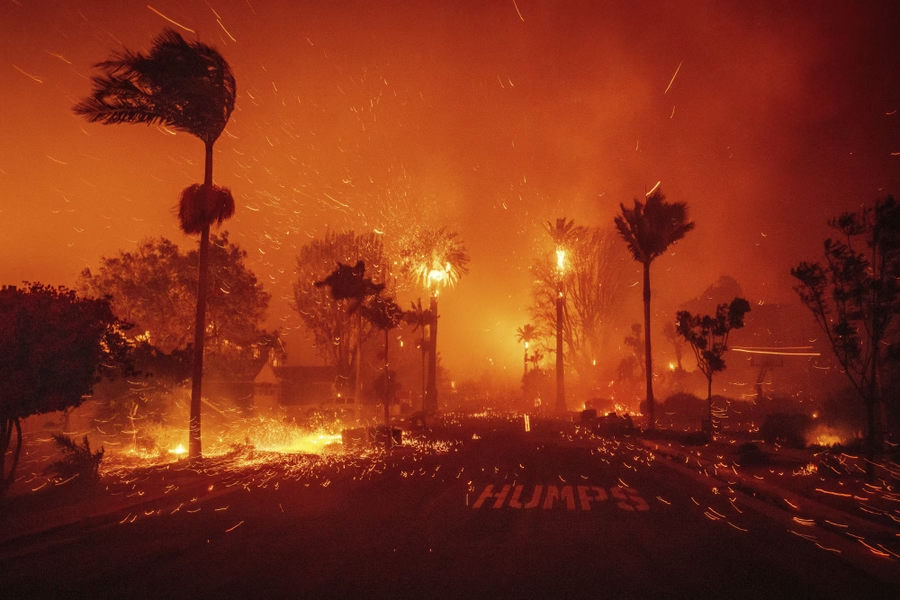
When the Palisades and Eaton Fires swept through Los Angeles County, the immediate devastation was visible to everyone: homes destroyed, neighborhoods leveled, and families displaced. But researchers from UC Davis and UCLA have uncovered something far less visible and potentially even more alarming. Elevated levels of chromium-6, also known as hexavalent chromium, have been detected in areas surrounding wildfire cleanup zones, raising serious concerns about long-term public health impacts that extend well beyond the burn perimeter.
Chromium-6 is a known carcinogen. It is the same substance that gained national attention through the Erin Brockovich case, when contaminated groundwater in Hinkley, California, was linked to illness in hundreds of residents. Now, researchers have found evidence that chromium-6 particles may have traveled six to nine miles beyond the actual burn zones, potentially exposing millions of people in Los Angeles County to airborne carcinogens they did not know were there.
This discovery is not just about one fire or one chemical. It is a warning that the consequences of wildfire extend far beyond the flames, and that prevention, not just response, must be the priority for every California community.
Editor’s note: Your insurance situation depends heavily on your property’s actual fire exposure. Our free risk assessment factors in official CAL FIRE data to show what your risk level actually is — useful context before talking to your carrier.
What Is Chromium-6 and Why Are Researchers Concerned?
Chromium is a naturally occurring element found in soil, rocks, and volcanic emissions. In its most common form, trivalent chromium (chromium-3), it is relatively benign and even essential in trace amounts for human metabolism. Hexavalent chromium, or chromium-6, is a different matter entirely.
Chromium-6 is classified as a Group 1 carcinogen by the International Agency for Research on Cancer. Exposure has been linked to a range of serious health effects including:
- Respiratory irritation and inflammation of the nasal passages and airways
- Asthma and worsening of existing respiratory conditions
- Chronic bronchitis from repeated or prolonged exposure
- Lung damage including fibrosis and reduced lung function
- Increased cancer risk, particularly lung cancer from inhalation exposure
What makes the findings from the Palisades and Eaton Fires especially concerning is that chromium-6 particles can be extremely small, small enough to become nanoparticles that remain airborne and travel significant distances from their source. Most people think wildfire smoke is primarily composed of burned trees and brush. The reality is far more complex, especially when fires burn through developed communities.
How Far Did the Contamination Spread?
One of the most significant findings from the UC Davis and UCLA research is that chromium-6 contamination was detected well beyond the immediate burn areas. Researchers estimated that airborne chromium-6 particles traveled six to nine miles downwind from the fire zones. In a metropolitan area as densely populated as Los Angeles County, that radius covers an enormous number of communities.
According to the research, as many as 3.3 million people could have experienced some level of exposure to these carcinogenic particles during and after the Palisades and Eaton Fires. Many of those individuals lived nowhere near the flames and may not have realized they were at risk.
This raises critical questions that every California homeowner and community should be asking:
- How far can contaminants from a wildfire actually travel?
- What happens when entire neighborhoods burn, not just vegetation?
- How should communities prepare when the health impacts extend miles beyond the fire itself?
Wondering if your property is in a high-risk fire zone? Check your wildfire risk score to see your CAL FIRE zone and exposure level based on your address.
Why Modern Wildfires Are Different
For most of recorded history, wildfires primarily burned vegetation: grasslands, forests, chaparral, and brush. The smoke from those fires, while certainly unhealthy, was composed largely of natural combustion byproducts. Today’s wildfires are fundamentally different because they increasingly burn through developed communities.
When a modern wildfire reaches a residential neighborhood, it does not just burn trees. It burns entire communities, including:
- Homes with synthetic insulation, treated lumber, and composite materials
- Vehicles containing plastics, rubber, fluids, and batteries
- Solar equipment with photovoltaic cells and electronic components
- Batteries including lithium-ion cells from electric vehicles, power tools, and home energy storage
- Electronics containing heavy metals, flame retardants, and circuit boards
- Plastics from siding, fencing, furniture, and household goods
- Appliances with refrigerants, metals, and synthetic components
- Roofing materials including asphalt shingles and tar-based products
- Furniture made with foam, fabric treatments, and adhesives
- Building products containing paint, sealants, and treated wood
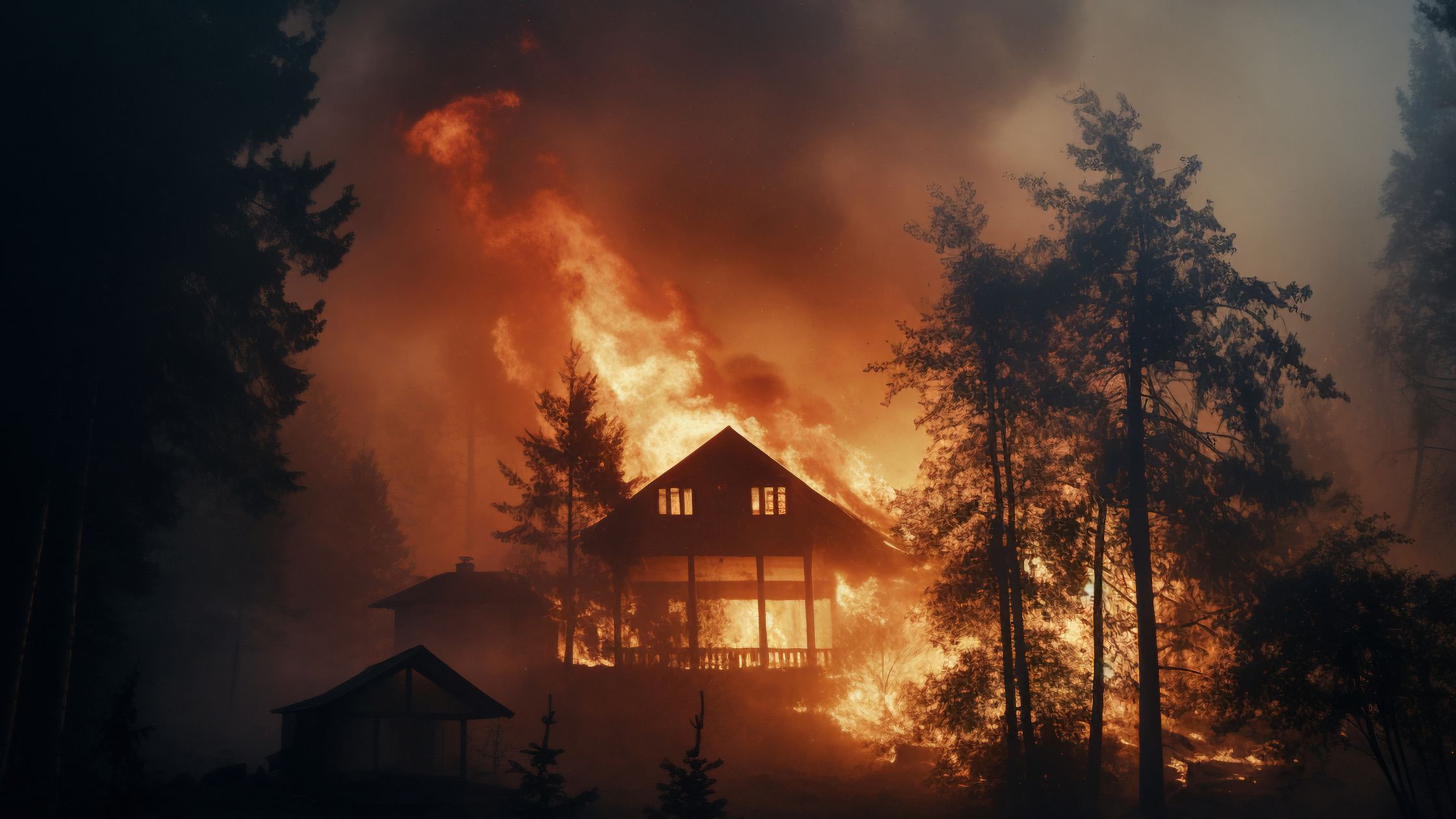
These are not vegetation fires. They are urban wildfire events. And they are becoming more common in the wildland-urban interface, or WUI, where communities and wildlands exist side by side. The smoke and debris from these events contain a chemical profile that is far more dangerous than anything produced by a traditional wildfire.
The Hidden Cost of Structure Loss
When we talk about the cost of wildfire, the conversation usually focuses on the most visible impacts: homes destroyed, insurance claims filed, families evacuated, and the enormous expense of rebuilding. Those costs are real and devastating. But the chromium-6 findings point to a hidden cost that rarely makes the headlines.
When structures burn, they do not simply disappear. They become sources of debris, contaminants, and environmental hazards that can affect communities for months or years after the flames are gone. The hidden costs include:
- Air pollution from burning synthetic materials that spreads carcinogens across wide areas
- Cleanup challenges requiring specialized hazardous material handling and disposal
- Hazardous waste from burned electronics, batteries, chemicals, and building materials
- Public health concerns including respiratory illness, cancer risk, and long-term medical costs
The goal is not just to save homes for the sake of property values, although that matters. The goal is to reduce the number of structures that burn because every home that survives a wildfire is one fewer source of toxic debris, one fewer contributor to contaminated air, and one fewer hazard for first responders and cleanup crews. Every home that survives matters, not just to its owner, but to the entire community.
What This Means for California Homeowners
The chromium-6 findings make one thing clear: wildfire preparedness is about far more than property protection. When you take steps to protect your home from wildfire, you are also protecting your family, your neighbors, first responders, your community, and the surrounding environment from the downstream consequences of structure fire.
There are proven, actionable steps every California homeowner can take to reduce wildfire risk and contribute to community-wide resilience:
- Zone 0 compliance: Maintain a noncombustible zone within the first five feet of your home, removing all flammable materials from the immediate perimeter
- Defensible space: Create and maintain the recommended 100 feet of managed vegetation clearance around your property
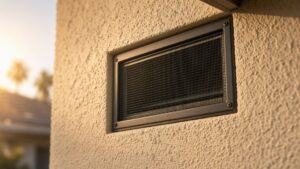
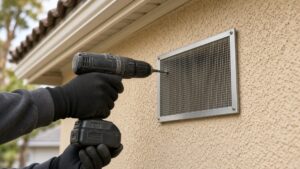
- Ember-proof vents: Install vents designed to prevent ember intrusion into attics, crawl spaces, and eaves
- Home hardening: Upgrade vulnerable components of your home including roofing, siding, windows, decks, and fencing to fire-resistant materials
- Ember-resistant retrofit: Retrofit older homes with modern fire-resistant materials and ember-blocking features
- Fire retardant spray: Apply professional-grade fire retardant treatments to vegetation and combustible surfaces within your defensible space
- Wildfire risk assessment: Have a professional evaluate your property for vulnerabilities and develop a prioritized mitigation plan
Wildfire defense systems that combine multiple layers of protection give homeowners the best chance of preventing structure ignition during a wildfire event.
The Role of Home Hardening and Wildfire Mitigation
Preventing structure ignition is the single most effective way to reduce the cascading impacts of wildfire, including the release of toxic contaminants like chromium-6. Home hardening focuses on making every component of your home more resistant to ember attack, radiant heat, and direct flame contact.
Common home hardening upgrades include:
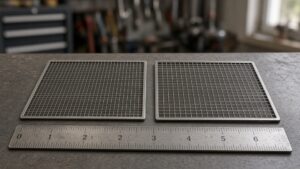
- Ember-resistant vents: Replacing standard attic and crawl space vents with fine-mesh, ember-blocking alternatives that prevent embers from entering and igniting interior spaces
- Class A roofing: Installing Class A fire-rated roofing materials such as concrete tile, clay tile, or metal that resist ignition from airborne embers
- Deck hardening: Replacing combustible deck boards and railings with noncombustible or ignition-resistant materials, and clearing debris from beneath decks
- Noncombustible Zone 0: Ensuring the first five feet around your home contains no flammable vegetation, mulch, or stored materials
- Siding improvements: Upgrading to fiber cement, stucco, or other noncombustible siding materials that resist ignition
- Fire retardant spray: Applying professional fire retardant treatments to remaining combustible surfaces and vegetation near the home
The most effective wildfire protection strategies use layered defense. Defensible space reduces the fuel available to a fire. Home hardening reduces the likelihood of ignition. Wildfire defense systems provide an additional active layer of protection during a fire event. Together, these measures dramatically reduce the chance that a home will ignite and contribute to the kind of widespread contamination documented by the UC Davis and UCLA researchers.
Not sure which step to prioritize first? Our wildfire risk calculator shows your CAL FIRE zone and exposure level — so you know exactly where to start.
Why Insurance Companies Are Paying Attention
The findings about chromium-6 contamination reinforce what insurance companies have been recognizing for years: the cost of wildfire extends far beyond the structures that burn. Insurers are increasingly evaluating properties not just on location, but on how well they are prepared to survive a wildfire event.
Factors that insurers evaluate include:
- Defensible space: Whether the required vegetation management zones are properly maintained
- Home hardening: Whether the home has been upgraded with fire-resistant materials and construction
- Property maintenance: Whether combustible materials are stored away from structures and whether the property is well maintained
- Zone 0 compliance: Whether the noncombustible zone around the home meets current California standards
- Wildfire mitigation services: Whether professional wildfire mitigation has been performed, documented, and maintained
- Inspection services: Whether the property has been inspected by qualified wildfire mitigation professionals
Proactive wildfire mitigation improves insurability. Homeowners who invest in defensible space, home hardening, and wildfire defense systems are demonstrating to insurers that their property represents a lower risk. In a market where many California homeowners are facing nonrenewal notices and rising premiums, documented mitigation can make the difference between maintaining coverage and losing it.
Community Immunity and the Future of Wildfire Protection
The chromium-6 research underscores a reality that wildfire professionals have long understood: wildfire impacts do not stop at property lines. A single structure loss affects neighbors, surrounding communities, insurers, public agencies, first responders, and public health for miles around.
When one home burns, embers can carry to neighboring properties. Toxic smoke spreads across the region. Cleanup costs burden public agencies. Insurance pools absorb losses that drive up premiums for everyone. Health impacts from airborne contaminants can affect millions of people who were never directly threatened by the fire itself.
The concept of community immunity works in reverse as well. When enough homeowners in a community invest in wildfire mitigation, the entire community becomes more resilient. Fewer ignitions mean fewer sources of toxic smoke. Fewer structure fires mean less contamination. Fewer losses mean more stable insurance markets and lower costs for everyone.
The best wildfire prevention is reducing the number of structures that ignite. Every homeowner who takes action contributes to the safety and health of their entire community.
Frequently Asked Questions
1. What did the Palisades and Eaton Fire study find?
Researchers from UC Davis and UCLA detected elevated levels of chromium-6, a known carcinogen, in areas surrounding the Palisades and Eaton Fire cleanup zones. The contamination was found to have spread six to nine miles beyond the burn areas, potentially exposing as many as 3.3 million people in Los Angeles County.
2. What is chromium-6?
Chromium-6, also known as hexavalent chromium, is a toxic form of the element chromium that is classified as a Group 1 carcinogen. It is linked to respiratory irritation, asthma, chronic bronchitis, lung damage, and increased cancer risk, particularly lung cancer from inhalation exposure.
3. Why is this study important?
The study demonstrates that the health impacts of wildfire extend far beyond the immediate burn zone. Carcinogenic particles can travel miles from the fire, affecting communities that may not have been directly threatened by flames. This underscores the importance of wildfire prevention and structure protection as public health measures.
4. What causes these contaminants during wildfires?
When wildfires burn through developed communities, they do not just burn vegetation. They burn homes, vehicles, electronics, batteries, plastics, appliances, and building materials. The combustion of these synthetic and industrial materials releases toxic compounds including heavy metals, carcinogens, and hazardous particles that are far more dangerous than smoke from burning trees and brush.
5. Can homeowners reduce wildfire risk?
Yes. Homeowners can take significant steps to reduce wildfire risk through defensible space maintenance, home hardening, Zone 0 compliance, ember-resistant vent installation, fire retardant treatments, and professional wildfire risk assessments. Every home that is protected from ignition reduces the community-wide impact of wildfire.
6. What is Zone 0?
Zone 0 is the noncombustible zone within the first five feet of a home. California regulations require that this area be free of flammable vegetation, mulch, and stored materials. Maintaining Zone 0 is one of the most effective ways to prevent ember ignition of a structure.
7. Do wildfire defense systems help?
Yes. Wildfire defense systems provide an active layer of protection that complements defensible space and home hardening. These systems can apply fire retardant to vulnerable surfaces before and during a wildfire event, reducing the likelihood of structure ignition.
8. Does mitigation affect insurance?
Yes. Insurance companies increasingly evaluate wildfire mitigation efforts when making coverage and pricing decisions. Homeowners who maintain defensible space, invest in home hardening, and document professional mitigation work are more likely to maintain coverage and may qualify for better rates.
9. What is an ember-resistant home retrofit?
An ember-resistant retrofit involves upgrading an existing home with materials and features designed to resist ember intrusion and ignition. This includes replacing vents with ember-resistant models, upgrading roofing and siding, sealing gaps and openings, replacing combustible decking, and ensuring all exterior components meet current fire-resistance standards.
10. What is the best first step?
The best first step is a professional wildfire risk assessment. An assessment identifies the specific vulnerabilities of your property and provides a prioritized plan for mitigation. From there, homeowners can address the highest-risk items first, including Zone 0 compliance, defensible space, and critical home hardening upgrades.
Next Steps
The UC Davis and UCLA chromium-6 study is a powerful reminder that the impacts of wildfire continue long after the flames are gone. Carcinogenic contaminants traveling miles from the fire, millions of people potentially exposed, and cleanup challenges that last months or years: these are the consequences that make wildfire prevention not just a property issue, but a public health imperative.
Every home that survives a wildfire reduces debris, contamination, cleanup costs, insurance losses, and community disruption. Prevention is not just about saving your home. It is about protecting your community from consequences that can last for years.
Start by evaluating your wildfire risk. Use the Ember Pro Wildfire Risk Tool to understand your property’s exposure and get personalized recommendations. Then take the next steps: evaluate your property for Zone 0 compliance, defensible space, home hardening, and wildfire defense.
Protect. Defend. Preserve.
References
- UC Davis and UCLA – Hexavalent Chromium (Chromium-6) Detection Study: Palisades and Eaton Fires, Los Angeles County
- CAL FIRE – Home Hardening Guidelines for Wildfire-Prone Areas
- California Building Code Chapter 7A – Materials and Construction Methods for Exterior Wildfire Exposure
- National Fire Protection Association (NFPA) – Wildland Fire Standards and Community Preparedness
- Ember Pro – Wildfire Risk Assessment Tool and Mitigation Resources
Related Articles
- Complete Guide to Defensible Space in California
- Wildfire Defense Systems for California Homes
- Home Hardening Strategies for Wildfire Protection
- Wildfire Insurance: What California Homeowners Need to Know
- California Wildfire Laws 2026: What Changed
Ember Pro helps California homeowners protect their homes and families from wildfire through professional defense systems, defensible space management, and comprehensive mitigation planning. Contact us today for a wildfire risk assessment.