
By Jim Sprouse, Co-founder of Ember Pro | NFPA Certified Wildfire Mitigation Specialist
Curious about your property’s actual wildfire risk? Our free calculator shows your CAL FIRE zone, exposure level, and recommended next steps based on your address.
Get your free risk scoreWhere Rebuilding Stands Today
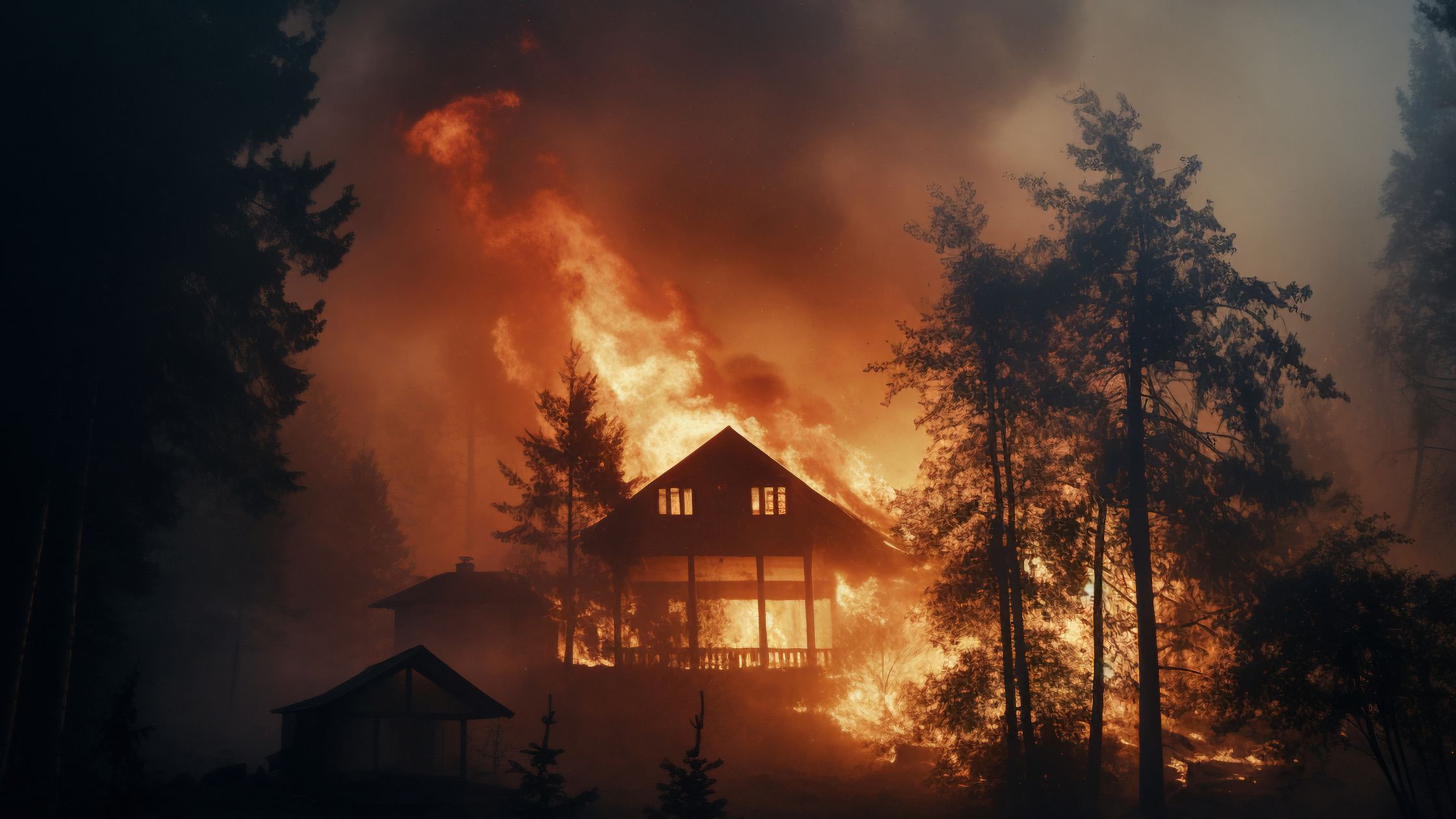
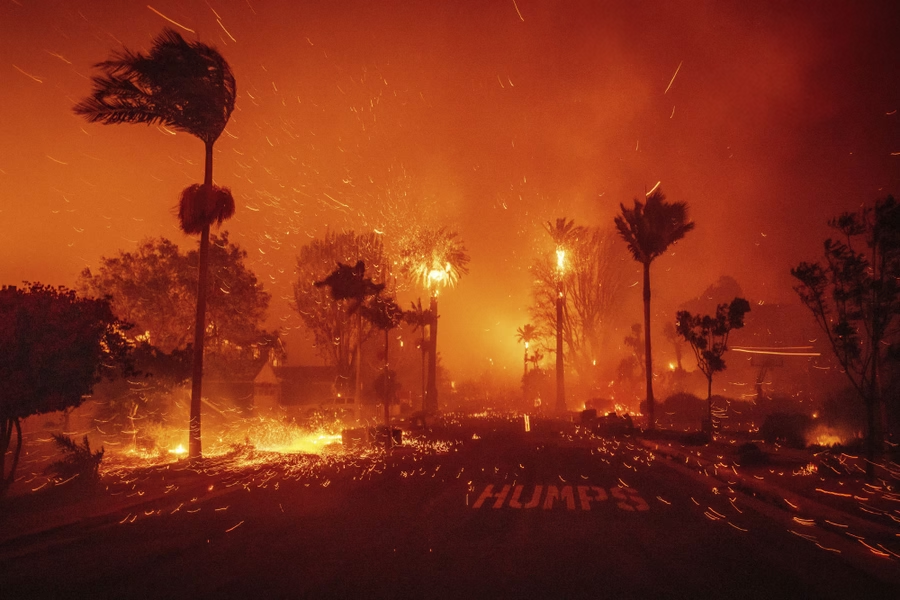
The Pacific Palisades fire was among the most destructive in California history. Thousands of homes were damaged or destroyed, entire neighborhoods were leveled, and families across one of Los Angeles County’s most recognizable communities were displaced overnight. What followed has become the largest wildfire recovery effort the state has ever undertaken.
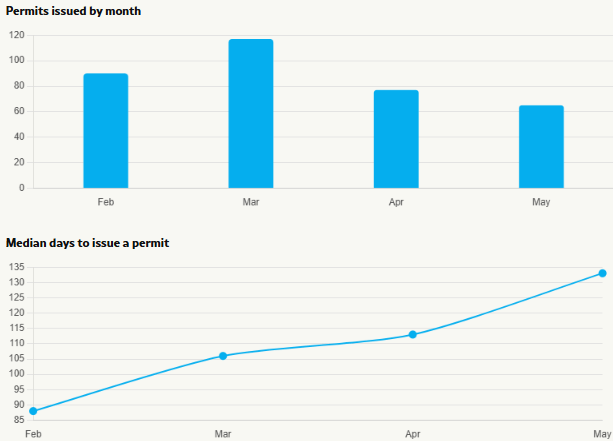
Today, hundreds of property owners are actively navigating the rebuild process. The Pacific Palisades rebuild dashboard now tracks permit activity, rebuild applications, and recovery milestones across the affected area. Every week brings new data on how quickly the community is moving from debris removal to reconstruction.
But the central question is no longer just how fast Pacific Palisades can rebuild. It is how the community can rebuild in a way that meaningfully reduces future wildfire risk. That question is driving decisions about building materials, home design, landscaping, insurance, and long-term property value for every homeowner re-entering the process.
Editor’s note: Your insurance situation depends heavily on your property’s actual fire exposure. Our free risk assessment factors in official CAL FIRE data to show what your risk level actually is — useful context before talking to your carrier.
What the Rebuild Dashboard Reveals
The Pacific Palisades rebuild dashboard provides a real-time view of the recovery. It tracks permit applications, approvals, inspection milestones, and property status across the fire-affected area. For homeowners, planners, and policymakers, the dashboard offers transparency into what is otherwise a complex and fragmented process.
But the data tells a deeper story.
Every permit filed represents a family making critical decisions about home design, building materials, insurance costs, future wildfire exposure, and long-term property value. The choices homeowners make today will directly influence how their homes perform during the next wildfire. Whether a home is rebuilt with standard materials or upgraded with fire-resistant roofing, ember-resistant vents, and non-combustible siding will determine its survivability when the next fire arrives.
The dashboard is not just a recovery tracker. It is a window into whether Pacific Palisades is rebuilding for resilience or simply rebuilding to replace what was lost.
The Challenge Facing Homeowners
Rebuilding after a wildfire is far more complicated than replacing what was there before. Homeowners in Pacific Palisades are navigating a convergence of pressures that make every decision more difficult than it would be under normal circumstances.
Insurance settlements may not cover the full cost of reconstruction, especially when material and labor costs have risen since the original home was built. Updated building codes require compliance with standards that did not exist when many of these homes were first constructed. Regulations continue to evolve, creating uncertainty about what will be required by the time construction is complete.
Homeowners are asking the right questions. Should they rebuild as before, or invest in home hardening? What are the current insurance requirements for new construction in fire-prone areas? How can they reduce future wildfire risk? Will investing in mitigation improve their ability to obtain or retain insurance?
These are not simple decisions, and for many families, the financial and emotional weight of the rebuild makes it even harder to think long term. But the decisions made now will shape wildfire outcomes for decades.
Why This Rebuild Is Different
Historically, wildfire recovery has focused on speed. Get permits issued, get homes rebuilt, get families back. While urgency is understandable, this approach has repeatedly produced communities that are just as vulnerable as they were before the fire.
The Pacific Palisades rebuild is different because there is now increasing recognition that rebuilding should improve resilience, not just restore what was lost.
California now has tools and standards that did not exist during previous recovery cycles. Zone 0 compliance requirements define ember-resistant zones within the first five feet of every structure. Ember-proof vents, ember-resistant retrofit techniques, non-combustible landscaping, advanced building materials, wildfire risk assessment tools, and home wildfire protection systems are all available to homeowners who choose to incorporate them.
The difference between this rebuild and those that came before is not a lack of solutions. It is whether the community and its leaders choose to implement them at scale.
Not sure which step to prioritize first? Our wildfire risk calculator shows your CAL FIRE zone and exposure level — so you know exactly where to start.
A Rare Opportunity for Home Hardening at Scale
Structure survivability is the single most important factor in whether a community weathers a wildfire or suffers catastrophic loss. Post-fire investigations consistently show that communities where homes are hardened against ember ignition experience significantly lower losses, faster recovery timelines, better insurance outcomes, and reduced environmental impacts.
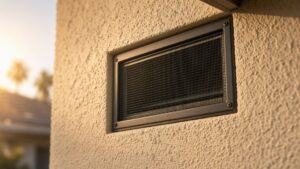
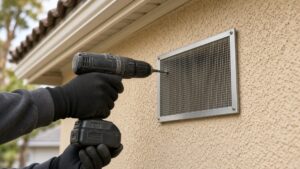
Home hardening strategies available to Pacific Palisades homeowners include ember-resistant vents that prevent embers from entering attics and crawl spaces, fire-resistant roofing materials rated for severe wildfire exposure, non-combustible siding and exterior cladding, deck hardening with ignition-resistant materials, fire-retardant spray applications for seasonal protection, and defensible space design that eliminates fuel pathways to the structure.
When enough homes in a neighborhood implement these strategies, the community achieves what wildfire scientists call Community Immunity. This is the point at which enough structures are hardened that fire cannot easily spread from home to home, even under wind-driven ember attack conditions. Community Immunity does not require every home to be perfect. It requires enough homes to be resistant that the fire’s ability to propagate through the built environment is significantly reduced.
Pacific Palisades has a rare opportunity to achieve Community Immunity during reconstruction rather than attempting to retrofit it after homes are already rebuilt with standard materials.
The Future of Wildfire Resilient Communities
The question facing California is not limited to Pacific Palisades. It is a question about what California communities should look like in 50 years. Should they continue to be rebuilt to pre-fire standards, or should resilience become a permanent part of how communities are planned, built, and maintained?
Future wildfire-resilient communities will incorporate defensible space services as part of routine property maintenance, wildfire protection services integrated into community infrastructure, community-wide fuel management programs, home wildfire protection as a standard feature of residential design, evacuation planning embedded in neighborhood development, and mitigation partnerships between homeowners, HOAs, insurers, and local government.
Wildfire defense systems and automated protection technologies will play an increasingly important role in community resilience as fire behavior becomes more extreme and firefighter resources are stretched across larger and more frequent events.
The Pacific Palisades rebuild is an opportunity to build the template for what these communities can look like when resilience is designed in from the start.
Insurance, Risk, and Long-Term Sustainability
The insurance market in California is undergoing a fundamental shift. Carriers are no longer simply pricing wildfire risk. They are actively evaluating whether individual properties and communities have taken meaningful steps to reduce that risk.
Insurance underwriters now consider wildfire risk assessments, property-level mitigation measures, defensible space compliance, home hardening investments, and community-wide exposure when making coverage and pricing decisions. Preparedness is becoming as important as location in determining insurability.
For homeowners rebuilding in Pacific Palisades, the insurance implications of their construction choices are significant. A home rebuilt with standard materials in a community that has not addressed wildfire resilience will face a very different insurance landscape than a home rebuilt with hardened materials in a community that has invested in collective mitigation.
The rebuild is an opportunity to address insurability before the next fire season, rather than scrambling to find coverage after another event.
Lessons for Communities Across California
Pacific Palisades is not just one community rebuilding after one fire. It is a case study for California’s future.
Communities across the state are watching. How Pacific Palisades handles its rebuild will influence building standards and code adoption in other wildfire-prone areas, insurance industry practices and how carriers evaluate community-level risk, community planning approaches to wildfire resilience, mitigation strategies that local governments recommend or require, and recovery policies at the state and federal level.
The question is not whether future wildfires will occur. They will. The question is whether communities across California will learn from Pacific Palisades and prepare accordingly, or whether they will continue to rebuild to the same standards that have already proven inadequate.
Frequently Asked Questions
What is the Pacific Palisades rebuild dashboard?
The rebuild dashboard is a tracking tool that monitors permit applications, approvals, inspections, and recovery milestones for properties affected by the Palisades fire. It provides transparency into the pace and progress of the rebuild effort.
What is home hardening?
Home hardening refers to upgrading a structure’s exterior components to resist ember ignition and radiant heat. This includes fire-resistant roofing, ember-resistant vents, non-combustible siding, tempered windows, and ignition-resistant decking and attachments.
What is Zone 0?
Zone 0 is the first five feet immediately surrounding a structure. California law under AB 3074 designates this as an ember-resistant zone where combustible materials, vegetation, and fuel sources must be eliminated or replaced with non-combustible alternatives.
What is Community Immunity?
Community Immunity is the concept that when enough homes in a neighborhood reduce their ignition risk, fire cannot easily spread from structure to structure. It is a community-level defense strategy that multiplies the effectiveness of individual home hardening efforts.
What is an ember-resistant retrofit?
An ember-resistant retrofit involves upgrading existing or newly built home components specifically to prevent ember entry and ignition. Common retrofits include replacing standard attic and soffit vents with ember-resistant models, installing non-combustible gutter guards, and replacing combustible fencing attachments.
How does wildfire mitigation affect insurance?
Insurance carriers increasingly evaluate property-level and community-level wildfire mitigation when making coverage and pricing decisions. Homes and communities that demonstrate documented mitigation efforts may receive improved underwriting outcomes, premium stabilization, or expanded coverage options.
Should homeowners rebuild to the same design as before?
Homeowners have the opportunity to incorporate modern wildfire resilience features during reconstruction that would be far more expensive to retrofit later. Rebuilding to pre-fire standards may result in a home that is just as vulnerable as the one that was lost.
What building materials reduce wildfire risk?
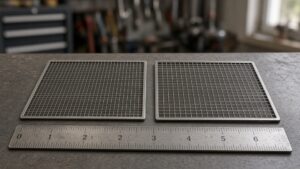
Fire-resistant roofing such as Class A rated materials, non-combustible siding, fiber cement or stucco exteriors, tempered or dual-pane windows, metal or composite decking, and ember-resistant vent screens all contribute to reduced ignition risk during wildfire events.
Why does the Pacific Palisades rebuild matter beyond that community?
Because it is the largest and most visible wildfire recovery effort in California history. The decisions made here will set precedents for building codes, insurance practices, community planning, and state policy that affect every wildfire-prone community in the state.
Where can I get a wildfire risk assessment for my property?
Professional wildfire risk assessments evaluate your property’s specific exposure to embers, radiant heat, and fire spread. Ember Pro provides comprehensive assessments that identify vulnerabilities and recommend prioritized mitigation actions. Visit risk.emberprousa.com to get started.
Next Steps
Pacific Palisades has a rare opportunity. Not just to rebuild, but to become a model for wildfire-resilient community design that other California communities can follow.
The decisions homeowners make now about home hardening, defensible space, building materials, and insurance may influence how California approaches wildfire resilience for decades to come. Every home that is rebuilt with resilience in mind makes the entire community stronger. Every home that is rebuilt without it leaves a gap that fire will find.
The strongest communities are not necessarily those that avoid wildfire. They are the ones that learn how to live with it.
Take the first step toward understanding your property’s wildfire risk. Visit risk.emberprousa.com for a comprehensive wildfire risk assessment.
Related Articles
- Home Hardening Strategies for Wildfire Protection
- Complete Guide to Defensible Space in California
- Zone 0 and AB 3074 Compliance Guide
- Wildfire Insurance: What California Homeowners Need to Know
- Wildfire Defense Systems for California Homes
- California Wildfire Laws 2026: What Changed
Ember Pro partners with California homeowners and communities to build wildfire resilience through professional risk assessments, home hardening, defensible space services, and wildfire defense systems. Contact us to discuss how we can help you rebuild smarter and safer.