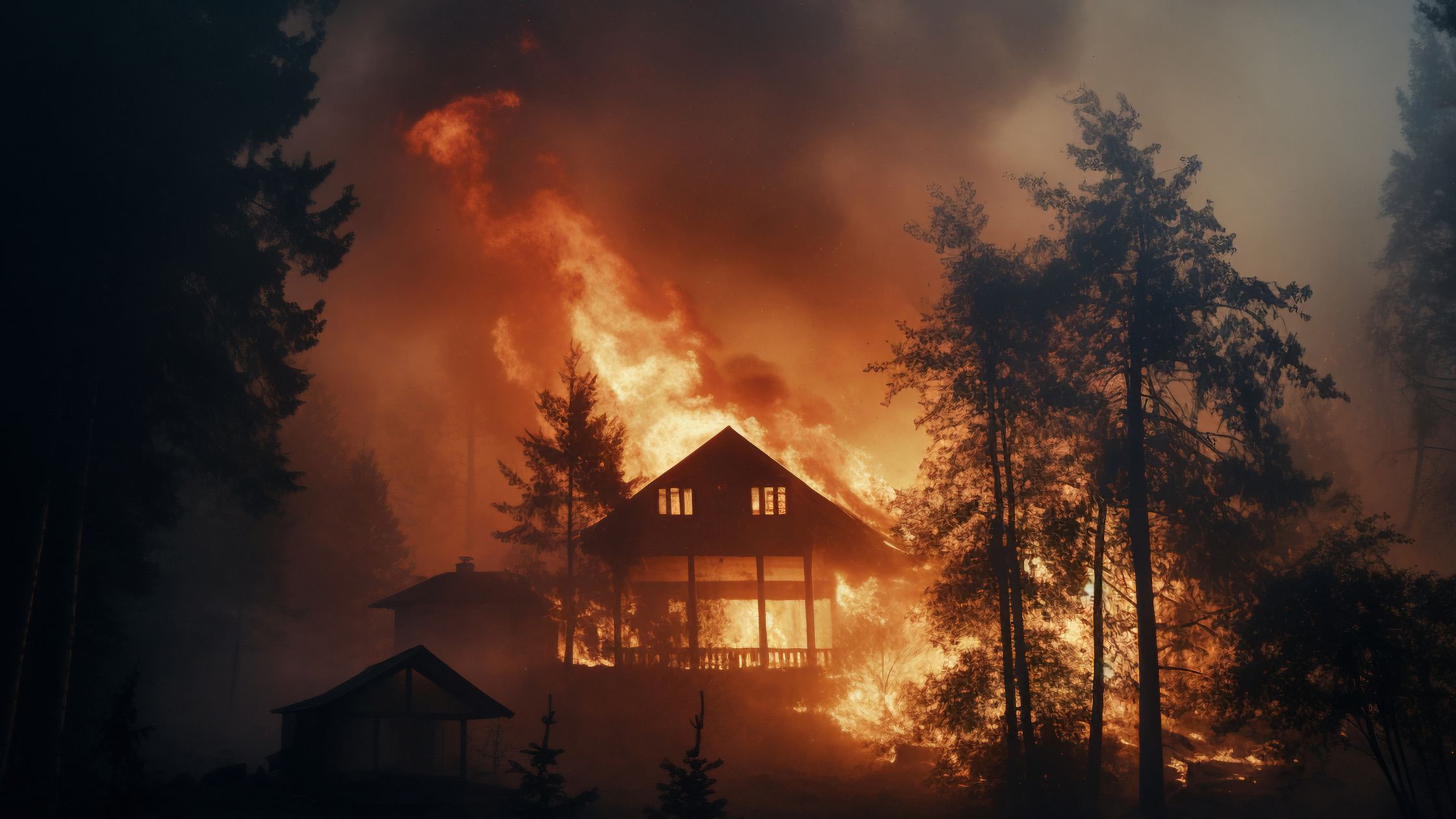


Understanding the Importance of a Wildfire Mitigation Plan
For homeowners in California, particularly in high-risk areas like Los Angeles, San Diego, and Ventura County, having a comprehensive wildfire mitigation plan is not just a smart decision—it’s an essential one. With fires becoming more frequent and intense, proactive measures are crucial to protect your property, your family, and your community. This post will dive deep into what a wildfire mitigation plan entails, why it’s necessary, and how to create and implement one effectively.
Wondering if your property is in a high-risk fire zone? Check your wildfire risk score to see your CAL FIRE zone and exposure level based on your address.
What is a Wildfire Mitigation Plan?
A wildfire mitigation plan is a detailed strategy that outlines the steps and measures to be taken to minimize the risk of wildfire damage to structures and surrounding areas. This includes everything from vegetation management to fire-resistant building materials and construction practices.
Components of a Wildfire Mitigation Plan
There are several key components that should be included in a wildfire mitigation plan, such as:
- Defensible space creation
- Vegetation management
- Fire-resistant building materials
- Emergency preparedness
- Water supply for firefighting
Editor’s note: Your insurance situation depends heavily on your property’s actual fire exposure. Our free risk assessment factors in official CAL FIRE data to show what your risk level actually is — useful context before talking to your carrier.
Why is a Wildfire Mitigation Plan Necessary?
California’s wildfire mitigation plan necessity has grown due to the increasing frequency and intensity of wildfires. According to California’s Department of Forestry and Fire Protection (CAL FIRE), over five million acres burned in the 2020 wildfire season alone. A wildfire mitigation plan is necessary to protect property and lives.
Insurance and Legal Requirements
There are also legal and insurance-related reasons to have a wildfire mitigation plan. Regulations like AB 3074 require utility companies like PG&E to develop wildfire mitigation plans, and insurers often offer discounts for properties with such plans in place.
Creating a Wildfire Mitigation Plan
Creating a wildfire mitigation plan involves several steps, starting with assessing the property’s risk and ending with implementation and maintenance.
Assessing Risk
The first step in creating a wildfire mitigation plan is to assess the risk. This includes evaluating the property’s location, the type of vegetation surrounding it, and the structure’s construction.
Developing Strategies
Once the risk has been assessed, strategies can be developed to mitigate it. This could include clearing vegetation, using fire-resistant materials, and installing ember-resistant vents.
Implementation
The next step is implementation, which involves carrying out the strategies developed. This could involve hiring contractors for certain tasks, like creating defensible space or installing fire-resistant roofing.
Maintenance
Finally, a wildfire mitigation plan must include regular maintenance to ensure its ongoing effectiveness. This could include regular vegetation clearing and inspections for potential fire hazards.
Curious about your property’s actual wildfire risk? Our free calculator shows your CAL FIRE zone, exposure level, and recommended next steps based on your address.
Get your free risk scoreWildfire Mitigation Plan Costs
The cost of a wildfire mitigation plan can vary widely depending on the property and the specific measures needed. Generally, costs can range from a few hundred dollars for basic measures up to several thousand for more comprehensive strategies.
Cost-Benefit Analysis
It’s important to conduct a cost-benefit analysis when considering a wildfire mitigation plan. While there is an upfront cost, the potential savings in avoided damages and insurance premiums can make it a worthwhile investment.
Regulations and Guidelines
In California, there are several regulations and guidelines that can help guide the creation of a wildfire mitigation plan.
AB 3074 and PG&E Wildfire Mitigation Plan
AB 3074 requires investor-owned utilities like PG&E to develop and submit wildfire mitigation plans to the California Public Utilities Commission. These plans include strategies for reducing wildfire risk, which can inform homeowners’ own plans.
Public Resources Commission (PRC) 4291
The Public Resources Commission (PRC) 4291 guideline provides additional information on creating and implementing a wildfire mitigation plan.
Not sure which step to prioritize first? Our wildfire risk calculator shows your CAL FIRE zone and exposure level — so you know exactly where to start.
Benefits of a Wildfire Mitigation Plan
Aside from the obvious benefit of reducing the risk of property damage, there are several other benefits to having a wildfire mitigation plan.
Increased Property Value
A property with a wildfire mitigation plan in place can have an increased value, as it is seen as less risky by potential buyers and insurers.
Peace of Mind
Having a wildfire mitigation plan can provide peace of mind, knowing that steps have been taken to protect your home and family from the threat of wildfire.
Frequently Asked Questions
- How often should a wildfire mitigation plan be updated?
A wildfire mitigation plan should be reviewed and updated at least annually, or more frequently if there are significant changes to the property or surrounding area.
- What if I live in a low-risk area?
Even in low-risk areas, it’s a good idea to have a basic wildfire mitigation plan in place, as conditions can change rapidly.
- Can I create a wildfire mitigation plan myself?
While it’s possible to create a wildfire mitigation plan yourself, it’s often beneficial to work with a professional who has experience in this area.
- How much does a wildfire mitigation plan cost?
The cost of a wildfire mitigation plan can vary widely, but it’s an investment that can save you money in the long run by reducing the risk of property damage.
- Are there any government programs that can help with the cost?
There are some government programs and grants available to help with the cost of a wildfire mitigation plan, depending on your location and specific circumstances.
- What happens if I don’t have a wildfire mitigation plan?
Without a wildfire mitigation plan, your property may be at a higher risk of damage from wildfires, and you may face higher insurance premiums or difficulty obtaining coverage.
- Can a wildfire mitigation plan help with insurance premiums?
Yes, many insurance companies offer discounts or lower premiums for properties with a wildfire mitigation plan in place.
- How does a wildfire mitigation plan differ from a defensible space plan?
A wildfire mitigation plan is a broader strategy that includes creating defensible space, but also includes other measures like fire-resistant building materials and emergency preparedness.
Next Steps
With the information provided, you’re now better equipped to understand the importance and components of a wildfire mitigation plan. The next step is to take action and protect your property. If you’re unsure where to start, consider reaching out to professionals like Ember Pro USA, who specialize in creating and implementing wildfire mitigation plans for homeowners in Southern California.
Want to know where your home stands? Get Your Free Satellite Property Review