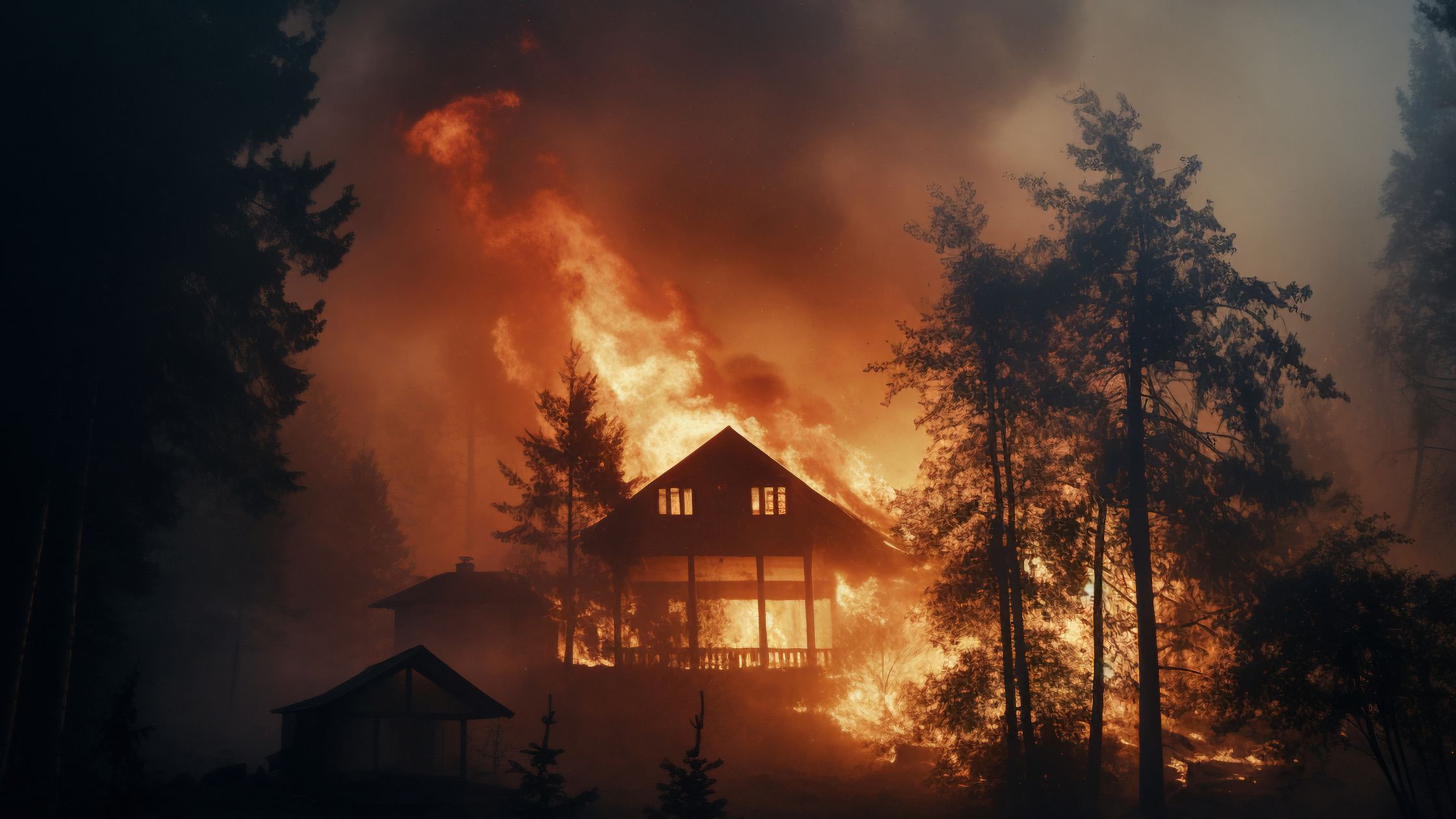

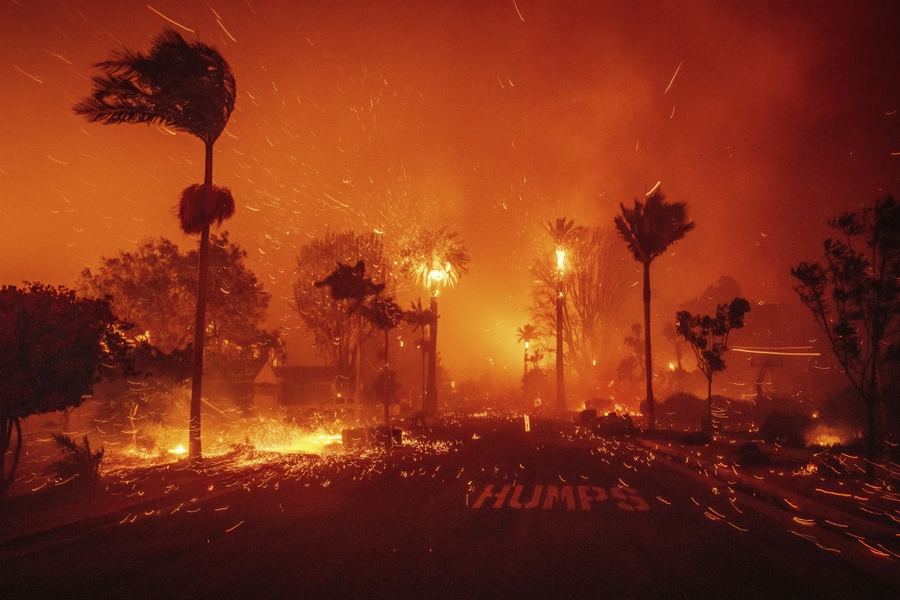
Power outages during wildfire season in California are not just inconvenient—they can be dangerous. Public Safety Power Shutoffs (PSPS), fire-damaged infrastructure, and grid overload during extreme heat events leave millions of Californians without electricity precisely when they need it most. Without power, you lose air filtration during smoke events, communication during evacuations, and the ability to operate critical wildfire defense systems. A reliable backup power solution is an essential component of any California wildfire preparedness plan.
Why Power Goes Out During Wildfires
California residents face multiple power loss scenarios during wildfire season:
- Public Safety Power Shutoffs (PSPS): Utilities like PG&E, SCE, and SDG&E intentionally shut off power when fire danger is extreme to prevent their equipment from igniting wildfires. PSPS events can last 24-72+ hours
- Fire damage to infrastructure: Wildfires destroy power lines, transformers, and substations, causing outages that last days to weeks
- Grid overload: Extreme heat and air conditioning demand during fire weather can cause rolling blackouts
- Post-fire damage: Even after a fire passes, power restoration can take weeks in heavily affected areas
What You Need Power For During a Wildfire Event
During a wildfire-related power outage, these systems require electricity:
- HEPA air purifiers: Essential during smoke events when AQI exceeds 150. Running purifiers 24/7 requires 50-200 watts each
- Communication devices: Phone charging, Wi-Fi router, radio for emergency information
- HVAC system (recirculate mode): Keeps smoke out of your home. Requires 2,000-5,000 watts
- Refrigeration: Food preservation during extended outages. Requires 100-400 watts
- Medical equipment: CPAP machines, oxygen concentrators, medication refrigeration
- Wildfire defense systems: Exterior sprinklers, pump systems, and automated monitoring. Defense systems that operate on electricity need backup power to function during PSPS events
- Lighting: Interior and exterior lights for safety
- Well pump: Homes on well water lose water supply without electricity
Backup Power Options for California Homeowners
Portable Generators (Gas/Propane)
Portable generators are the most affordable backup power option:
- Output: 2,000-12,000 watts depending on size
- Cost: $500-$3,000
- Run time: 8-24 hours per tank of fuel
- Best for: Essential circuits only—air purifiers, refrigerator, phone charging, lighting
Critical safety warning: Never operate a portable generator indoors, in a garage, or near windows. Carbon monoxide poisoning kills dozens of Californians during power outages every year. Place generators at least 20 feet from the house with exhaust facing away.
Wildfire-specific concern: Gas-powered generators create fire risk from hot exhaust and fuel storage. Keep fuel stored in approved containers away from the house and vegetation. During active fires, a generator can become an ignition source if not properly positioned.
Standby Generators (Natural Gas/Propane)
Permanently installed standby generators provide automatic backup power:
- Output: 10,000-50,000+ watts—can power your entire home
- Cost: $5,000-$25,000 installed
- Run time: Unlimited with natural gas supply; 24-72 hours on propane tank
- Best for: Whole-house backup including HVAC, defense systems, and all essentials
- Activation: Automatic—starts within seconds of detecting power loss
Standby generators are ideal for powering wildfire defense systems because they activate automatically, ensuring your home protection works even when you are evacuated.
Battery Backup Systems
Home battery systems (like Tesla Powerwall, Enphase IQ, and Generac PWRcell) store energy for use during outages:
- Capacity: 10-40+ kWh per unit (multiple units can be combined)
- Cost: $10,000-$25,000 per unit installed
- Run time: 8-24+ hours depending on load and capacity
- Best for: Clean, silent backup that pairs with solar panels for extended runtime
- Advantages: No fuel, no emissions, no fire risk from operation
Battery systems are the safest backup power option during wildfires because they produce no exhaust, no heat, and require no fuel storage. When paired with solar panels, they can provide indefinite power during extended outages.
Solar + Battery Systems
Solar panels combined with battery storage provide the most robust backup power solution:
- Cost: $20,000-$50,000 for a full solar + battery system
- Run time: Effectively unlimited during daylight with adequate battery capacity
- Best for: Long-duration outages (PSPS events lasting days), whole-house backup, and defense system power
- Tax incentives: Federal Investment Tax Credit (ITC) covers 30% of system cost through 2032
Important note: Standard grid-tied solar systems shut down during power outages for safety. You need a battery system or a hybrid inverter with backup capability to use solar during outages.
Editor’s note: Your insurance situation depends heavily on your property’s actual fire exposure. Our free risk assessment factors in official CAL FIRE data to show what your risk level actually is — useful context before talking to your carrier.
Sizing Your Backup Power System
Calculate your needs based on what you must power:
- Essential only (lights, phones, air purifiers, refrigerator): 2,000-3,000 watts
- Essential + HVAC: 5,000-8,000 watts
- Whole house including defense systems: 10,000-20,000 watts
- Whole house + well pump + multiple defense systems: 20,000-30,000 watts
Generator Safety During Wildfire Season
- Store fuel in approved containers away from the house and vegetation
- Clear a 10-foot non-combustible area around any generator location
- Install carbon monoxide detectors on every level of your home
- Never refuel a hot generator
- Have your standby generator professionally serviced before fire season
- Test your generator monthly to ensure it works when needed
- Maintain adequate fuel supply for 72+ hours of operation
How Backup Power Integrates with Wildfire Defense
Ember Pro’s wildfire defense systems are designed to operate during power outages when paired with appropriate backup power. Our system design includes power requirements planning to ensure your defense systems function during PSPS events and fire-related outages. Combined with defensible space and home hardening, backup-powered defense systems provide comprehensive protection even when utilities fail.
Not sure which step to prioritize first? Our wildfire risk calculator shows your CAL FIRE zone and exposure level — so you know exactly where to start.
Frequently Asked Questions
How long do PSPS events typically last?
PSPS events typically last 24-48 hours but can extend to 5+ days during severe fire weather. Plan your backup power for at least 72 hours of operation.
Can I run my air conditioner on a portable generator?
Most portable generators cannot power central air conditioning, which requires 3,000-5,000 watts to start. A standby generator or large portable (8,000+ watts) is needed for AC. Consider a portable evaporative cooler as an alternative (500-800 watts).
Is a Tesla Powerwall enough for wildfire backup?
A single Powerwall (13.5 kWh) can power essential loads for 8-12 hours. For whole-house backup including HVAC, two or more units are recommended. Paired with solar, a Powerwall system can provide indefinite backup.
Will my insurance cover a generator?
Homeowners insurance typically does not cover generator purchase but may cover generator damage from a covered event. Some insurers offer premium considerations for homes with backup power for defense systems.
What about electric vehicle batteries as backup?
Some EVs (Ford F-150 Lightning, Hyundai Ioniq 5) offer vehicle-to-home (V2H) backup power. A full EV battery can power a home for 2-3 days. This is an emerging but viable backup strategy.
References
- California Public Utilities Commission – PSPS Guidelines and Requirements
- Pacific Gas & Electric – Public Safety Power Shutoff Program
- Southern California Edison – PSPS Information and Resources
- California Energy Commission – Home Battery and Solar Backup Guide
- Consumer Product Safety Commission – Generator Safety Guidelines
- Federal Emergency Management Agency (FEMA) – Power Outage Preparedness
Related Articles
- Wildfire Defense Systems for California Homes
- Complete Guide to Defensible Space in California
- Home Hardening Strategies for Wildfire Protection
- Wildfire Insurance: What California Homeowners Need to Know
- California Wildfire Laws 2026: What Changed
Ember Pro designs wildfire defense systems with backup power integration, ensuring your home remains protected during PSPS events and fire-related outages. Contact us today to discuss defense system design with reliable backup power.
Curious about your property’s actual wildfire risk? Our free calculator shows your CAL FIRE zone, exposure level, and recommended next steps based on your address.
Get your free risk score