

Shopping for wildfire insurance in California has become one of the most frustrating experiences for homeowners. Major carriers have pulled out of high-risk areas, premiums have skyrocketed, and millions of Californians have been pushed to the FAIR Plan as their insurer of last resort. But with the right strategy, documentation, and understanding of the market, California homeowners can still find meaningful coverage at reasonable rates. This guide provides actionable tips for navigating the wildfire insurance landscape in 2026.
Editor’s note: Your insurance situation depends heavily on your property’s actual fire exposure. Our free risk assessment factors in official CAL FIRE data to show what your risk level actually is — useful context before talking to your carrier.
The Current State of California Wildfire Insurance
Since 2019, California’s wildfire insurance market has undergone dramatic changes:
- State Farm, Allstate, AIG, and other major carriers have reduced or eliminated new policies in fire-prone areas
- Non-renewal notices have affected hundreds of thousands of California homeowners
- The FAIR Plan—California’s insurer of last resort—has seen enrollment surge past 400,000 policies
- Premiums in high-risk areas have increased 40-200% over the past five years
- California’s insurance reform legislation (SB 1060 and related bills) is beginning to reshape the market, but implementation is ongoing
Step 1: Understand Your Risk Profile
Before shopping, understand how insurers evaluate your property:
- Fire Hazard Severity Zone: Check your property’s designation at the CAL FIRE FHSZ map. Properties in Very High Fire Hazard Severity Zones (VHFHSZ) face the most limited options
- Defensible space compliance: Insurers increasingly inspect or require defensible space documentation
- Home construction: Materials, roof type, siding, and home hardening status significantly affect premiums
- Proximity to fire station: Distance to the nearest fire station and fire hydrant affects risk scoring
- Claims history: Previous wildfire claims affect availability and pricing
Step 2: Document Your Wildfire Mitigation
Documentation is your most powerful tool when shopping for wildfire insurance. Before approaching any carrier, compile:
- Professional wildfire risk assessment report
- Defensible space compliance documentation with photos
- Zone 0 compliance verification
- Roof material certification (Class A rating)
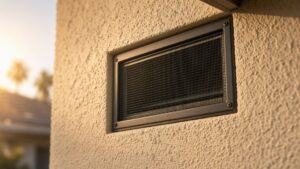
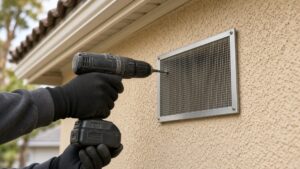
- Vent screening documentation (1/8-inch mesh)
- Window type documentation (dual-pane tempered glass)
- Any wildfire defense system installation records
- Fire retardant spray application records
- Vegetation management maintenance logs
Presenting this documentation proactively shows insurers that your property is actively managed for wildfire risk. Many carriers that initially decline coverage will reconsider when shown comprehensive mitigation documentation.
Step 3: Shop Multiple Channels
Independent Insurance Agents
Independent agents represent multiple carriers and can shop your property across their entire portfolio. In the current California market, independent agents with access to surplus lines carriers often find options that direct carriers and captive agents cannot.
Surplus Lines (Non-Admitted) Carriers
When admitted carriers decline coverage, surplus lines carriers step in. These carriers are not subject to California rate regulations, so premiums may be higher, but they provide coverage when no one else will. Key surplus lines carriers active in California wildfire insurance include Scottsdale, Lloyd’s syndicates, and various specialty carriers.
FAIR Plan
The California FAIR Plan provides basic fire coverage when no other option exists. Key considerations:
- FAIR Plan provides fire coverage only—you need a separate Difference in Conditions (DIC) policy for theft, liability, and other perils
- Coverage limits max at $3 million for dwelling
- Premiums have increased significantly and may continue to rise
- FAIR Plan does not provide the most competitive rates, but it guarantees availability
Wrap-Around Policies
A DIC (Difference in Conditions) policy combined with the FAIR Plan creates comprehensive coverage. The DIC policy covers everything the FAIR Plan excludes: theft, liability, water damage, and additional living expenses beyond FAIR Plan limits.
Step 4: Compare Policies Carefully
When comparing wildfire insurance quotes, evaluate:
- Dwelling coverage limit: Does it reflect actual rebuilding cost? California averages $300-$500+ per square foot
- Replacement cost vs. ACV: Always choose replacement cost coverage
- Deductible: Watch for separate wildfire deductibles, which can be 2-5% of dwelling coverage
- Additional Living Expenses: How long and how much? Aim for 24 months minimum
- Code upgrade coverage: Covers the cost of rebuilding to current codes
- Extended replacement cost: Provides 25-50% above your dwelling limit if rebuilding costs exceed estimates
- Personal property coverage: Ensure limits reflect your actual belongings value
Step 5: Negotiate Using Mitigation
Use your mitigation documentation as a negotiation tool:
- Request premium reductions for documented defensible space compliance
- Ask about discounts for home hardening improvements (new roof, vent upgrades, etc.)
- Inquire about wildfire defense system credits
- Present Firewise USA community membership if applicable
- Highlight professional fire-retardant spray application
- Ask about multi-policy discounts (auto + home)
Step 6: Review and Update Annually
The California wildfire insurance market changes rapidly. Review your coverage annually:
- Ensure dwelling limits keep pace with rising construction costs
- Update personal property inventory
- Shop for competitive quotes every 2-3 years
- Document new mitigation improvements and share with your carrier
- Monitor California insurance reform legislation that may create new options
California Insurance Reform: What Is Changing
California’s Department of Insurance has been implementing reforms to stabilize the wildfire insurance market. Key developments include:
- Allowing insurers to use forward-looking catastrophe models (not just historical loss data)
- Requiring insurers who use new models to write policies in underserved areas
- Mandating wildfire mitigation discounts for compliant properties
- Expanding FAIR Plan coverage options
- Streamlining surplus lines access for wildfire coverage
These reforms, combined with new wildfire laws, are gradually creating incentives for insurers to return to California’s fire-prone areas—particularly for properties with documented mitigation.
How Ember Pro Helps You Get Better Insurance
Ember Pro provides the professional documentation that insurers want to see. Our wildfire risk assessments, defensible space evaluations, and home hardening reports give you the evidence needed to negotiate better rates and maintain coverage. Many of our clients have avoided non-renewal or secured significant premium reductions by presenting Ember Pro’s professional documentation to their carriers.
Frequently Asked Questions
What should I do if my insurance is non-renewed?
Do not panic. You typically have 75 days notice. Use that time to shop with independent agents, document your mitigation efforts, and apply to the FAIR Plan as a backup. Many homeowners find alternative coverage within 30-45 days.
Is the FAIR Plan a good option?
The FAIR Plan is a safety net, not an ideal solution. It provides basic fire coverage but lacks the comprehensive protection of standard homeowners policies. Pair it with a DIC policy for full coverage.
Can mitigation really lower my premium?
Yes. Documented mitigation can reduce premiums by 5-20% with many carriers. More importantly, mitigation can be the difference between obtaining coverage and being declined entirely.
How much should I expect to pay for wildfire insurance?
Premiums vary enormously based on location, construction, and coverage limits. In moderate-risk areas, expect $2,000-$5,000 annually. In high-risk areas, premiums can range from $5,000 to $20,000+ per year.
Should I consider going without insurance?
Going uninsured is extremely risky. A single wildfire loss can exceed $500,000. If you have a mortgage, your lender requires insurance. Even if you own your home outright, self-insuring against wildfire is rarely advisable.
References
- California Department of Insurance – Wildfire Insurance Information Center
- California FAIR Plan Association – Coverage Options and Eligibility
- National Association of Insurance Commissioners (NAIC) – Wildfire Insurance Data
- California Senate Bill 1060 – Insurance Reform Legislation
- Insurance Information Institute – California Wildfire Insurance Market Report
- California Department of Insurance – How to Shop for Homeowners Insurance
Related Articles
- Wildfire Insurance: What California Homeowners Need to Know
- Complete Guide to Defensible Space in California
- Home Hardening Strategies for Wildfire Protection
- Wildfire Defense Systems for California Homes
- California Wildfire Laws 2026: What Changed
Ember Pro provides the professional wildfire mitigation documentation that helps California homeowners secure better insurance coverage and lower premiums. Contact us today for a wildfire risk assessment that speaks the language insurers understand.
Curious about your property’s actual wildfire risk? Our free calculator shows your CAL FIRE zone, exposure level, and recommended next steps based on your address.
Get your free risk score