
Home Hardening in California: AB 3074 & Ember Defense
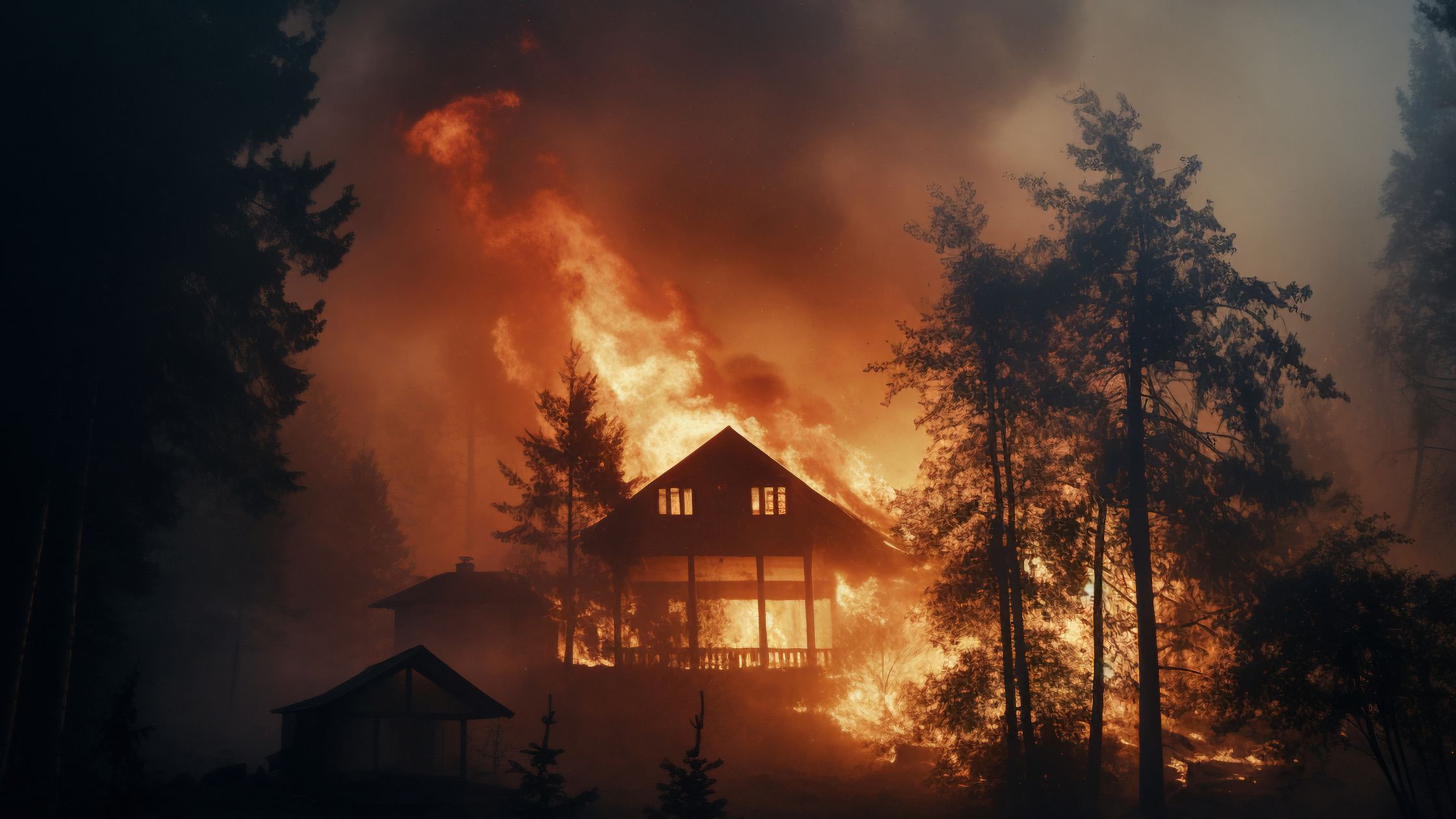
Many wildfire home losses start small: an ember in a vent, mulch against the wall, a fence tied into the house. Home hardening closes those gaps, starting with the first five feet.
- Vents, eaves, and roof edges
- Gutters and debris traps
- Decks, fences, and attachments
- The 0–5 ft Zone 0 around your walls
- Photos and notes for your insurer
Stop Embers Where They Get In
In a wind-driven fire, embers can arrive long before the flames. They find the weak spots: open vents, leaf-filled gutters, wood mulch, and fences that lead straight to your siding. Home hardening upgrades the structure and its immediate surroundings so embers have fewer places to catch. It’s also what insurers often look for when they review a California home.
Where Home Hardening Makes the Biggest Difference
Zone 0 Cleanup
We clear combustibles from the first five feet: mulch, plants, stored wood, and furniture that could catch against your walls.
Read the Zone 0 guide →Vents & Openings
Vents are a common way embers get inside. We find vulnerable openings and scope upgrades that suit your home’s construction.
Roof Edges, Eaves & Gutters
Debris in gutters and gaps at the roofline can hold embers. We flag and fix the details that matter most on your home.
Decks, Fences & Attachments
Wood that connects to the house can act like a fuse. We look at what to replace, separate, or protect.
Documentation for Insurers
We record the work with photos and notes you can share with your broker, the FAIR Plan, or an admitted carrier.
Active Defense Layers
Once the structure is right, you can add seasonal fire retardant spray or a remotely activated defense system if your risk calls for it.
See seasonal spray →What AB 3074 Means for Your Home
California’s AB 3074 introduced an ember-resistant Zone 0 for the first five feet around homes in high fire hazard areas. State and local agencies set the detailed rules and timelines, and those are still rolling out, but many insurers already look at Zone 0 conditions today.
- Zone 0: keep the first five feet free of things that burn
- Home hardening: fix how the building itself takes embers
- Defensible space: manage vegetation farther out, past five feet
Most homes need all three. We handle hardening and Zone 0 directly and can connect you with trusted pros for larger vegetation work.
An Honest, Prioritized Plan
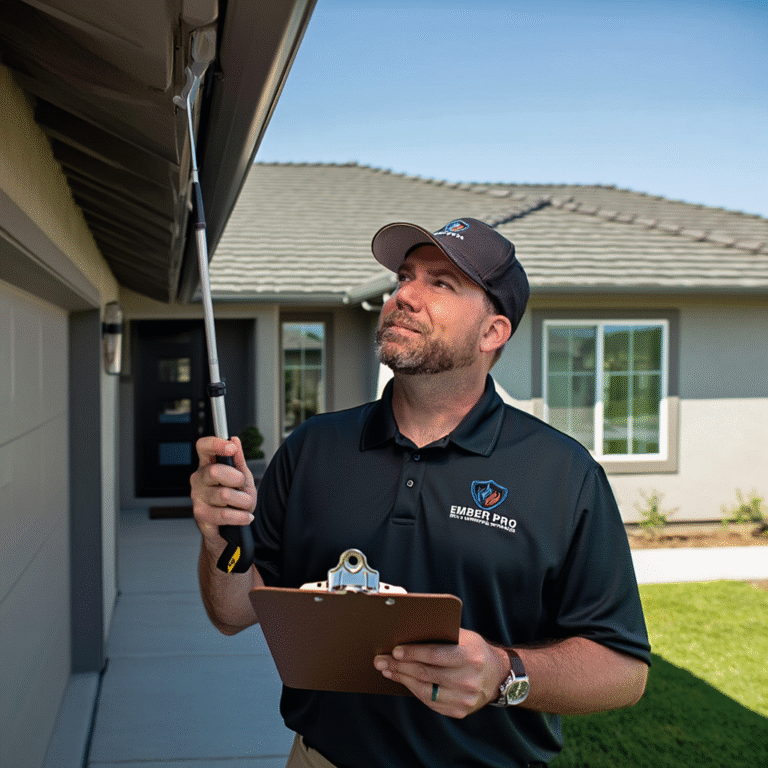
We rank fixes by impact, so you know what to do first. Often that means clearing Zone 0 and addressing vents before bigger projects.
How Home Hardening Works with Ember Pro
-
Satellite Review
We look at slope, fuels, and exposure around your lot.
-
Zoom Call
We talk through your concerns, timing, and insurance deadlines.
-
On-Site Assessment
We map ember entry points and rank the fixes.
-
Harden & Document
We do the work and hand you a clear record of it.
Find Your Home’s Weak Spots Before Fire Season
Start with a free satellite review. We’ll show you where embers could get in and what to fix first.
What Is Home Hardening?
Home hardening means upgrading a house and its first five feet so wind-driven embers and radiant heat are less likely to ignite it. It covers vents, roof edges, eaves, gutters, siding transitions, decks, fences, and Zone 0 cleanup. In California it goes hand in hand with AB 3074’s ember-resistant zone and with defensible space farther from the house.
Home Hardening FAQ
What does AB 3074 require?
It created the Zone 0 idea: an ember-resistant area within five feet of homes in high-risk areas. Detailed rules and enforcement dates come from state and local agencies and can vary, so check your area. Our Zone 0 guide has a practical checklist.
Is home hardening the same as brush clearance?
No. Brush clearance manages vegetation farther from the house. Hardening fixes the building and the first five feet. Most homes need both.
Do I need new vents?
Maybe. Vents are a common way embers get inside. We check yours and recommend upgrades that fit your construction instead of a one-size answer.
Will hardening help with insurance?
It can. Insurers often look for Zone 0 and hardening work, and documented upgrades strengthen your file. The underwriter still makes the final call.
Reviewed by Ember Pro, CSLB #1142407 · Licensed wildfire mitigation contractor founded in Fallbrook, serving San Diego, Los Angeles, Orange, and Riverside counties.