
Brush Clearance in San Diego: What Every Homeowner Needs to Know Before Fire Season
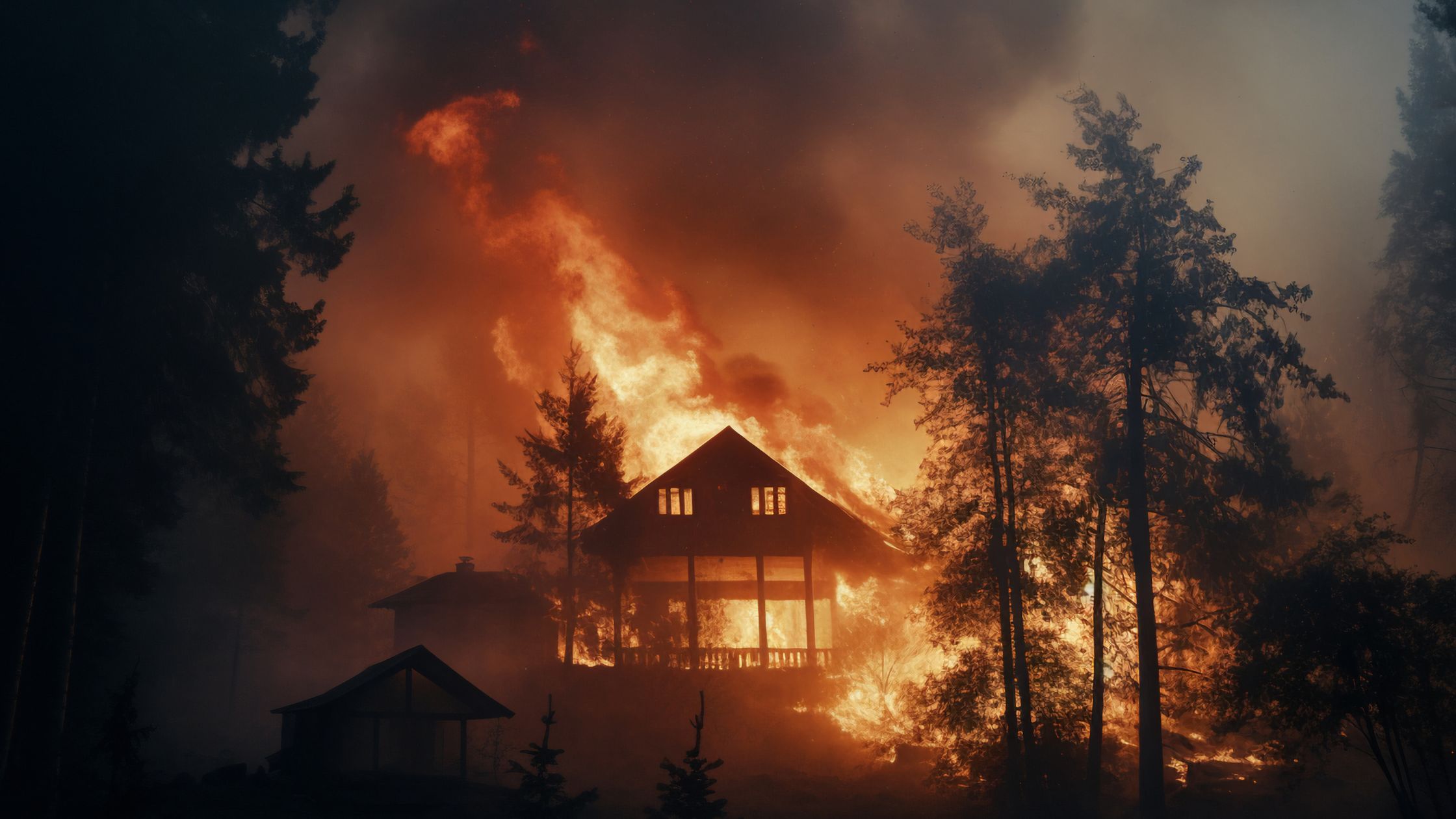
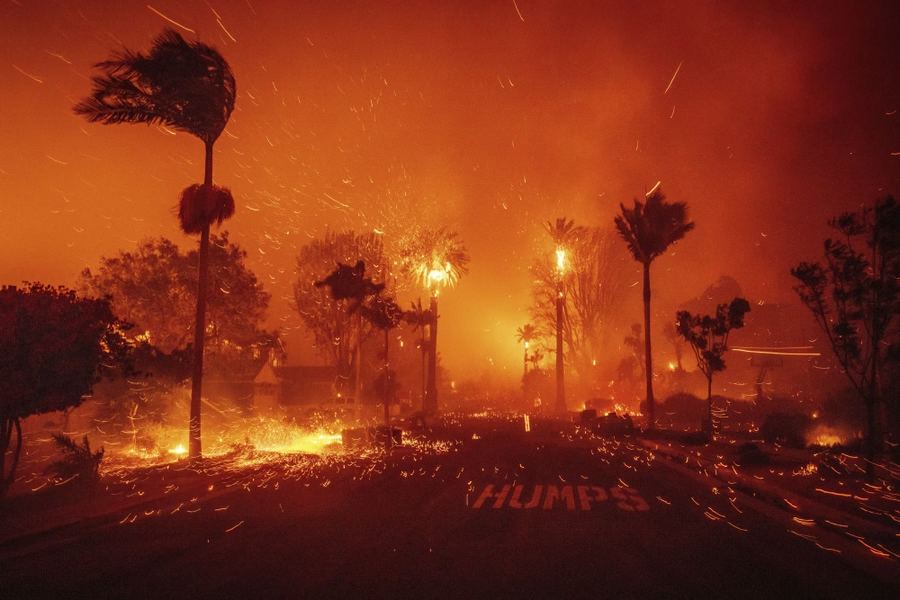
If you live anywhere near wildland-urban interface areas in San Diego County, you already know the drill. Every year, the city and county send notices reminding property owners to clear brush from around their homes. And every year, too many people wait until the last minute, hire whoever answers the phone first, and end up with a rushed job that barely meets minimum compliance. Then October rolls around, the Santa Ana winds start howling through the canyons at 60-plus miles per hour, and suddenly brush clearance is the only thing that stands between your family and a structure fire.
I have spent most of my career in environmental science and wildfire defense. I studied Environmental Studies at Allegheny College, and when my business partner Ryan Kresan and I co-founded Ember Pro USA, we built the company specifically around the idea that wildfire protection is not a landscaping job. It is an environmental and structural defense project that requires real expertise, proper technique, and an understanding of how fire actually behaves in Southern California terrain.
This guide is going to walk you through everything you need to know about brush clearance in San Diego: what the regulations actually require, when you need to act, what most companies get wrong, and how Ember Pro approaches defensible space differently than the average brush clearing crew.
Not sure which step to prioritize first? Our wildfire risk calculator shows your CAL FIRE zone and exposure level — so you know exactly where to start.
Why Brush Clearance Matters More in San Diego Than Almost Anywhere Else
San Diego County sits at the convergence of three factors that make wildfire risk exceptionally high. First, we have an arid Mediterranean climate with long dry seasons that turn native chaparral and coastal sage scrub into kindling by late summer. Second, we have the Santa Ana winds, those hot, dry offshore gusts that can push a fire across miles of terrain in a matter of hours. Third, and this is the factor most people underestimate, we have massive wildland-urban interface zones where residential neighborhoods press right up against undeveloped canyons, hillsides, and open space preserves.
The combination is dangerous. The 2003 Cedar Fire burned over 273,000 acres across San Diego County and destroyed more than 2,200 homes. The 2007 Witch Creek Fire forced the largest evacuation in California history at the time. These are not distant memories. They are reminders that San Diego is, and will always be, fire country.
Brush clearance is the single most effective thing a homeowner can do to reduce the risk of losing their property to wildfire. Studies from CAL FIRE consistently show that homes with properly maintained defensible space are significantly more likely to survive a wildfire than homes without it. It is not a guarantee, but it dramatically shifts the odds in your favor.
Editor’s note: Your insurance situation depends heavily on your property’s actual fire exposure. Our free risk assessment factors in official CAL FIRE data to show what your risk level actually is — useful context before talking to your carrier.
San Diego Brush Clearance Requirements: The Zones You Need to Understand
The City of San Diego Fire-Rescue Department and San Diego County both enforce defensible space requirements based on a zone system that extends outward from your home. If your property falls in or near a Very High Fire Hazard Severity Zone (VHFHSZ), and a significant portion of San Diego County qualifies, you are legally required to maintain these zones.
Zone 1: 5 to 30 Feet From Your Home
This is your lean, clean, green zone. Within 30 feet of any structure on your property, you must remove all dead and dying plants, branches, leaves, weeds, and needles. Non-tree vegetation should be kept under four feet tall and fire-resistant. Trees need to be pruned so that branches are at least 10 feet from other trees and plants, and healthy branches must maintain at least five feet of clearance from roofs and walls. This zone needs regular watering and ongoing maintenance. It is not a one-and-done project.
Zone 2: 30 to 100 Feet From Your Home
Zone 2 is where thinning and fuel reduction become critical. The City of San Diego requires property owners to remove invasive species and dead wood, then thin approximately 50 percent of the vegetation in this area. Remaining plants should be pruned and shaped, with taller plants trimmed into umbrella-like canopies and shorter plants cut back near the root crown. All cuttings must be disposed of properly, either at the Miramar Greenery facility or in your green organic waste bin. No permanent structures or irrigation systems are allowed in this zone, and grading of native soils is prohibited.
This is also the zone where environmental regulations intersect with fire safety. If your property borders or sits within the Multiple Habitat Planning Area (MHPA) or designated open space, you may need recorded easements and biological surveys before performing brush work. Work in coastal sage scrub, maritime succulent scrub, and coastal sage-chaparral habitats is prohibited between March 1 and August 15, which overlaps with bird breeding season, unless specifically approved by the City.
Slope Considerations
San Diego is not flat, and slope dramatically affects how fire behaves. On slopes up to 50 percent, tree canopy edges need at least 10 feet of separation. On steeper slopes, that spacing increases to 30 feet. Shrubs require horizontal spacing of three times their height on gentler slopes and six times their height on steeper terrain. Vertical clearance between shrub tops and the lowest tree branches must be at least three times the shrub height or six feet, whichever is greater. If your property sits on a hillside or near a canyon, these slope-adjusted requirements can substantially increase the scope of brush clearance work you need.
When to Schedule Brush Clearance in San Diego
The City of San Diego requires year-round maintenance in Zone 1 and seasonal maintenance in Zone 2. But from a practical standpoint, here is the timeline that makes the most sense for San Diego homeowners:
- Late April through May: Cut native grasses to approximately two inches before the end of the growing season. Near coastal sage habitats, grasses should actually be cut before March 1 and again after August 15 if they exceed 24 inches.
- May through June: Complete your primary brush clearance and thinning work in Zone 2. This is the window between the end of the rainy season and the start of the critical fire months.
- July through September: Perform maintenance checks. Remove any dead material that has accumulated since your initial clearance. Verify spacing requirements are still being met as plants grow.
- October through December: This is Santa Ana wind season and peak fire danger. Your defensible space should already be established. Focus on removing leaf litter, dead branches, and any new growth that has encroached into your cleared zones.
If you are only clearing brush once a year, you are doing the bare minimum. Fire does not respect a calendar, and in San Diego, we have seen major fires ignite in every month of the year. The best approach is ongoing maintenance with a professional team that understands both fire behavior and local environmental regulations.
What Most Brush Clearance Companies Get Wrong
Here is where I need to be direct with you. Most companies advertising brush clearance in San Diego are landscaping crews who added “brush clearing” to their service list because there is demand for it. They show up with a crew, cut everything back, haul it away, and send you a bill. That approach has several problems.
They do not understand fire behavior. Brush clearance is not about making your yard look tidy. It is about creating defensible space that actually slows or stops fire from reaching your structure. That requires understanding how fire moves through different types of vegetation, how slope and wind affect fire speed and direction, and what plant spacing ratios actually reduce radiant heat exposure. A landscaper cutting chaparral does not think about ember cast distance or heat flux. We do.
They ignore environmental regulations. San Diego has some of the most complex environmental overlay zones in the state. Working in or near MHPA areas, vernal pools, or sensitive habitat without understanding the restrictions can result in significant fines and required mitigation. At Ember Pro, our work starts with an environmental assessment, not a chainsaw.
They do not address structural vulnerabilities. Brush clearance is only one part of wildfire defense. If you clear 100 feet of brush but leave your attic vents unscreened, your wood fence attached to the house, or your gutters full of pine needles, you are still at serious risk. Comprehensive wildfire defense requires looking at the entire picture: vegetation management, structural hardening, and active suppression systems.
How Ember Pro Approaches Brush Clearance Differently
When Ember Pro takes on a brush clearance project, we treat it as one component of a complete wildfire defense strategy. Here is what that looks like in practice.
Site assessment first. Before any clearing begins, we evaluate your property’s specific risk factors. We look at topography, prevailing wind patterns, vegetation types, proximity to open space, access points for fire apparatus, and the structural vulnerabilities of your home itself. This assessment drives the scope of work rather than applying a generic formula to every property.
Compliant vegetation management. We perform brush clearance that meets and exceeds City of San Diego and San Diego County requirements. Our crews understand zone-specific requirements, slope-adjusted spacing, and seasonal restrictions for work in sensitive habitats. We hold CSLB License #1142407, and our work complies with all applicable fire codes and environmental regulations.
Citrotech fire inhibitor applications. Beyond physical brush clearance, Ember Pro offers Citrotech fire inhibitor treatments. This is a plant-based, environmentally friendly fire retardant that can be applied to vegetation and structures to significantly reduce flammability. For properties where full brush clearance to the prescribed distances is not possible, whether because of property line limitations, environmental restrictions, or terrain, Citrotech provides an additional layer of protection that standard brush clearing companies simply do not offer.
Off-grid remotely activated suppression systems. For homeowners in remote or high-risk areas, we install off-grid suppression systems that can be activated remotely. These systems allow you to deploy fire suppressant from anywhere, whether you are at work, on vacation, or evacuated. This is the kind of advanced wildfire defense technology that goes far beyond cutting brush. It is an active defense layer that works even when you are not there.
Ongoing maintenance programs. Brush clearance is not a one-time job. Plants grow back. Debris accumulates. Conditions change. Ember Pro offers annual and seasonal maintenance programs designed to keep your defensible space in compliance year-round. We track your property, schedule return visits, and make sure you never fall behind on the maintenance that keeps your home safe.
The Cost of Not Doing Brush Clearance Right
San Diego Fire-Rescue actively enforces brush management requirements. Inspectors can issue notices of violation through the Fire Hazard Advisor program, and fines for non-compliance can add up quickly. But fines are the least of your worries. The real cost of inadequate brush clearance is the risk to your property, your possessions, and your family’s safety.
Insurance is the other factor homeowners need to consider. Insurers across California are reassessing wildfire risk exposure, and many have already stopped writing or renewing policies in high-risk areas. Demonstrating that you have professional brush clearance and defensible space maintenance can be a deciding factor in whether your insurer continues to cover your property. Some insurers specifically ask about brush management practices as part of their underwriting process.
Serving San Diego and All of Southern California
Ember Pro USA provides brush clearance and comprehensive wildfire defense services across San Diego County, Los Angeles County, Orange County, and Riverside County. Whether you are in Rancho Santa Fe, Scripps Ranch, Poway, Ramona, Julian, or anywhere else in the San Diego backcountry, our team has the expertise and equipment to handle your property’s unique terrain and vegetation challenges.
Frequently Asked Questions About Brush Clearance in San Diego
How far do I need to clear brush from my house in San Diego?
San Diego requires defensible space extending up to 100 feet from structures. Zone 1 extends from 5 to 30 feet and requires the most aggressive clearance, including removing dead vegetation and keeping plants under four feet tall. Zone 2 extends from 30 to 100 feet and requires approximately 50 percent thinning along with removing invasive species and dead wood. If your property line falls within these distances, your responsibility extends to the property line.
When is brush clearance required in San Diego?
Zone 1 maintenance is required year-round. Zone 2 is maintained seasonally. The practical window for major brush clearance work is May through June, after the rainy season and before peak fire danger. However, work in sensitive habitats like coastal sage scrub is prohibited between March 1 and August 15 unless specifically approved. We recommend establishing a year-round maintenance schedule rather than relying on a single annual clearing.
Do I need a permit for brush clearance on my property?
Generally, no permit is required for standard brush management on your own property. However, if your brush clearance extends onto City-owned land, you will need a Right-of-Entry Permit. If you plan to use goats for brush management, San Diego Fire-Rescue requires a permit for that as well. New development projects requiring discretionary, grading, or building permits must include a formal Brush Management Plan.
What happens if I do not clear brush on my property?
The City of San Diego enforces brush management requirements through the Fire Hazard Advisor program. Failure to maintain required defensible space can result in notices of violation and fines. More importantly, inadequate brush clearance puts your property at significantly higher risk during a wildfire. It can also affect your ability to obtain or maintain homeowners insurance in fire-prone areas.
Can I do brush clearance myself or do I need a professional?
You can perform basic brush clearance yourself, including removing dead vegetation, pruning trees, and clearing debris. However, professional help is strongly recommended for properties on steep slopes, near sensitive habitats, or in areas requiring extensive thinning. Professional brush clearance companies understand fire behavior, zone-specific spacing requirements, environmental restrictions, and proper disposal methods. For properties in high-risk areas, a professional assessment can identify vulnerabilities that most homeowners would miss.
How much does professional brush clearance cost in San Diego?
The cost of brush clearance varies significantly based on property size, terrain, vegetation density, and slope. A standard residential lot in a moderate-risk area might cost anywhere from a few hundred to several thousand dollars. Properties with steep slopes, heavy chaparral coverage, or extensive acreage will cost more. At Ember Pro, we provide detailed assessments and transparent pricing. Contact us for a site-specific evaluation rather than relying on generic estimates.
What is the difference between brush clearance and defensible space?
Brush clearance refers specifically to removing or thinning vegetation around your property. Defensible space is a broader concept that includes brush clearance along with structural hardening measures like screening attic vents, replacing combustible fencing, maintaining gutters, and installing fire-resistant roofing. True wildfire preparedness requires both. Ember Pro addresses the complete picture, not just the vegetation side.
Does Ember Pro offer free wildfire home inspections?
Yes. We offer a free 10-point wildfire home inspection that evaluates your property’s defensible space, structural vulnerabilities, and overall wildfire readiness. You can schedule your free inspection here or call us directly at (858) 939-9345.
What areas does Ember Pro serve for brush clearance?
Ember Pro USA serves San Diego County, Los Angeles County, Orange County, and Riverside County. Our team is equipped to handle properties throughout Southern California, from urban-interface neighborhoods to remote rural acreage. Whether you are in coastal San Diego or the inland valleys, we have the crew and equipment to manage your brush clearance and wildfire defense needs.
Get Your Property Ready Before Fire Season
If you are searching for brush clearance companies in San Diego, you are already taking the right first step. But do not settle for a basic landscaping crew that treats wildfire defense like a yard cleanup. Your home deserves a team that understands fire science, environmental compliance, and structural defense.
Ember Pro USA was built specifically for this work. Co-founded by myself and Ryan Kresan, our company holds CSLB License #1142407 and brings environmental expertise, advanced fire suppression technology, and a genuine commitment to keeping Southern California families safe.
Contact Ember Pro today to discuss your property’s brush clearance needs, or schedule your free 10-point wildfire home inspection to see exactly where your home stands. You can also call us directly at (858) 939-9345. Do not wait until the Santa Ana winds are in the forecast. The best time to prepare is right now.
Curious about your property’s actual wildfire risk? Our free calculator shows your CAL FIRE zone, exposure level, and recommended next steps based on your address.
Get your free risk score
Leave a Reply