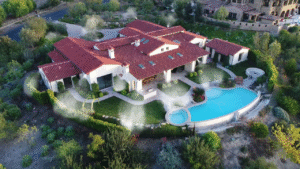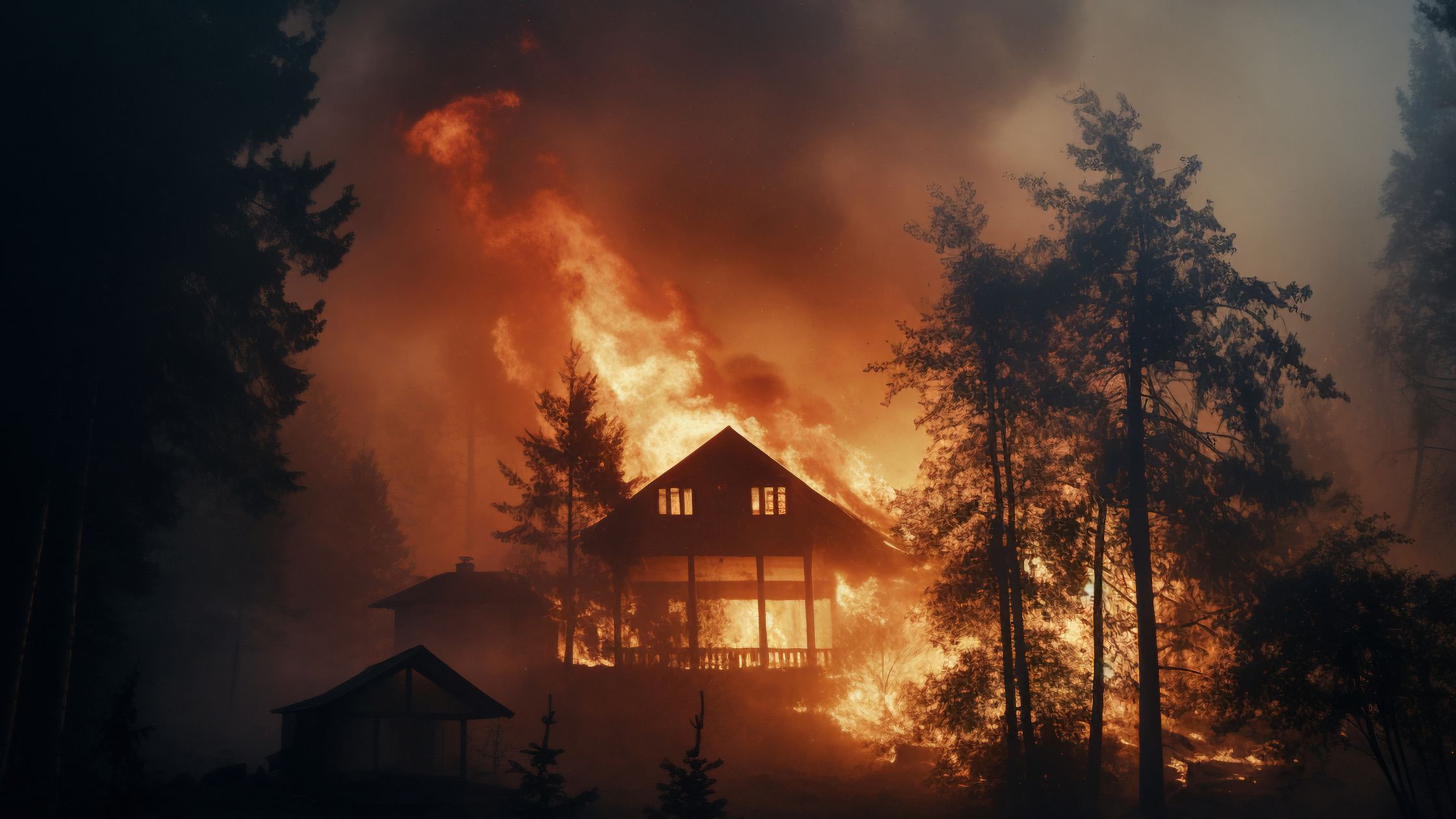


San Diego homeowners living in wildfire-prone areas face an urgent reality: home hardening is no longer optional. With fire seasons growing longer and more destructive, protecting your home with fire-resistant upgrades is essential for survival, insurance eligibility, and property value. Finding the best home hardening contractors in San Diego can mean the difference between a home that survives a wildfire and one that does not. This comprehensive guide covers everything you need to know about hiring the right contractor, understanding what home hardening includes, and planning your investment.
Editor’s note: Your insurance situation depends heavily on your property’s actual fire exposure. Our free risk assessment factors in official CAL FIRE data to show what your risk level actually is — useful context before talking to your carrier.
What Is Home Hardening?
Home hardening refers to the process of retrofitting or upgrading a home’s exterior components to resist wildfire ignition. Unlike defensible space clearance which addresses vegetation and landscaping around the home, home hardening focuses on the structure itself. The goal is to eliminate or reduce vulnerabilities where embers, radiant heat, or direct flame contact can ignite the building.
California’s Chapter 7A of the Building Standards Code establishes minimum requirements for wildfire-resistant construction in Wildland-Urban Interface zones. However, best practices go beyond code minimums, and experienced contractors know which upgrades deliver the greatest protection for each property’s unique risk profile.
What Home Hardening Includes
Vents and Attic Openings
Vents are one of the most critical vulnerabilities during a wildfire. Standard attic vents, soffit vents, and foundation vents allow embers to enter the home and ignite interior materials. Home hardening contractors replace these with ember-resistant vents that use 1/8-inch corrosion-resistant metal mesh or specially designed baffled vent systems. For San Diego homes, where Santa Ana winds can drive embers horizontally at high velocity, proper vent screening is non-negotiable.
- Attic vents: Replace with 1/8-inch mesh ember-resistant models ($50-$150 per vent installed)
- Soffit vents: Retrofit with intumescent or baffled designs ($75-$200 per vent)
- Foundation vents: Screen with metal mesh and add closeable dampers ($40-$100 per vent)
Roofing
The roof is the largest exposed surface on most homes and the primary target for airborne embers. Class A fire-rated roofing materials are required in San Diego’s WUI zones. Options include concrete tile, clay tile, metal roofing, and certain composite materials. Wood shake roofs must be replaced entirely.
- Concrete or clay tile: $15,000-$35,000 for a typical San Diego home
- Standing seam metal roofing: $18,000-$40,000 depending on home size
- Class A composite shingles: $12,000-$25,000 (must meet Chapter 7A standards)
- Underlayment upgrade: Fire-resistant underlayment adds $2,000-$5,000
Siding and Exterior Walls
Non-combustible siding protects the home’s walls from radiant heat and direct flame contact. In San Diego, where many older homes still have wood or vinyl siding, upgrading to fiber cement, stucco, or stone veneer dramatically reduces ignition risk.
- Fiber cement siding (James Hardie): $8-$15 per square foot installed
- Stucco application or repair: $6-$12 per square foot
- Stone or masonry veneer: $15-$30 per square foot
Windows and Glazing
Single-pane windows are extremely vulnerable to radiant heat and can shatter during a wildfire, allowing embers and flames to enter the home. Dual-pane tempered glass windows resist thermal shock and maintain their integrity under extreme heat conditions.
- Dual-pane tempered glass replacement: $400-$1,200 per window depending on size
- Full window replacement (frame and glass): $800-$2,500 per window
- Typical San Diego home (15-25 windows): $8,000-$30,000 total
Decks, Patios, and Attached Structures
Wooden decks are a major ignition point, especially in Zone 0 the ember resistant zone. Contractors replace combustible decking with non-combustible alternatives such as composite materials, concrete, or stone pavers. Attached pergolas, trellises, and carports also require assessment and potential replacement.
- Composite decking replacement: $15-$30 per square foot installed
- Concrete or paver patio conversion: $10-$25 per square foot
- Pergola/trellis removal or replacement with metal: $2,000-$8,000
Eaves, Soffits, and Fascia
Open eaves trap embers and allow fire to spread into the attic space. Home hardening contractors box in open eaves with non-combustible materials and ensure fascia boards are replaced with fire-resistant alternatives. In San Diego’s older neighborhoods like Mission Hills, Normal Heights, and North Park, many homes have original open eave construction that requires retrofitting.
- Eave boxing with fiber cement: $8-$15 per linear foot
- Fascia replacement with non-combustible material: $5-$10 per linear foot
- Typical home (200-400 linear feet): $2,500-$10,000
Contractor Selection Checklist
Choosing the right home hardening contractor in San Diego requires careful vetting. Not every general contractor understands wildfire-specific construction, and the consequences of poor workmanship can be catastrophic. Use this checklist when evaluating contractors:
- CSLB License Verification: Verify the contractor holds an active California State License Board (CSLB) license. Check at cslb.ca.gov for license status, bond, and insurance. Home hardening work typically requires a B (General Building), C-39 (Roofing), or C-43 (Sheet Metal) license depending on the scope.
- Wildfire-Specific Experience: Ask for references from wildfire hardening projects specifically. General remodeling experience does not equal wildfire expertise.
- Chapter 7A Knowledge: The contractor should demonstrate familiarity with California Building Code Chapter 7A requirements and be able to explain how each upgrade meets or exceeds code.
- Insurance and Bonding: Confirm general liability insurance (minimum $1 million) and workers’ compensation coverage. Request certificates of insurance.
- Written Scope of Work: Insist on a detailed, written proposal that specifies materials, quantities, labor, timeline, and warranty terms.
- Permit Knowledge: The contractor should know which permits are required for your project and handle the application process.
- Post-Completion Documentation: The contractor should provide documentation suitable for insurance verification and compliance records.
CSLB Licensing Requirements
The Contractors State License Board (CSLB) regulates all construction activity in California. For home hardening work in San Diego, contractors must hold appropriate licenses based on the scope of work:
- B – General Building: Required for projects involving two or more trades (e.g., roofing plus siding plus windows)
- C-39 – Roofing: Required for roof replacement or re-roofing projects
- C-43 – Sheet Metal: May be required for certain vent and flashing installations
- C-61/D-49 – Tree Service: Required for vegetation management components
Always verify license status at the CSLB website before signing any contract. An unlicensed contractor performing work over $500 is violating California law, and you may have no recourse if the work is defective.
Ember Pro Home Hardening Services in San Diego
Ember Pro USA provides comprehensive home hardening services throughout the San Diego metro area and surrounding communities. Our team includes CSLB-licensed contractors, wildfire mitigation specialists, and project managers who coordinate every aspect of your home hardening project from initial assessment through final documentation.
Ember Pro’s San Diego home hardening services include:
- Comprehensive property assessment: We evaluate every exterior component of your home and provide a prioritized list of recommended upgrades based on your specific risk profile
- Complete vent replacement: Attic, soffit, and foundation vent retrofit with ember-resistant models
- Roofing upgrades: Class A fire-rated roof installation and underlayment upgrades
- Siding and exterior wall hardening: Non-combustible siding installation and stucco repair
- Window replacement: Dual-pane tempered glass installation
- Deck and patio conversion: Combustible deck removal and replacement with fire-resistant materials
- Eave and fascia hardening: Open eave boxing and non-combustible fascia installation
- Insurance documentation: Complete before-and-after documentation package for insurance verification
San Diego Neighborhoods Served
Ember Pro serves San Diego County’s highest-risk communities, including:
- Rancho Bernardo and Poway: High fire risk areas affected by the 2003 Cedar Fire and 2007 Witch Creek Fire
- Scripps Ranch: Dense WUI interface with significant vegetation exposure
- Tierrasanta: Surrounded by Mission Trails Regional Park with multiple fire access corridors
- San Carlos and Del Cerro: Canyon-adjacent neighborhoods with steep terrain and brush exposure
- 4S Ranch and Rancho Penasquitos: Growing communities bordering open space preserves
- Escondido, Ramona, and Alpine: North and East County communities with extensive rural fire risk
- La Jolla and University City: Coastal canyon communities with unique wind-driven fire risk
- Carmel Valley and Del Mar: Properties adjacent to coastal sage scrub and chaparral
- Lakeside and Santee: East County communities with significant wildland interface exposure
Wondering if your property is in a high-risk fire zone? Check your wildfire risk score to see your CAL FIRE zone and exposure level based on your address.
Cost Breakdown by Component
Understanding the full cost of home hardening helps San Diego homeowners budget effectively. Here is a complete breakdown for a typical 2,000-square-foot San Diego home:
| Component | Cost Range | Priority |
|---|---|---|
| Vent replacement (all openings) | $1,500-$4,000 | Critical |
| Roof replacement (Class A) | $15,000-$35,000 | Critical |
| Siding upgrade | $12,000-$30,000 | High |
| Window replacement | $8,000-$30,000 | High |
| Deck/patio conversion | $5,000-$20,000 | High |
| Eave boxing and fascia | $2,500-$10,000 | Medium |
| Gutter replacement (metal) | $1,500-$4,000 | Medium |
| Garage door replacement | $2,000-$5,000 | Medium |
Total estimated range: $47,500-$138,000 for comprehensive home hardening of a typical San Diego home. Most homeowners prioritize critical items first and phase remaining work over two to three years, spending $15,000-$40,000 in the first phase.
These are general costs. Your actual investment depends on your property’s fire zone, exposure level, and available grants or rebates.
Check my risk scoreChapter 7A Compliance
California Building Code Chapter 7A establishes the minimum construction standards for buildings in Wildland-Urban Interface zones. For San Diego homeowners, Chapter 7A compliance is mandatory for new construction and required during substantial remodeling projects. Key Chapter 7A requirements include:
- Roofing: Class A fire-rated materials with proper underlayment
- Exterior walls: Non-combustible or ignition-resistant materials
- Vents: Ember and flame-resistant vent assemblies per SFM 12-7A-1
- Decking: Ignition-resistant materials per SFM 12-7A-4
- Windows: Tempered glass or multilayer glazed panels per SFM 12-7A-2
- Eaves and soffits: Enclosed with non-combustible materials
Ember Pro ensures that every home hardening project meets or exceeds Chapter 7A standards, providing complete documentation for building department verification and compliance records.
Insurance Benefits of Home Hardening
Home hardening delivers significant insurance benefits for San Diego homeowners. With California’s insurance market tightening and many carriers exiting high-risk areas, a properly hardened home is more likely to:
- Maintain existing coverage: Insurers are less likely to non-renew policies on hardened homes
- Qualify for premium reductions: Many carriers offer 10-25% discounts for verified home hardening improvements
- Access private market options: Hardened homes may qualify for private insurance instead of the FAIR Plan
- Reduce deductibles: Some carriers offer lower deductibles for comprehensively hardened properties
- Increase property value: Hardened homes command higher resale prices in San Diego’s fire-prone areas
Ember Pro provides complete documentation packages designed specifically for insurance verification, including before-and-after photographs, material specifications, contractor certifications, and compliance verification letters.
Frequently Asked Questions
How long does a complete home hardening project take?
A comprehensive home hardening project in San Diego typically takes 4 to 12 weeks depending on scope. Vent replacement can be completed in 1-2 days. Roof replacement takes 3-7 days. Full exterior siding and window replacement may take 4-8 weeks. Ember Pro coordinates all trades to minimize disruption and complete projects as efficiently as possible.
Do I need permits for home hardening work?
Most home hardening work in San Diego requires building permits. Roof replacement, window replacement, and siding changes all require permits from the City of San Diego or the relevant jurisdiction. Ember Pro handles all permit applications and inspections as part of our project management services.
Can I do home hardening work myself?
Homeowners can perform some home hardening tasks themselves, such as replacing vent screens or cleaning gutters. However, major work like roof replacement, window installation, and siding upgrades should be performed by licensed contractors to ensure code compliance, warranty coverage, and proper insurance documentation.
What is the most important home hardening upgrade?
Vent replacement and roof upgrades provide the greatest fire protection per dollar spent. Embers entering through vents cause the majority of structure ignitions during wildfires. A Class A fire-rated roof eliminates the largest ember-catching surface on the home. Ember Pro recommends starting with these two components.
Does home hardening guarantee my home will survive a wildfire?
No upgrade guarantees survival in every fire scenario, but comprehensive home hardening dramatically improves survival odds. IBHS research shows that homes with complete hardening and maintained defensible space have survival rates exceeding 90% even in severe wildfire events. Combined with active wildfire defense systems, hardened homes achieve the highest possible level of protection.
How does home hardening interact with Zone 0 requirements?
Zone 0 under AB 3074 covers the 0-5 foot area immediately around your home. Home hardening addresses the structure itself. Together, they form a complete protection strategy. Ember Pro addresses both Zone 0 compliance and structural hardening as an integrated service to ensure no gaps in your home’s fire defense.
What financing options are available for home hardening?
San Diego homeowners have several financing options: California’s wildfire mitigation tax credit (up to $5,000 per household), home equity lines of credit, energy-efficient upgrade financing (some hardening materials qualify), and contractor payment plans. Ember Pro can help identify applicable incentive programs and financing options for your project.
Get Started with Ember Pro
Protecting your San Diego home starts with understanding your specific vulnerabilities. Ember Pro offers free initial consultations to assess your property’s fire risk and recommend a prioritized home hardening plan. Our CSLB-licensed contractors, wildfire mitigation expertise, and comprehensive project management ensure your home receives the best possible protection against wildfire.
Contact Ember Pro today to schedule your home hardening assessment and take the first step toward a fire-resilient home in San Diego. With fire seasons growing more severe each year, the best time to harden your home is now.
Ember Pro USA serves all of San Diego County with professional home hardening contractor services. Call today for your free property assessment and learn how home hardening can protect your home, lower your insurance premiums, and increase your property value.
Curious about your property’s actual wildfire risk? Our free calculator shows your CAL FIRE zone, exposure level, and recommended next steps based on your address.
Get your free risk score