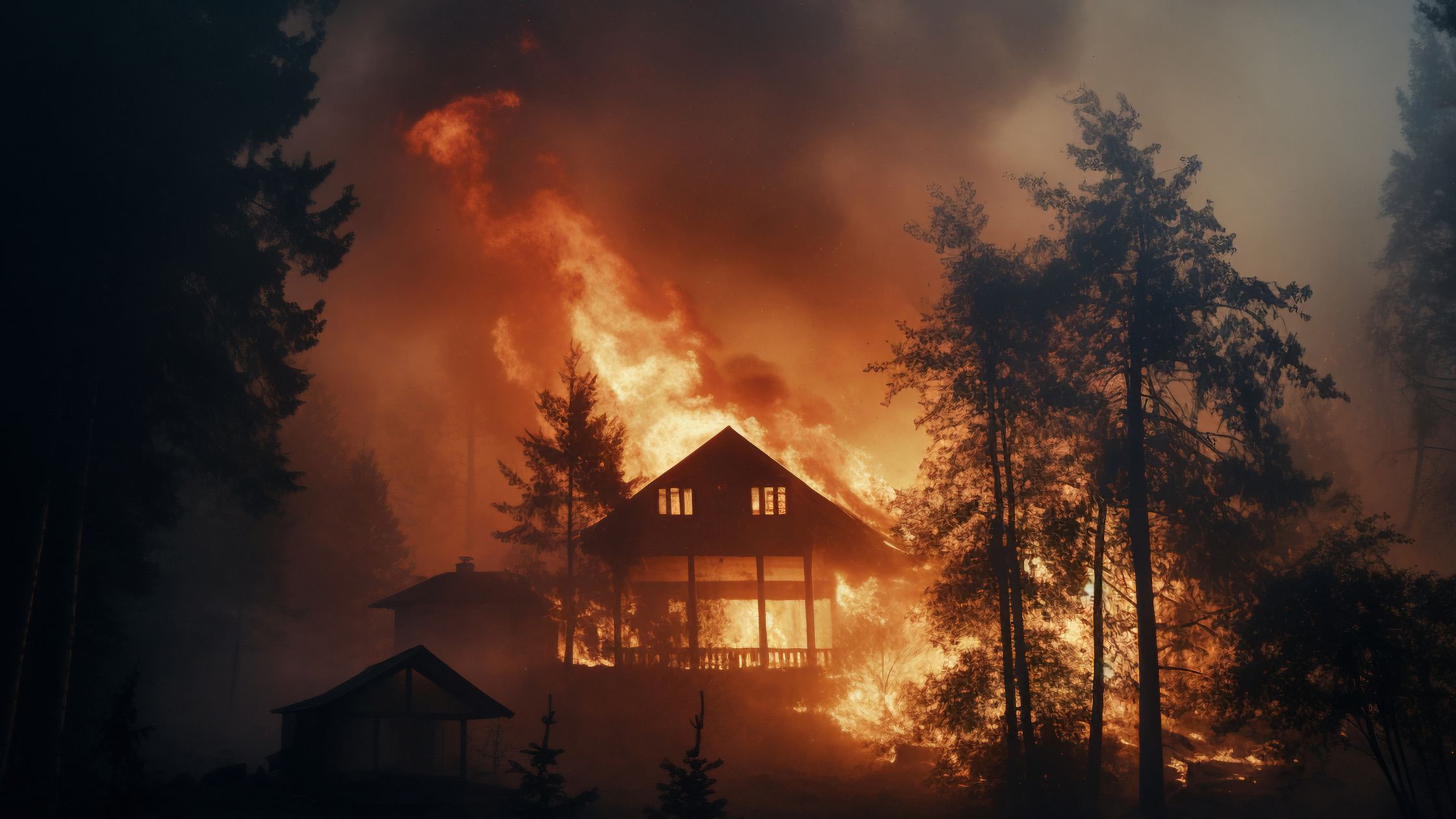


North County San Diego is home to some of the most wildfire-prone communities in all of California. From the rural landscapes of Ramona and Julian to the suburban-wildland interface of Escondido and Valley Center, defensible space clearance is not just a legal requirement but a survival necessity. Ember Pro provides dedicated defensible space services throughout North County San Diego, helping property owners navigate the unique challenges of this fire-vulnerable region.
Not sure which step to prioritize first? Our wildfire risk calculator shows your CAL FIRE zone and exposure level — so you know exactly where to start.
North County San Diego Communities
North County San Diego encompasses a diverse range of communities, each with distinct terrain, vegetation, and fire risk profiles:
Escondido
Escondido sits in a valley surrounded by hills covered in chaparral and coastal sage scrub. The city’s eastern and northern edges interface directly with wildland areas, and homes along Felicita Avenue, Bear Valley Parkway, and the eastern foothills face significant fire exposure. The Escondido Fire Department enforces vegetation management requirements, and properties in the WUI zones must maintain 100-foot defensible space.
Ramona
Ramona represents one of San Diego County’s highest-risk communities for wildfire. The 2003 Cedar Fire devastated the area, destroying hundreds of homes and burning over 273,000 acres. Many Ramona properties sit on large rural lots with extensive brush coverage, and the town’s inland location experiences extreme heat and low humidity during Santa Ana events. Defensible space requirements here are critical, and many properties require clearance well beyond the minimum 100 feet due to steep terrain and heavy fuel loads.
Alpine
Alpine’s location in the foothills east of San Diego places it squarely in the path of fire-driven by Santa Ana winds. The 2003 Cedar Fire burned through Alpine before reaching urban San Diego, and the community has been impacted by multiple fires since. Properties here often feature steep terrain, dense chaparral, and limited access roads. Alpine’s SDCFA fire station provides local enforcement of defensible space requirements.
Valley Center
Valley Center is an agricultural and rural community north of Escondido with large-lot properties surrounded by avocado groves, citrus orchards, and native chaparral. The mix of cultivated and wild vegetation creates complex fire behavior, and Valley Center properties require carefully planned defensible space that accounts for orchard management alongside brush clearance.
Fallbrook and Bonsall
Fallbrook and Bonsall are known for their avocado ranches and rural character. These communities experienced devastating losses during the 2007 Witch Creek and Rice Fires. Properties range from small residential lots to multi-acre agricultural parcels, each requiring tailored defensible space strategies. The steep terrain and wind corridors through De Luz and Rainbow add to the fire risk profile.
Julian and Pine Hills
Julian and the surrounding Pine Hills area sit at higher elevations with pine and oak woodland vegetation. Unlike the coastal sage scrub of lower-elevation communities, Julian’s fuel types include tall timber, dense understory, and accumulated pine needle litter. Defensible space work here involves different techniques, including ladder fuel removal, crown spacing, and needle rake programs.
Editor’s note: Your insurance situation depends heavily on your property’s actual fire exposure. Our free risk assessment factors in official CAL FIRE data to show what your risk level actually is — useful context before talking to your carrier.
Unique Challenges of North County Properties
North County San Diego properties present challenges not typically found in urban or suburban settings:
- Rural lots and large acreage: Many North County properties span 2 to 40+ acres, requiring commercial-scale vegetation management equipment and significantly more labor than standard residential lots
- Livestock considerations: Properties with horses, goats, chickens, and other livestock need defensible space plans that account for barn and corral locations, hay storage, and animal evacuation routes
- Steep terrain: Much of North County features steep hillsides, canyons, and ravines that accelerate fire spread and require specialized equipment for safe vegetation management
- Limited water supply: Some rural North County properties lack municipal water connections, relying on wells or water delivery. This limits irrigation for fire-resistant landscaping and eliminates hydrant access for firefighting
- Access road limitations: Many properties have narrow, winding access roads that challenge fire apparatus response and evacuation. Vegetation clearance along access roads is essential
- Mixed vegetation types: North County vegetation ranges from coastal sage scrub to chaparral to oak woodland to conifer forest, each requiring different management approaches
SDCFA Requirements
The San Diego County Fire Authority (SDCFA) enforces defensible space requirements for properties in unincorporated San Diego County, which includes most North County communities outside city limits:
- 100-foot clearance: Maintain defensible space within 100 feet of all structures or to the property line, whichever is less
- Zone 0 (0-5 feet): Non-combustible materials only around structures per AB 3074
- Zone 1 (5-30 feet): Lean, clean, green zone with spaced plants, pruned trees, irrigated landscaping where possible
- Zone 2 (30-100 feet): Reduced fuel zone with thinned vegetation, cleared dead material, and spaced trees
- Annual inspection: SDCFA conducts annual inspections from May through October in fire hazard severity zones
- Abatement enforcement: Non-compliant properties receive violation notices with 30-day remediation deadlines. Failure to comply results in county-performed abatement with costs billed to the property owner
Fire History
North County San Diego has been shaped by devastating wildfire events that underscore the importance of defensible space:
- 2003 Cedar Fire: The largest fire in California history at the time, burning 273,246 acres and destroying 2,820 structures. Ramona, Alpine, and Lakeside were heavily impacted. Many homes that survived had maintained defensible space
- 2007 Witch Creek Fire: Burned 197,990 acres during extreme Santa Ana winds, destroying 1,650 structures across North County including Ramona, Julian, Fallbrook, and Poway. Wind-driven embers traveled miles ahead of the fire front, proving that defensible space and home hardening together determine survival
- 2014 Cocos Fire: Burned through San Marcos and Escondido, destroying 36 structures and threatening thousands more. Defensible space was cited as the primary factor in home survival
- Ongoing fire seasons: North County experiences fire threats annually, with evacuation orders issued multiple times per year in communities like Ramona, Alpine, and Valley Center
Ember Pro North County Services
Ember Pro maintains dedicated North County crews equipped for the scale and terrain challenges of the region. Our North County services include:
- Large-acreage brush clearance: Commercial equipment including slope mowers, masticators, and chippers for efficient clearing of multi-acre properties
- Steep terrain specialists: Crews trained and equipped for hillside and canyon clearing with proper erosion control
- Agricultural property integration: Defensible space plans that integrate with orchard management, livestock areas, and agricultural operations
- Fire-resistant landscaping: Plant selection and installation suited to North County’s climate zones and soil types
- Annual maintenance programs: Scheduled clearing visits aligned with SDCFA inspection timelines
- Emergency pre-fire clearing: Rapid-response clearing during red flag warnings and fire threats
Costs for Large Properties
North County property clearing costs reflect the larger acreage and terrain challenges:
- Standard residential lot (under 1 acre): $1,500-$4,000 per clearing
- Small acreage (1-3 acres): $3,000-$8,000 per clearing
- Medium acreage (3-10 acres): $6,000-$18,000 per clearing
- Large acreage (10+ acres): $15,000-$40,000+ per clearing
- Steep terrain surcharge: 25-50% additional for properties requiring specialized equipment access
- Annual maintenance contract discount: 15-20% reduction with annual agreements
These are general costs. Your actual investment depends on your property’s fire zone, exposure level, and available grants or rebates.
Check my risk scoreVegetation Types
North County San Diego features several distinct vegetation communities, each requiring different management approaches:
- Coastal sage scrub: Found at lower elevations, this fire-adapted vegetation includes California sagebrush, buckwheat, and laurel sumac. It burns intensely but recovers quickly. Management focuses on thinning and spacing
- Chaparral: Dense, drought-adapted shrubland including chamise, manzanita, and ceanothus. Chaparral accumulates fuel load over decades and burns with extreme intensity. Regular clearing is essential
- Oak woodland: Coast live oaks with understory vegetation. Management focuses on removing ladder fuels and dead material while preserving the oak canopy
- Conifer forest (Julian area): Pine and cedar forest with accumulated needle litter. Management includes needle raking, crown spacing, and ladder fuel removal
- Grassland: Annual grasses that cure to flashy fuels each summer. Mowing and disking before fire season reduces fire spread potential
Frequently Asked Questions
How often should I clear my North County property?
Most North County properties require annual clearing before fire season (May-June). Properties with heavy chaparral or grassland may benefit from a second clearing in September before Santa Ana wind season. Ember Pro’s annual maintenance contracts ensure your property stays compliant year-round.
Can I burn brush on my property?
Burn permits are required and are only issued during specific windows by the San Diego County Air Pollution Control District. Burning is prohibited on high fire danger days. Chipping and hauling is usually more practical and consistent with compliance requirements.
What about protected species on my land?
North County properties may contain habitat for protected species including the California gnatcatcher, Quino checkerspot butterfly, and Stephens’ kangaroo rat. Ember Pro coordinates with local biologists when clearing work is near known habitat areas to ensure compliance with environmental regulations while maintaining fire safety.
Does defensible space help with insurance?
Yes. Documented defensible space maintenance is one of the most important factors in maintaining insurance coverage and qualifying for premium reductions. Ember Pro provides complete documentation packages for insurance verification.
Ember Pro provides professional defensible space clearance services throughout North County San Diego, from Escondido to Julian. Contact us today for your free property assessment and learn how our North County crews can protect your home, meet SDCFA requirements, and keep your insurance in place.
Curious about your property’s actual wildfire risk? Our free calculator shows your CAL FIRE zone, exposure level, and recommended next steps based on your address.
Get your free risk score