
The Santa Monica Mountains present some of the most complex defensible space challenges in all of Southern California. Stretching from Griffith Park west to Point Mugu, this rugged coastal range sits within the Santa Monica Mountains National Recreation Area and is home to thousands of residences tucked into steep canyons, ridgelines, and hillsides. Communities like Topanga, Malibu, Pacific Palisades, Brentwood hills, Mandeville Canyon, and Sullivan Canyon face an elevated wildfire threat due to dense native vegetation, extreme terrain, seasonal Santa Ana winds, and overlapping regulatory jurisdictions that make vegetation management uniquely difficult. Ember Pro provides specialized defensible space contracting services designed specifically for the challenges of Santa Monica Mountains properties.
Not sure which step to prioritize first? Our wildfire risk calculator shows your CAL FIRE zone and exposure level — so you know exactly where to start.
Why the Santa Monica Mountains Demand Specialized Contractors
Unlike flatter suburban properties in San Diego or the Inland Empire, homes in the Santa Monica Mountains often sit on steep, narrow lots accessible only by winding single-lane roads. Standard heavy equipment such as chippers, skid steers, and boom trucks frequently cannot reach the vegetation that needs to be cleared. Many mountain properties require hand crew operations where trained workers carry chainsaws, hand tools, and cut material down steep slopes on foot. This labor-intensive approach drives costs higher but is the only safe and effective method for many canyon and ridgeline lots.
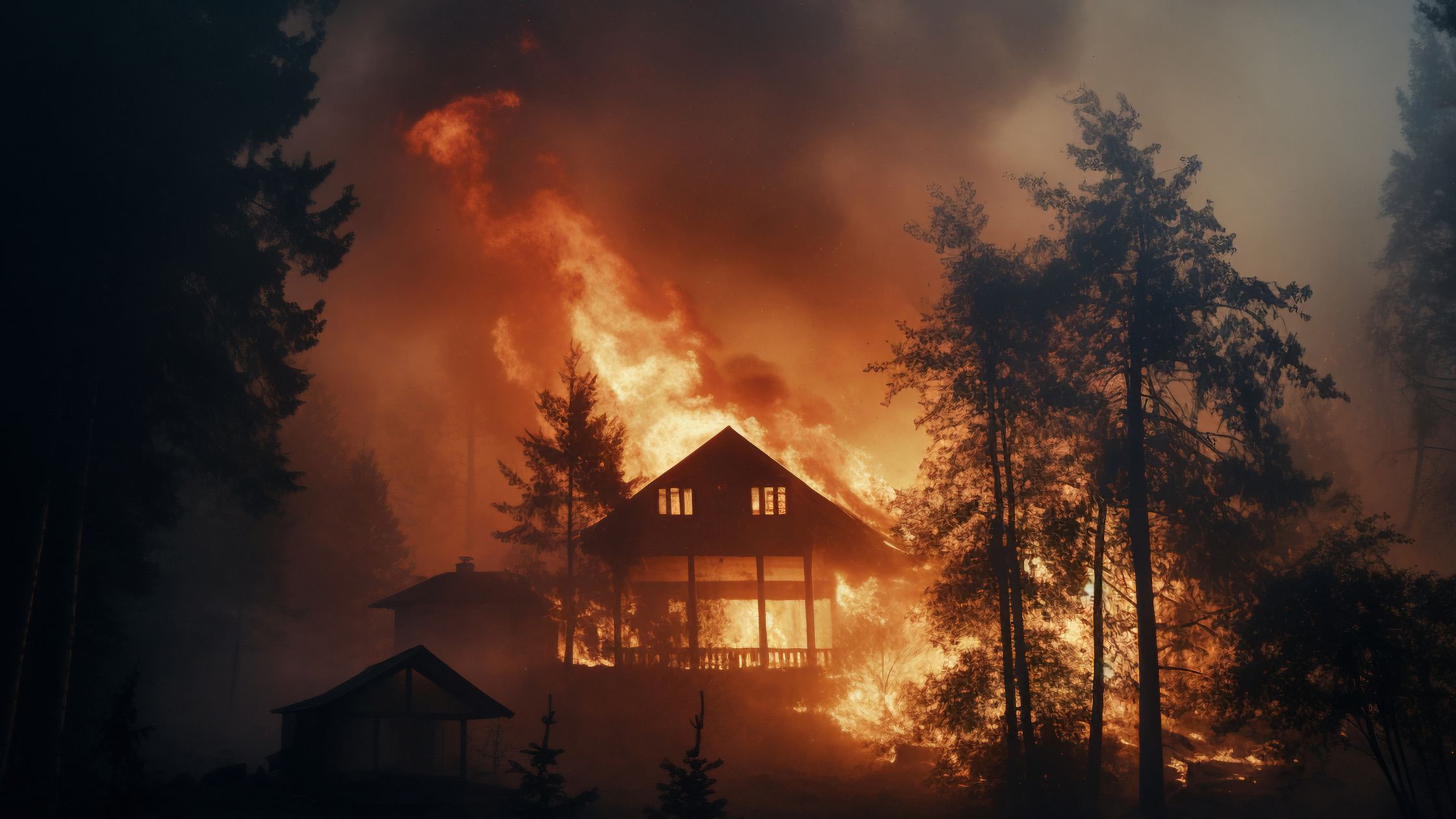
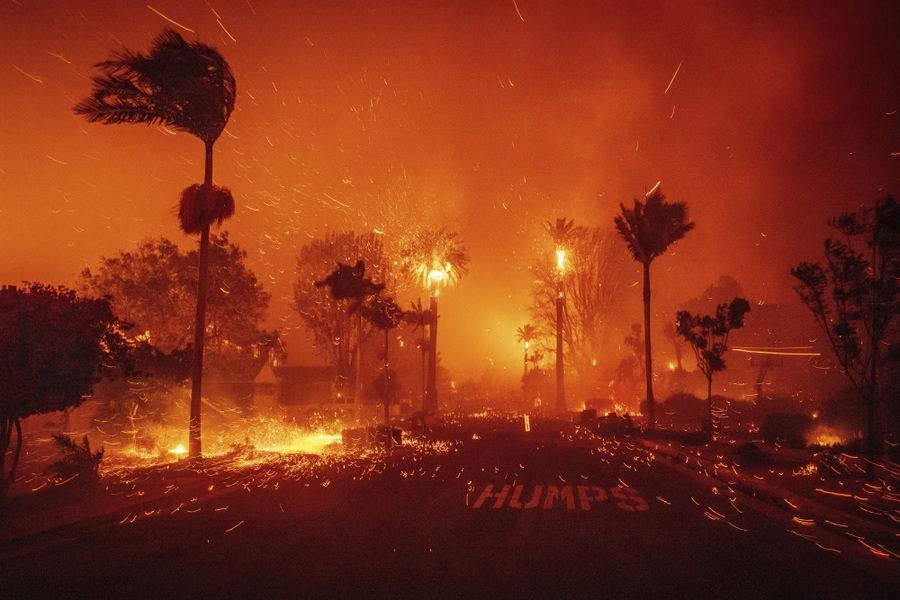
The terrain also creates unique fire behavior. Fires in the Santa Monica Mountains often race uphill through dense chaparral fueled by offshore Santa Ana winds, reaching structures in minutes. The 2018 Woolsey Fire burned nearly 97,000 acres across the range, destroying over 1,600 structures and killing three people. The Old Topanga Fire of 1993 burned 18,000 acres and destroyed 388 homes in the Topanga and Malibu area. More recently, the Palisades Fire demonstrated once again how quickly fire moves through these canyons when wind-driven flames threaten Pacific Palisades and surrounding communities. These fires underscore why professional defensible space management is not optional for mountain property owners.
Unique Vegetation Types in the Santa Monica Mountains
The Santa Monica Mountains support four primary vegetation communities, each requiring different management approaches for effective defensible space:
- Chaparral: Dense stands of chamise, ceanothus, manzanita, and toyon dominate south-facing slopes. Chaparral is extremely flammable when mature and produces intense crown fires. Proper management requires selective thinning and spacing rather than complete removal, especially on properties adjacent to National Park Service land.
- Coastal sage scrub: California sagebrush, buckwheat, and black sage characterize drier, lower-elevation areas. This vegetation type is classified as a sensitive habitat, meaning removal may require environmental review or permits depending on location.
- Oak woodland: Coast live oaks and valley oaks create shaded canopies in canyon bottoms and north-facing slopes. While oaks are relatively fire-resistant, accumulated leaf litter, dead branches, and ladder fuels beneath them must be managed carefully. Oak trees are protected under Los Angeles County ordinances, requiring permits for removal or significant pruning.
- Riparian areas: Streamside corridors with sycamores, willows, and native grasses require special permitting from agencies including the California Department of Fish and Wildlife and the Army Corps of Engineers before any vegetation work can proceed.
Ember Pro crews are trained to identify these vegetation communities and apply the appropriate management strategy for each, balancing fire safety with environmental protection requirements.
Navigating Environmental Permits and Regulations
One of the greatest challenges for defensible space work in the Santa Monica Mountains is the web of overlapping regulatory jurisdictions. Property owners may need to satisfy requirements from multiple agencies simultaneously:
- National Park Service (NPS): Properties within or adjacent to the Santa Monica Mountains National Recreation Area must coordinate with NPS for vegetation work that could affect park resources. NPS may restrict certain removal activities near parkland boundaries.
- California Coastal Commission: Properties within the Coastal Zone, which covers much of Malibu and portions of Pacific Palisades, may require Coastal Development Permits for significant vegetation removal. The Commission balances fire safety against habitat preservation and visual resource protection.
- LA County Fire Department: County fire code requires 200 feet of brush clearance from structures in designated hazard areas, exceeding the standard state requirement of 100 feet under PRC 4291.
- CAL FIRE: State compliance requirements under PRC 4291 and AB 3074 mandate specific zone-based vegetation management, including the strict Zone 0 ember-resistant zone within five feet of structures.
- City of Malibu and City of Los Angeles: Local municipal codes add additional requirements for protected trees, native vegetation, and grading on hillside properties.
Ember Pro handles permit coordination as part of our defensible space services, ensuring that vegetation management work complies with all applicable jurisdictions. Our team understands which agencies require notification, which activities trigger formal permits, and how to document work for regulatory compliance.
LA County vs. National Park Service: Overlapping Jurisdictions
Mountain property owners frequently encounter confusion about which set of rules applies to their land. LA County fire code often requires more aggressive vegetation clearance than what the National Park Service permits on adjacent federal land. A homeowner might be legally required by the county to clear 200 feet of brush while simultaneously being told by NPS that clearing within a buffer zone of the park boundary requires environmental review.
Ember Pro works with both agencies to find compliant solutions. In many cases, this means implementing a tiered approach: aggressive clearance within county-mandated zones closest to the structure, transitioning to selective thinning in areas where NPS or Coastal Commission restrictions apply. This layered strategy satisfies fire safety requirements while respecting environmental protections that preserve the ecological character of the Santa Monica Mountains.
Communities Served by Ember Pro in the Santa Monica Mountains
Ember Pro provides defensible space contracting services across the full range of the Santa Monica Mountains, including:
- Topanga: Canyon and ridgeline properties with dense chaparral, limited access, and high fire history. Many Topanga homes require hand crew operations due to steep terrain and narrow roads.
- Malibu: Coastal and canyon properties facing both wildfire and Coastal Commission oversight. Malibu properties often require multi-agency permit coordination.
- Pacific Palisades: Hillside homes in Palisades Highlands, Via de las Olas, and surrounding areas where recent fire events have heightened awareness of defensible space needs.
- Brentwood Hills: Upper Mandeville Canyon and Brentwood hillside properties backing into undeveloped open space with heavy fuel loads.
- Mandeville Canyon: Narrow canyon with limited egress, dense oak woodland, and significant wildland-urban interface exposure on both sides of the road.
- Sullivan Canyon: Remote canyon properties adjacent to open space trails and undeveloped parkland, requiring careful vegetation management along the wildland boundary.
Cost Ranges for Mountain Properties
Defensible space costs for Santa Monica Mountains properties typically exceed those of flatter suburban lots due to terrain access challenges, hand crew labor requirements, and permit coordination. Property owners should expect the following ranges:
- Initial clearance: $3,000 to $15,000 or more, depending on lot size, vegetation density, slope steepness, and equipment accessibility. Properties requiring full hand crew operations on steep terrain with dense mature chaparral will fall at the higher end of this range.
- Annual maintenance: $1,500 to $5,000 per year for ongoing vegetation management, including regrowth trimming, dead material removal, and zone compliance verification.
- Permit coordination: Additional costs may apply for properties requiring Coastal Commission permits, NPS coordination, or protected tree assessments.
While these costs are significant, they are modest compared to the financial consequences of wildfire damage. Insurance carriers increasingly require documented defensible space compliance as a condition of coverage in the Santa Monica Mountains, making professional vegetation management both a safety measure and an insurance necessity.
Editor’s note: Your insurance situation depends heavily on your property’s actual fire exposure. Our free risk assessment factors in official CAL FIRE data to show what your risk level actually is — useful context before talking to your carrier.
Ember Pro Services for Santa Monica Mountains Properties
Ember Pro delivers comprehensive wildfire defense services tailored to the unique challenges of the Santa Monica Mountains:
- Professional defensible space assessment and zone compliance audit per PRC 4291 and AB 3074
- Chaparral thinning and fuel modification using hand crews trained for steep terrain
- Oak woodland management with protected tree compliance
- Multi-agency permit coordination for Coastal Commission, NPS, and county requirements
- Home hardening integration with ember-resistant vent screening, deck and eave protection, and structural assessments
- Wildfire defense system installation including exterior sprinkler systems and fire-retardant application
- Annual maintenance programs with documented compliance reporting for insurance carriers
- Pre-fire-season brush clearance coordinated with LA County inspection schedules
Ember Pro understands that Santa Monica Mountains properties demand more than generic brush clearance. Our crews are experienced with the specific vegetation types, terrain challenges, and regulatory requirements that define wildfire defense in this unique landscape.
Seasonal Timing for Mountain Properties
Timing defensible space work in the Santa Monica Mountains is critical. The optimal window for major vegetation management is late winter through early spring, typically February through May, before fire season and after the rainy season allows easier soil work without erosion risk. This timing also aligns with nesting bird season restrictions, which can limit vegetation removal activities from March through August depending on species present.
A second maintenance window in early fall, September through October, allows property owners to address regrowth and remove accumulated dead material before the peak of Santa Ana wind season. Ember Pro recommends a spring primary service with a fall follow-up for comprehensive year-round protection.
Frequently Asked Questions
Do I need a permit to clear brush on my Santa Monica Mountains property?
It depends on your location and the type of vegetation. Properties within the Coastal Zone may require a Coastal Development Permit for significant vegetation removal. Properties adjacent to NPS land may need coordination with the Park Service. Protected oak trees require county permits for removal. Ember Pro handles all permit research and coordination as part of our service.
Why is defensible space more expensive in the mountains than in flat areas?
Mountain properties typically require hand crew labor rather than heavy equipment due to steep terrain and limited road access. The vegetation is often denser mature chaparral that requires more labor to thin. Multi-agency permit requirements add coordination costs. These factors combine to make mountain defensible space work more labor-intensive than suburban lot clearing.
How does the 200-foot LA County requirement differ from the state 100-foot rule?
LA County fire code requires 200 feet of brush clearance in designated Very High Fire Hazard Severity Zones, which includes most of the Santa Monica Mountains. This exceeds the state PRC 4291 requirement of 100 feet. Under current California wildfire laws, both requirements apply, and the more restrictive standard governs.
Can I clear vegetation on National Park Service land adjacent to my property?
Generally, no. Vegetation management on federal parkland requires NPS authorization. However, cooperative agreements exist between NPS and local fire agencies for fuel modification along the wildland-urban interface. Ember Pro can help facilitate coordination with NPS for properties adjacent to parkland.
What time of year should I schedule defensible space work?
The best window is February through May for primary clearance and September through October for maintenance. Nesting bird restrictions may apply from March through August. Scheduling early in the year ensures compliance before LA County fire inspections, which typically begin in June.
Will my insurance require defensible space documentation?
Increasingly, yes. Many insurers in the Santa Monica Mountains now require photographic documentation of defensible space compliance, professional inspection reports, or both as conditions of policy renewal. Ember Pro provides comprehensive documentation packages that satisfy insurance carrier requirements.
References
- California Public Resources Code Section 4291 (PRC 4291) – Defensible Space Requirements
- California Assembly Bill 3074 (AB 3074) – Zone 0 Ember-Resistant Zone
- LA County Fire Department – Fuel Modification Plan Guidelines
- National Park Service – Santa Monica Mountains National Recreation Area Fire Management Plan
- California Coastal Commission – Vegetation Management and Fuel Modification in the Coastal Zone
- CAL FIRE – Woolsey Fire Incident Report (2018)
- LA County Assessor – Oak Tree Preservation Ordinance
- California Department of Fish and Wildlife – Streambed Alteration Agreements
Related Articles
- Complete Guide to California Defensible Space Requirements
- Home Hardening for Wildfire Protection
- How Wildfire Mitigation Affects Your Insurance Coverage
- AB 3074 Compliance: Understanding Zone 0 Requirements
- Wildfire Defense Systems for High-Risk Properties
- California Wildfire Laws 2026: What Changed and How It Affects You
Ember Pro specializes in defensible space contracting for Santa Monica Mountains properties. From Topanga to Pacific Palisades, our crews understand the terrain, vegetation, and regulatory challenges unique to this landscape. Contact Ember Pro today for a professional defensible space assessment and customized wildfire defense plan for your mountain property.
Curious about your property’s actual wildfire risk? Our free calculator shows your CAL FIRE zone, exposure level, and recommended next steps based on your address.
Get your free risk score