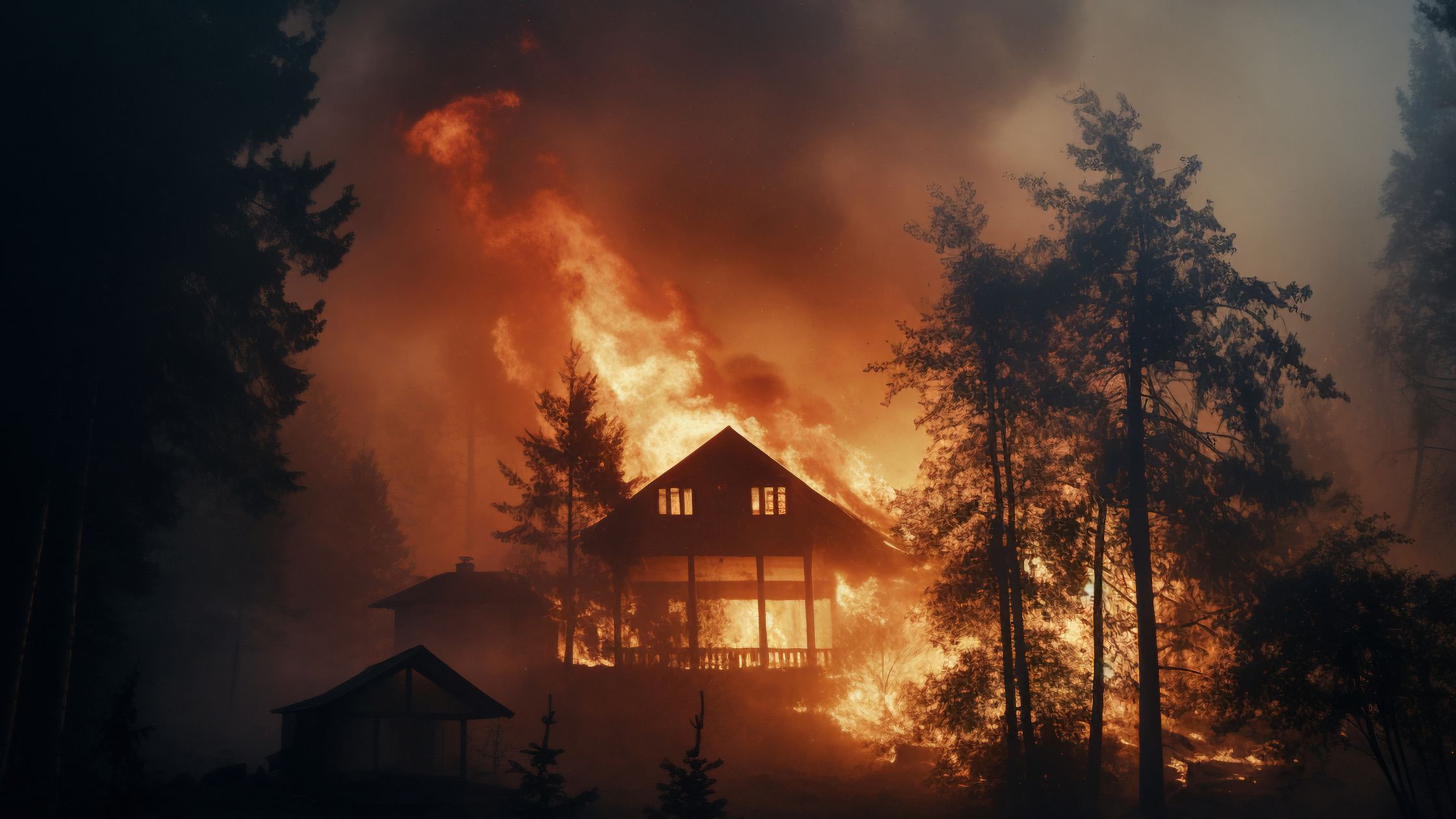

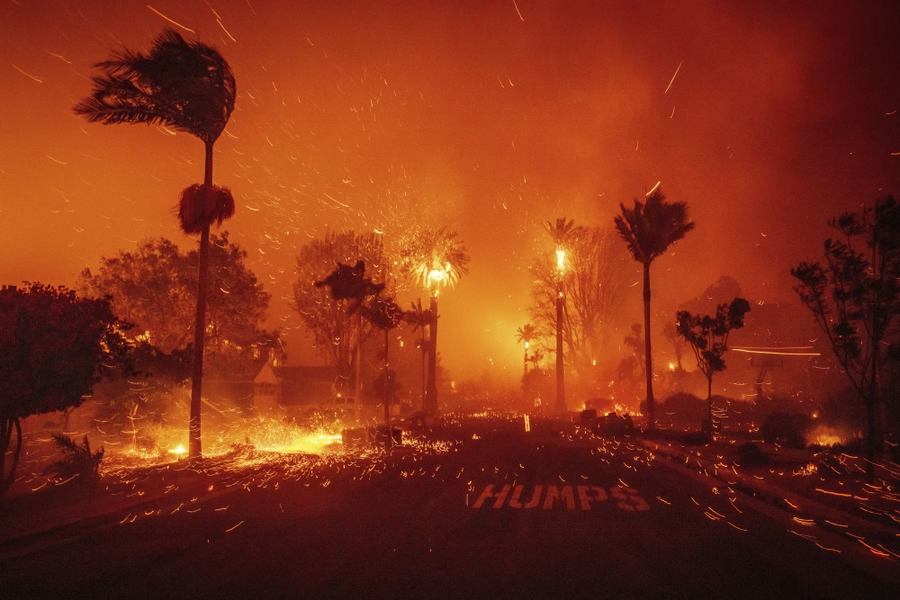
San Diego homeowners in wildfire-prone areas are increasingly searching for ember-resistant home retrofit contractors who can upgrade existing homes to withstand ember intrusion. Embers, not direct flame, cause the majority of home ignitions during wildfires. Wind-driven embers travel more than a mile ahead of the fire front, penetrating vents, lodging under eaves, and igniting combustible materials throughout your home’s exterior. A professional ember-resistant retrofit systematically eliminates these entry points, turning your existing home into a hardened structure that resists ignition. This guide covers every component of an ember-resistant retrofit, what it costs, and how to choose the right contractor in San Diego.
Not sure which step to prioritize first? Our wildfire risk calculator shows your CAL FIRE zone and exposure level — so you know exactly where to start.
What Ember-Resistant Retrofit Means
An ember-resistant retrofit upgrades your existing home’s exterior envelope to block ember intrusion and resist ignition from radiant heat. Unlike new construction built to current fire codes, older San Diego homes were constructed with materials and methods that leave dozens of vulnerabilities. Retrofit work targets every gap, vent, surface, and junction where embers can enter or ignite the structure.
Retrofitting works alongside defensible space management to create layered protection. Defensible space reduces fire intensity approaching your home, while the retrofit ensures embers that reach the structure cannot start a fire. Neither strategy is sufficient alone. Together they provide comprehensive wildfire defense.
Editor’s note: Your insurance situation depends heavily on your property’s actual fire exposure. Our free risk assessment factors in official CAL FIRE data to show what your risk level actually is — useful context before talking to your carrier.
Retrofit Components and Costs
Ember-Resistant Vents
Vents are the number one ember entry point. Standard quarter-inch mesh allows small embers to pass directly into attic spaces filled with combustible insulation and framing. Retrofitting requires replacing every exterior vent with 1/16-inch corrosion-resistant metal mesh screens or purpose-built ember-resistant vent assemblies that automatically close when exposed to heat.
Cost: $150 to $500 per vent installed. A typical San Diego home has 8 to 20 vents requiring upgrade. Total vent retrofit: $1,200 to $10,000.
Eave and Soffit Closure
Open eaves expose roof framing and sheathing directly to ember accumulation. Even homes with enclosed soffits may have vinyl panels that melt under heat, reopening the cavity. Retrofit involves boxing open eaves with non-combustible materials such as fiber cement board, stucco, or metal panels and replacing any vinyl soffits with fire-resistant alternatives.
Cost: $2,000 to $8,000 depending on home size and linear footage of exposed eave.
Class A Roofing
The roof is the largest surface exposed to airborne embers. Non-compliant roofing materials including wood shakes and degraded composition shingles must be replaced with Class A fire-rated assemblies. Options include concrete tile, clay tile, standing seam metal, and Class A composite shingles installed over fire-resistant underlayment.
Cost: $10,000 to $30,000 for full roof replacement depending on material and home size.
Dual-Pane Tempered Windows
Single-pane windows shatter under radiant heat, creating an open pathway for embers and flames to enter the home. Dual-pane tempered glass windows resist thermal shock and maintain integrity during fire exposure. Chapter 7A requires tempered glazing on all fire-exposed walls in Very High Fire Hazard Severity Zones.
Cost: $500 to $1,500 per window. Full home window retrofit: $6,000 to $20,000.
Non-Combustible Siding
Wood siding, vinyl siding, and other combustible exterior cladding ignite from radiant heat or direct ember contact. Retrofit options include fiber cement board such as James Hardie, stucco, stone veneer, and metal panel systems. Each provides ignition-resistant exterior protection that meets or exceeds Chapter 7A requirements.
Cost: $8,000 to $25,000 depending on home size and material selected.
Deck Hardening
Wooden decks are among the most vulnerable components during ember events. Embers collect between deck boards, accumulate under the deck surface, and lodge in the critical junction between the deck and the house wall. Retrofit options include replacing combustible decking with composite or non-combustible materials, installing metal flashing at the deck-wall junction, and clearing or enclosing the area beneath the deck.
Cost: $500 for flashing and gap sealing to $15,000 for complete deck replacement with fire-resistant materials.
Gutter Protection
Gutters collect leaves, pine needles, and organic debris that ignite instantly when embers land in them. Metal gutter guards with fine mesh screening prevent debris accumulation and ember ignition. Non-combustible metal gutters replace plastic or vinyl systems that melt and fail.
Cost: $500 to $2,500 for gutter guard installation.
Why San Diego Homes Need Ember-Resistant Retrofits
San Diego County sits in one of California’s most active wildfire corridors. Santa Ana wind events drive fires through established communities at extreme speeds, pushing embers far ahead of the flame front. The county includes extensive Very High Fire Hazard Severity Zones where thousands of homes were built before modern fire codes existed.
San Diego neighborhoods with the highest retrofit need include:
- Rancho Bernardo and Poway: Heavily impacted by the 2003 Cedar Fire and 2007 Witch Creek Fire with many homes still carrying original construction
- Scripps Ranch: Dense wildland-urban interface bordered by thick chaparral vegetation
- 4S Ranch and Rancho Santa Fe: High-value properties adjacent to open space preserves with significant ember exposure
- Alpine and Ramona: East County communities with extensive rural wildfire risk and older housing stock
- Del Mar Heights: Coastal canyon community where onshore and offshore wind patterns create complex fire behavior
Chapter 7A Compliance for Retrofits
California Building Code Chapter 7A establishes minimum construction standards for buildings in fire hazard severity zones. While Chapter 7A technically applies to new construction and qualifying renovations, proactive retrofitting to these standards provides the highest level of documented protection. Key Chapter 7A retrofit requirements include:
- Class A fire-rated roof assemblies with compliant underlayment
- Enclosed eaves and soffits using non-combustible materials
- 1/8-inch corrosion-resistant metal mesh on all exterior vents (Ember Pro recommends 1/16-inch for maximum protection)
- Dual-pane tempered glass windows on fire-exposed walls
- Ignition-resistant exterior wall coverings
- Non-combustible deck surfaces within Zone 0
How to Choose an Ember-Resistant Retrofit Contractor in San Diego
Selecting the right retrofit contractor requires more than checking a license number. Look for these qualifications:
- Wildfire specialization: The contractor should focus on wildfire mitigation, not general remodeling with fire upgrades as an afterthought
- CSLB licensing: Verify an active California State License Board license with appropriate classifications for the scope of work
- Chapter 7A expertise: The contractor should demonstrate detailed knowledge of fire code requirements and explain how each upgrade meets standards
- References from retrofit projects: Ask for references specifically from ember-resistant retrofit work, not general construction
- Comprehensive assessment capability: A qualified contractor evaluates every exterior component, not just the obvious vulnerabilities
- Insurance documentation: The contractor should provide complete documentation packages formatted for insurance submission
Ember Pro’s Retrofit Services in San Diego
Ember Pro USA delivers complete ember-resistant retrofit services for San Diego homeowners. Our process begins with a comprehensive vulnerability assessment that evaluates every exterior component of your home and identifies all ember entry points. We provide a prioritized retrofit plan with detailed costs, allowing homeowners to phase improvements based on budget and risk priority.
Ember Pro’s San Diego retrofit services include:
- Full vent replacement with ember-resistant assemblies
- Eave and soffit enclosure with non-combustible materials
- Class A roofing installation and underlayment upgrades
- Dual-pane tempered window installation
- Deck hardening and deck-wall junction flashing
- Non-combustible siding installation
- Gutter guard and gutter replacement
- Home hardening coordination with defensible space management
- Wildfire defense system integration for maximum protection
- Complete insurance documentation with before-and-after photography and compliance verification
Insurance Benefits of Retrofitting
Documented ember-resistant retrofitting directly impacts your ability to maintain wildfire insurance coverage in San Diego. Insurance carriers evaluate roof fire rating, vent screening compliance, eave enclosure status, deck construction materials, and overall structural hardening when making underwriting decisions. Homeowners with documented Chapter 7A-level retrofitting are significantly more likely to maintain coverage, may qualify for premium reductions of ten to twenty percent, and can access private market options instead of the FAIR Plan.
Start with the Ember Pro Risk Calculator to understand your property’s wildfire exposure and get recommendations for priority retrofit upgrades.
Frequently Asked Questions
How much does a full ember-resistant retrofit cost in San Diego?
Full retrofits range from $10,000 for targeted upgrades such as vents and eave closure to $30,000 or more for comprehensive retrofits including roof, windows, siding, and deck replacement. Most homeowners phase work over two to three years starting with the highest-risk components.
What is the most important retrofit upgrade?
Ember-resistant vent replacement provides the highest protection per dollar spent. Vents are the primary pathway for ember intrusion into attic spaces where fires start undetected. Vent retrofit should be the first priority for every San Diego homeowner in a fire hazard zone.
Is Chapter 7A compliance required for existing homes?
Chapter 7A currently applies to new construction and major renovations. However, proactive retrofitting to these standards is strongly recommended and may become mandatory under future California wildfire legislation. Documenting Chapter 7A-level upgrades also supports insurance applications.
How long does an ember-resistant retrofit take?
Targeted retrofits addressing vents, eaves, and gutters can be completed in one to two weeks. Comprehensive retrofits including roof and window replacement typically take four to eight weeks. Ember Pro provides detailed project timelines with every proposal.
Can I do retrofit work myself?
Some tasks like vent screen replacement are within DIY capability. However, eave enclosure, roofing, window replacement, and siding work require licensed contractors to ensure code compliance, warranty coverage, and proper insurance documentation.
Will retrofitting help me keep my homeowners insurance?
Yes. Documented ember-resistant retrofitting is one of the most effective ways to maintain insurance coverage in San Diego’s tightening market. Ember Pro’s documentation packages are formatted specifically for insurance underwriter review.
What neighborhoods in San Diego have the highest retrofit need?
Rancho Bernardo, Scripps Ranch, 4S Ranch, Rancho Santa Fe, Alpine, Ramona, Poway, and Del Mar Heights have the highest concentration of homes needing ember-resistant retrofits due to WUI exposure, vegetation density, and older construction methods.
How do I get started with an ember-resistant retrofit?
Start with the free Ember Pro Risk Calculator to assess your property’s wildfire exposure. Then contact Ember Pro for a comprehensive on-site vulnerability assessment. We will evaluate every component of your home and provide a prioritized retrofit plan with transparent pricing.
Ember Pro USA is San Diego’s trusted ember-resistant retrofit contractor. Contact us today at emberprousa.com for a free vulnerability assessment and protect your home from ember intrusion before the next wildfire season.
Curious about your property’s actual wildfire risk? Our free calculator shows your CAL FIRE zone, exposure level, and recommended next steps based on your address.
Get your free risk score