

By Jim Sprouse, Co-founder of Ember Pro | NFPA Certified Wildfire Mitigation Specialist
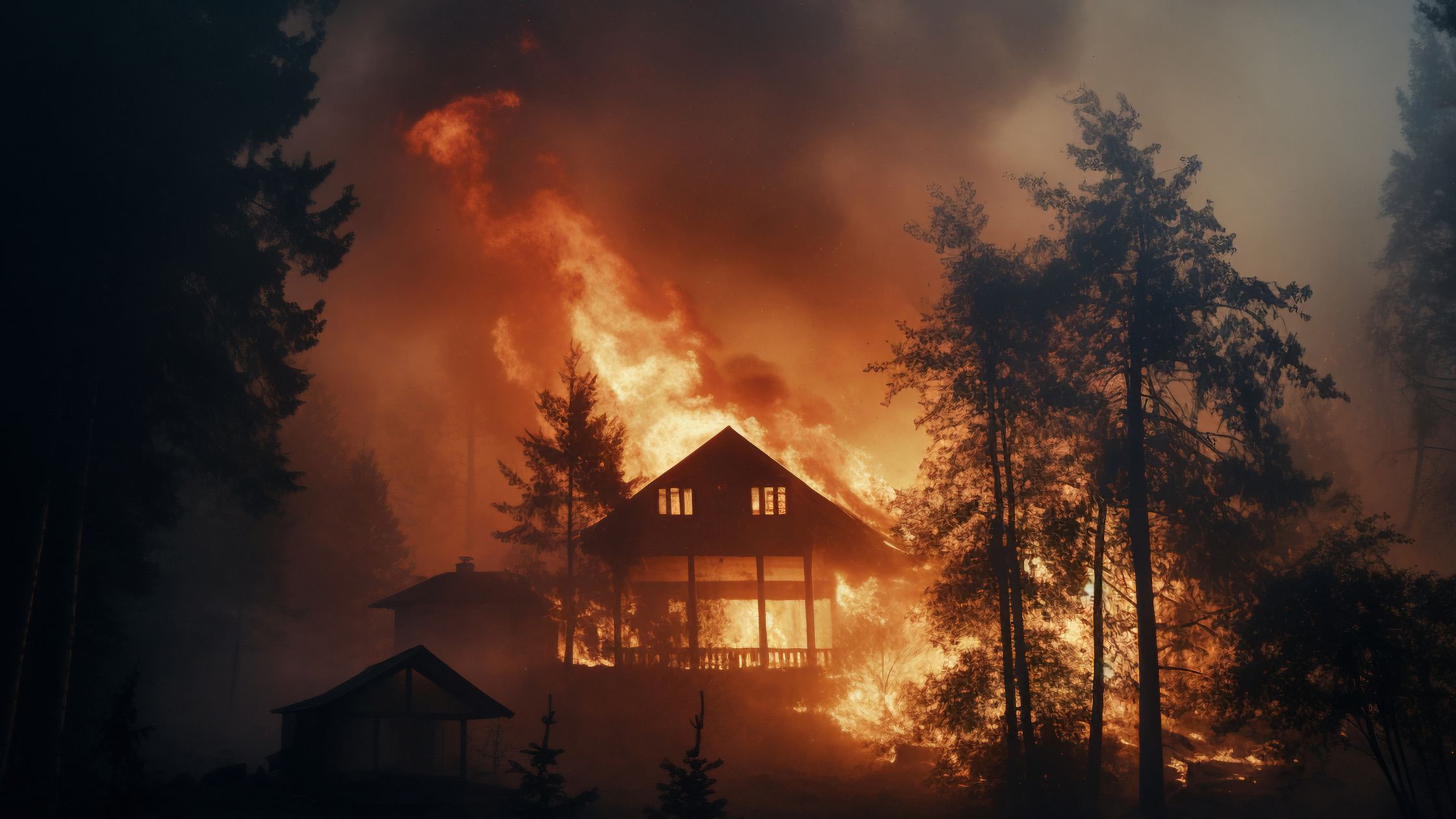
Your garage door is the single largest opening on your home. A standard two-car garage door is 16 feet wide and 7 feet tall, creating 112 square feet of potential wildfire entry. During high winds, embers are pushed under and around garage doors through gaps as small as a quarter inch. Once inside, they find gasoline, paint, cardboard, wood shelving, and other highly combustible materials. Garage fires spread to the main structure rapidly through the shared wall and ceiling.
Curious about your property’s actual wildfire risk? Our free calculator shows your CAL FIRE zone, exposure level, and recommended next steps based on your address.
Get your free risk scoreWhy Garages Are High-Risk
- Largest opening on the home. More surface area than all your vents combined.
- Bottom seal gaps. The rubber seal at the bottom of garage doors degrades over time, creating gaps where embers enter.
- Side and top gaps. Wind-driven embers enter through gaps between the door and frame.
- Combustible contents. Gasoline, propane, paint, solvents, cardboard boxes, wood workbenches, paper goods. A garage is a fuel depot.
- Shared wall with living space. Garage fires spread to the main home through the connected wall and attic access.
Garage Door Types and Fire Resistance
Steel Garage Doors
Best option for wildfire zones. Noncombustible, durable, available in insulated versions. Modern steel doors offer good aesthetics and can mimic wood grain patterns. Cost: $800 to $2,500 installed.
Aluminum Garage Doors
Noncombustible and lightweight. Lower melting point than steel but still significantly better than wood. Good for contemporary designs. Cost: $1,000 to $3,000 installed.
Wood Garage Doors
Combustible. Common in older California homes and upscale neighborhoods. If replacement is not feasible, treat with fire retardant and ensure all gaps are sealed. Cost to replace with steel: $1,500 to $3,500.
Fiberglass Garage Doors
Not recommended for fire zones. Melts and burns. Replace with steel.
Not sure which step to prioritize first? Our wildfire risk calculator shows your CAL FIRE zone and exposure level — so you know exactly where to start.
How to Harden Your Garage Against Wildfire
- Replace the bottom seal. Install a new, tight-fitting neoprene or rubber bottom seal. This is the number one ember entry point. Cost: $20 to $50 DIY.
- Add weatherstripping to sides and top. Seal gaps between the door and frame with fire-resistant weatherstripping. Cost: $30 to $80 DIY.
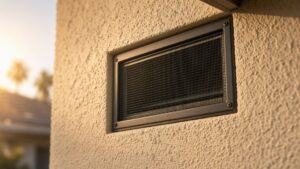
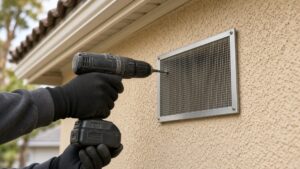
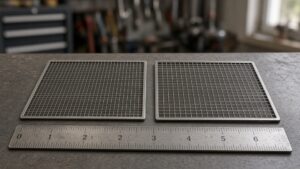
- Install ember-resistant garage door vents. If your garage has vents, screen them with 1/16-inch stainless steel mesh.
- Replace wood doors with steel. If your door is wood or fiberglass, replace with an insulated steel door.
- Clear combustibles near the door. Move gasoline, propane, paint, and other flammable materials to a detached storage area or metal cabinet.
- Check the garage-to-house wall. Ensure the shared wall has proper fire separation. The door between garage and living space should be solid core or fire-rated.
- Address the garage attic access. If there is an attic access hatch in the garage ceiling, ensure it has a fire-rated cover.
The Bottom Seal: Your Easiest Win
The single most impactful garage hardening improvement costs under $50 and takes 30 minutes. A new, tight-fitting bottom seal closes the gap where embers enter during wind events. Check your current seal by closing the door and looking for daylight underneath. Any visible gap is an ember pathway.
Replace the seal annually or whenever you see gaps, cracks, or deterioration.
What to Store and What to Remove
Reduce the fuel load inside your garage:
- Remove or contain: Gasoline (store in detached shed), propane tanks (store outside, 10+ feet from structure), paint and solvents (metal cabinet), cardboard boxes (replace with plastic bins)
- Keep: Metal shelving instead of wood, fire extinguisher (mounted near the door to living space), tools in metal toolboxes
- Never store: Firewood in the garage. It is both fuel and an ember catcher.
Garage Door and Insurance
Insurance inspectors increasingly evaluate garage doors during wildfire risk assessments. A steel door with proper seals demonstrates home hardening commitment. Document your garage improvements with photos for your insurance records.
Check your wildfire risk score free at risk.emberprousa.com
Editor’s note: Your insurance situation depends heavily on your property’s actual fire exposure. Our free risk assessment factors in official CAL FIRE data to show what your risk level actually is — useful context before talking to your carrier.
Frequently Asked Questions
Is my garage door a wildfire risk?
If it has gaps at the bottom, sides, or top, or if it is made of wood or fiberglass, yes.
What is the cheapest garage improvement?
A new bottom seal for $20 to $50. Closes the biggest ember entry point in minutes.
Should I replace my wood garage door?
In fire zones, yes. Steel doors are noncombustible and cost $800 to $2,500 installed.
Can embers really get under a garage door?
Absolutely. During high-wind events, embers are pushed through gaps as small as a quarter inch.
What about the door between garage and house?
It should be solid core or fire-rated. This is your last line of defense if the garage ignites.
Should I store my car in the garage during fire season?
Yes. Your car is safer inside than outside where embers can ignite it. But keep the garage clear of other combustibles.
Next Steps
Close your garage door and look for daylight at the bottom and sides. If you see gaps, replace the seals this weekend. Then check your wildfire risk score for a full property assessment.
Protect. Defend. Preserve.
References
- IBHS Wildfire Prepared Home
- CAL FIRE Home Hardening Guidelines
- California Building Code Chapter 7A
- NFPA Garage Fire Safety