
By Jim Sprouse, Co-founder of Ember Pro | NFPA Certified Wildfire Mitigation Specialist | BS Environmental Studies, Ecology
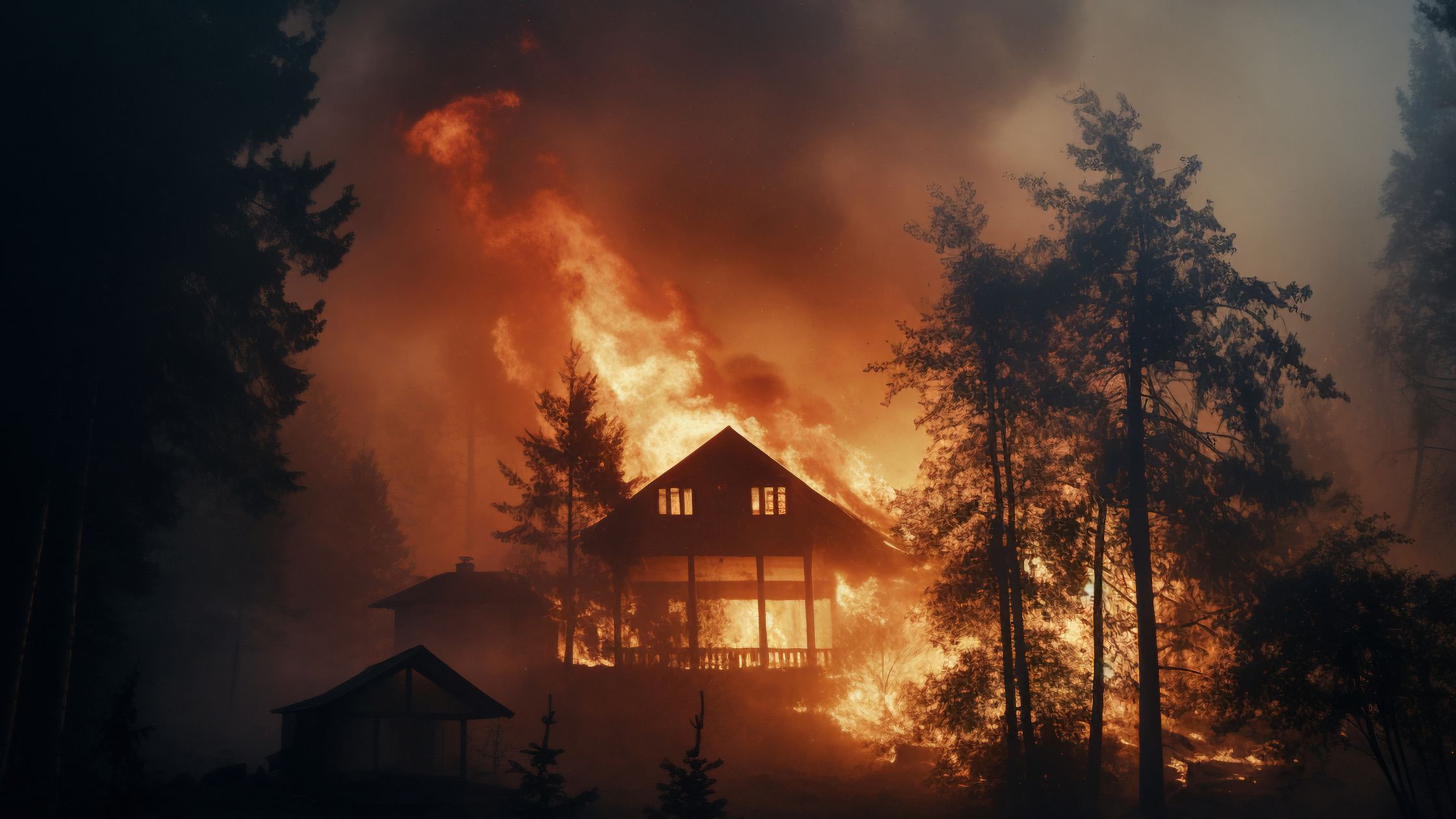
The plants around your California home can either protect it from wildfire or fuel its destruction. Choosing fire-resistant plants is not about having a barren landscape. It is about selecting species that resist ignition, retain moisture, and create defensible space that slows fire and protects your home.
Curious about your property’s actual wildfire risk? Our free calculator shows your CAL FIRE zone, exposure level, and recommended next steps based on your address.
Get your free risk scoreWhat Makes a Plant Fire Resistant?
No plant is fireproof. But fire-resistant plants share specific characteristics that make them far less likely to ignite and spread fire:
- High moisture content. Succulent, fleshy leaves that retain water are harder to ignite.
- Low oil and resin content. Plants with aromatic oils like eucalyptus, juniper, and rosemary are highly flammable. Avoid these near structures.
- Deciduous over evergreen. Deciduous plants drop leaves seasonally, reducing year-round fuel. Evergreens maintain dry foliage year-round.
- Low growth habit. Groundcovers and low shrubs do not create ladder fuels that carry fire into tree canopies.
- Open branching structure. Plants with open, airy branching patterns do not accumulate dense dead material.
Plants to AVOID Near Your Home
These common California landscape plants are highly flammable and should not be planted within 30 feet of structures:
- Eucalyptus: Extremely flammable. Oil-rich bark and leaves. Sheds bark that creates ground fuel. The single worst tree to have near a home in a fire zone.
- Monterey pine: Resinous needles and bark. Drops highly flammable needle litter.
- Juniper: Oil-rich foliage ignites explosively. One of the most dangerous ornamental plants in fire zones.
- Italian cypress: Dense, columnar shape traps dead foliage. Burns like a torch when dry. Extremely common in California landscapes and extremely dangerous.
- Pampas grass: Dead plumes are highly flammable ember catchers.
- Rosemary (large plantings): Oil-rich foliage. Small herb garden is fine, but large hedges near structures are a hazard.
- Acacia: Highly flammable when dry.
- Mugo pine: Dense resinous needles.
Wondering if your property is in a high-risk fire zone? Check your wildfire risk score to see your CAL FIRE zone and exposure level based on your address.
Fire-Resistant Plants for Zone 0 (0-5 Feet)
Zone 0 should be hardscape only per AB 3074. No plants. Use gravel, pavers, concrete, decomposed granite, or stone. This is not a landscaping zone, it is an ember-resistant buffer.
Fire-Resistant Plants for Zone 1 (5-30 Feet)
Zone 1 allows plants but requires careful selection and spacing. Choose fire-resistant species spaced to prevent continuous fuel:
Groundcovers
- Ice plant (Delosperma, Drosanthemum) – succulent, high moisture, excellent fire resistance
- Creeping thyme – low growing, aromatic but low oil, stays green
- Dymondia margaretae – drought tolerant, stays flat, good between pavers
- Native yarrow (Achillea) – drought tolerant, stays low
Shrubs
- California lilac (Ceanothus) – native, drought tolerant, moderate fire resistance when maintained
- Toyon (Heteromeles arbutifolia) – native, fire adapted, high moisture content
- Coffeeberry (Frangula californica) – native, moderate moisture, open structure
- Sage (Salvia clevelandii) – low oil variety, native, attracts pollinators
- Manzanita (low-growing varieties only) – fire adapted but space generously
Trees (Spaced 10+ Feet Apart)
- Coast live oak (Quercus agrifolia) – native, fire resistant, high moisture content
- California sycamore – deciduous, high moisture, thick bark
- Western redbud – deciduous, small, fire resistant
- California bay laurel – native, moderate fire resistance
Not sure which step to prioritize first? Our wildfire risk calculator shows your CAL FIRE zone and exposure level — so you know exactly where to start.
Fire-Resistant Plants for Zone 2 (30-100 Feet)
Zone 2 is more flexible but still requires fuel reduction. Space trees 12 feet apart minimum. Remove dead material regularly. Good Zone 2 choices include native grasses (maintained short), widely spaced oaks, and native shrubs with regular pruning.
Landscaping Maintenance for Fire Season
- Remove all dead plants, branches, and leaves before fire season
- Prune trees to 6-10 feet above ground to eliminate ladder fuels
- Space shrubs at 2x their mature height apart
- Keep grass mowed to 4 inches or less
- Remove leaf litter and needle drop regularly
- Irrigate Zone 1 plants to maintain moisture content during dry season
- Replace mulch with gravel or rock within 5 feet of the home
The Irrigation Factor
Even fire-resistant plants become flammable when they are dead or drought-stressed. In California fire zones, maintaining irrigation for landscape plants near your home is a fire safety measure, not just an aesthetic choice. Green, hydrated plants resist ignition. Brown, dry plants are fuel.
Consider drip irrigation for Zone 1 plants to maintain moisture without wasting water. Smart irrigation controllers can adjust based on weather and soil moisture.
Check your wildfire risk score free at risk.emberprousa.com
Editor’s note: Your insurance situation depends heavily on your property’s actual fire exposure. Our free risk assessment factors in official CAL FIRE data to show what your risk level actually is — useful context before talking to your carrier.
Frequently Asked Questions
Are succulents fire resistant?
Yes. Their high moisture content makes them among the most fire-resistant plants available. Excellent for Zone 1.
Is eucalyptus really that dangerous?
Yes. Eucalyptus is arguably the most dangerous landscape tree in California fire zones. Oil-rich, sheds bark, and burns intensely.
Can I have a lawn in a fire zone?
Green, irrigated lawn is actually fire resistant. Brown, dead lawn is fuel. If you maintain irrigation, lawn in Zones 1-2 is fine.
What about native plants?
Many California natives are well-adapted to fire. Some resprout after burning. They are generally good choices when properly spaced and maintained.
Should I remove all trees near my home?
No. Well-spaced, properly pruned trees with fire-resistant characteristics are fine. The goal is spacing and maintenance, not removal.
Can landscaping affect my insurance?
Yes. Defensible space landscaping is increasingly evaluated by insurers. Proper fire-resistant landscaping supports coverage.
What about artificial turf?
Artificial turf does not burn like vegetation but it can melt. It is better than dead grass but not a substitute for hardscape in Zone 0.
Does Ember Pro help with landscaping plans?
Yes. We include defensible space landscaping recommendations as part of our home hardening assessments.
Next Steps
Walk your property and identify any highly flammable plants within 30 feet of your home. Prioritize removing Italian cypress, juniper, and eucalyptus. Then check your wildfire risk score for a complete assessment.
Protect. Defend. Preserve.
References
- UC Davis Fire-Resistant Plants for California
- CAL FIRE Defensible Space Landscaping
- IBHS Wildfire Prepared Home
- California Native Plant Society
- UC ANR Fire Network