

Do Ember Resistant Vents Reduce Airflow? What Southern California Homeowners Need to Know
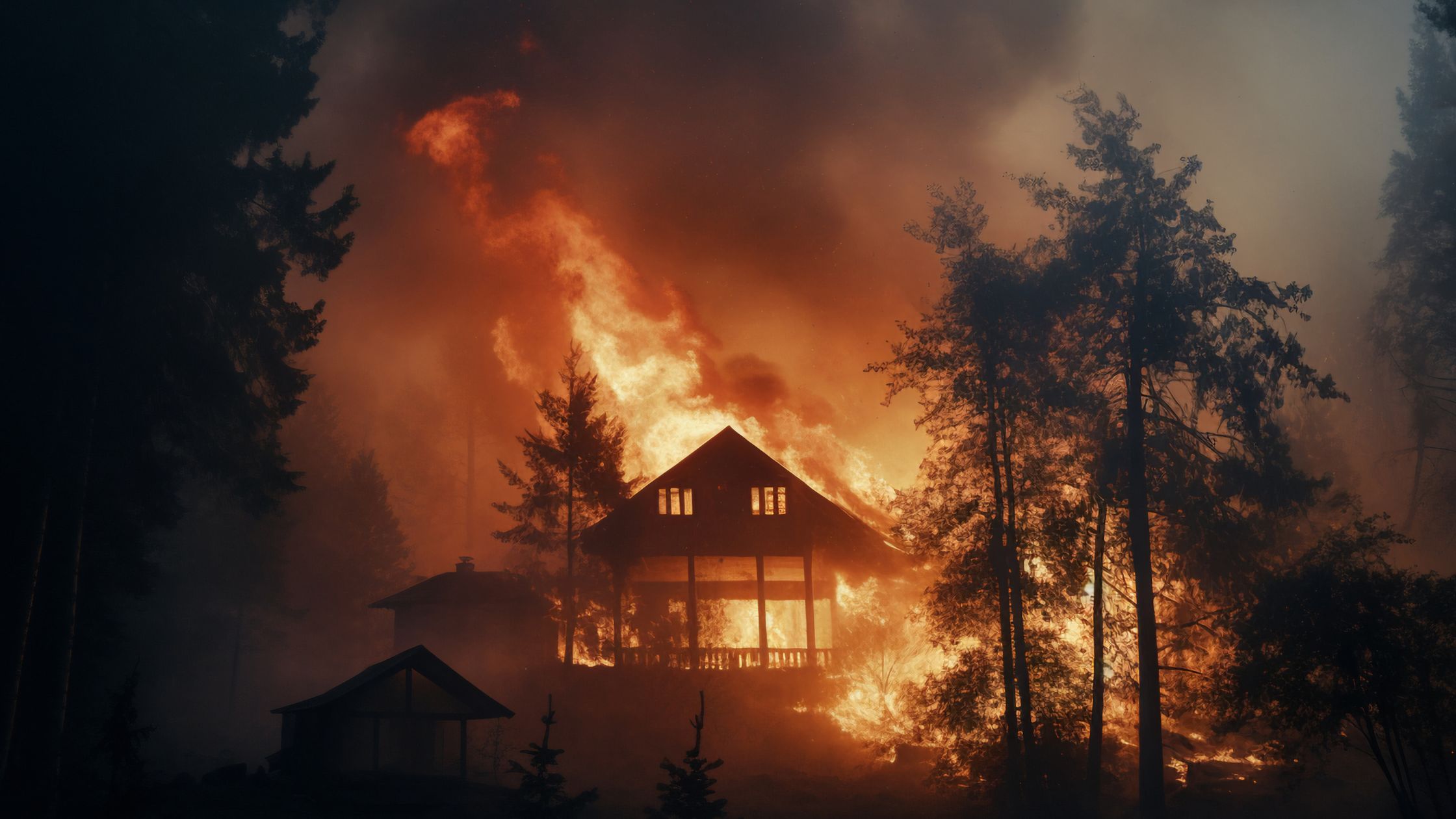
If you’re a homeowner in San Diego, Los Angeles, Orange County, or Riverside County, chances are you’ve been told—or you’ve already figured out—that your vents are one of the most vulnerable points on your home during a wildfire. Embers travel miles ahead of the fire front, and they’re looking for a way in. Your attic vents, crawl space vents, soffit vents, and eave vents are open invitations.
So the logical next step is to upgrade to ember resistant vents. But then comes the question I hear from homeowners almost every week: “If I install ember resistant vents, will they reduce airflow to my attic or crawl space?”
It’s a fair question. You don’t want to solve one problem—wildfire ember intrusion—by creating another, like moisture buildup, mold, or overheating in your attic. I’m Jim Sprouse, CEO and co-founder of Ember Pro USA, and I want to give you a straight answer based on what we’ve seen in the field across thousands of installations throughout Southern California.
Curious about your property’s actual wildfire risk? Our free calculator shows your CAL FIRE zone, exposure level, and recommended next steps based on your address.
Get your free risk scoreThe Short Answer: Yes, Slightly—But It’s Rarely a Problem
Ember resistant vents use a finer mesh than standard vents. Standard vents typically have 1/4-inch openings. Ember resistant vents use either 1/8-inch or 1/16-inch mesh, depending on the product and the level of protection you need.
Finer mesh means slightly less open area for air to pass through. That’s just physics. But the key word is slightly. Here’s what the numbers actually look like:
- 1/8-inch mesh: approximately 75% net free area (airflow capacity)
- 1/16-inch mesh: approximately 71% net free area
That’s roughly a 4-percentage-point difference between the two mesh sizes, and both are well within the range that provides adequate ventilation for the vast majority of homes. According to research from UC Agriculture and Natural Resources, the finer 1/16-inch mesh uses thinner wire, which partially offsets the reduced opening size.
In our experience at Ember Pro USA, the slight reduction in airflow from ember resistant vents has never caused a ventilation problem that couldn’t be easily addressed. Most homes—especially older homes built before precise ventilation calculations became standard—already have more than enough vent area to accommodate the modest reduction.
Not sure which step to prioritize first? Our wildfire risk calculator shows your CAL FIRE zone and exposure level — so you know exactly where to start.
Why 1/8-Inch Mesh Is Only 75% Effective at Stopping Embers
Here’s something a lot of homeowners don’t realize, and it’s important: 1/8-inch mesh is only about 75% effective at stopping embers from entering your home. That means one out of every four embers that hits your vent could still get through.
That statistic is why my co-founder Ryan Kresan and I are strong advocates for 1/16-inch mesh or purpose-built ember resistant vent products like Vulcan Vents and Brandguard. These products use combinations of fine mesh, baffles, and interlocking designs that go well beyond what a single layer of 1/8-inch screen can do.
Think of it this way: during the 2003 Cedar Fire, the 2007 Witch Creek Fire, and the more recent wildfires across LA and San Diego counties, homes weren’t destroyed by the fire front reaching their walls. They were destroyed by embers—tiny burning projectiles that found their way into attics and crawl spaces through standard vents. A vent that lets 25% of embers through is better than nothing, but it’s not what I’d call peace of mind.
What About the Airflow Difference Between 1/8″ and 1/16″ Mesh?
Some homeowners ask whether the jump from 1/8-inch to 1/16-inch mesh creates a meaningful airflow problem. The data says no. You’re looking at roughly 75% net free area versus 71% net free area. That 4% difference is negligible in real-world conditions.
Where you do want to pay attention is with debris accumulation. Finer mesh can collect more dust, leaves, and particulate matter over time, which is why we recommend regular inspections to make sure your vents stay clear. This is one of the things we check during our free 10-point wildfire home inspection—because a clogged vent defeats the purpose of having good ventilation in the first place.
How Proper Attic Ventilation Works (and Why Ember Vents Don’t Break It)
To understand why ember resistant vents don’t cause ventilation problems, it helps to understand how attic ventilation works in the first place.
Your attic relies on a combination of intake vents (usually in the soffits or eaves) and exhaust vents (usually along the ridge or through roof-mounted vents). Cool air enters through the intake, warm air rises and exits through the exhaust. This convection cycle keeps your attic temperature regulated, prevents moisture buildup, and extends the life of your roofing materials.
The International Residential Code requires a minimum ventilation ratio of 1:150 (1 square foot of net free ventilation area for every 150 square feet of attic floor space), which can be reduced to 1:300 when intake and exhaust are properly balanced. Most homes have ventilation well above these minimums.
When we install ember resistant vents, we’re replacing the existing vent openings with products that maintain most of that net free area. If a home is borderline on ventilation—which is rare—we simply add an additional vent or two to compensate. It’s a straightforward fix that takes maybe an hour of extra work.
What We Actually See in the Field
At Ember Pro USA, we’ve retrofitted vents on homes across San Diego, Los Angeles, Orange County, and Riverside County. We hold CSLB License #1142407, and we take our installations seriously because we know lives and property depend on them.
Here’s what we consistently find:
- Most homes have excess ventilation capacity. They were built with more vent area than code requires, which means the slight reduction from finer mesh has zero practical impact.
- Homes with inadequate ventilation usually had the problem before we arrived. When we encounter a home that’s under-ventilated, it’s almost always a pre-existing condition—not something our vent upgrade caused.
- Adding a vent is cheap and easy. If we determine during installation that a home needs more ventilation area to compensate, adding an extra vent is one of the simplest modifications in home construction.
Ryan and I built this company because we believe every home in a wildfire-prone area deserves professional-grade protection. But we also believe in being honest with our clients: ember resistant vents are not a magic shield. They’re one critical component of a comprehensive wildfire defense strategy that includes defensible space, fire-resistant building materials, and regular maintenance.
Editor’s note: Your insurance situation depends heavily on your property’s actual fire exposure. Our free risk assessment factors in official CAL FIRE data to show what your risk level actually is — useful context before talking to your carrier.
Choosing the Right Ember Resistant Vent for Your Home
Not all ember resistant vents are created equal. Here’s a quick breakdown of the options we commonly install:
Vulcan Vents
Vulcan Vents use a 1/16-inch mesh combined with an interlocking baffle design that resists both embers and direct flame impingement. They’ve been tested at the Insurance Institute for Business & Home Safety (IBHS) and consistently outperform standard mesh screens. They meet California Chapter 7A requirements and are one of our go-to recommendations for attic and crawl space applications.
Brandguard Vents
Brandguard uses a 1/8-inch diamond-pattern mesh and has also performed well in IBHS testing. They’re a solid option and are often more readily available in certain sizes and configurations. Their design resists ember entry better than plain 1/8-inch mesh alone.
Ember-Resistant Mesh Retrofit
For homeowners on a tighter budget, retrofitting existing vents with corrosion-resistant 1/8-inch mesh is a significant improvement over standard 1/4-inch screening. It won’t provide the same level of protection as a purpose-built ember resistant vent, but it’s far better than what most homes currently have.
We assess each home individually because there’s no one-size-fits-all answer. The right vent depends on your home’s construction, your location relative to wildfire risk zones, and your ventilation requirements. That’s why we offer a free 10-point wildfire home inspection—so you get recommendations based on your actual situation, not a sales pitch.
The Real Risk: Not Upgrading Your Vents
I understand the hesitation. Nobody wants to install something that might cause moisture or heat problems in their attic. But let me reframe the risk for you.
The worst-case scenario with ember resistant vents is a minor, easily correctable reduction in airflow. The worst-case scenario without ember resistant vents is your home catching fire from the inside out because embers traveled through a standard vent, landed on insulation or stored items in your attic, and started a fire you didn’t know about until it was too late.
In wildfire country—and make no mistake, San Diego, LA, Orange County, and Riverside County are wildfire country—that’s not a hypothetical. We’ve seen it happen. We’ve walked through neighborhoods where one home survived because the owner had upgraded their vents and hardened their structure, while the home next door was a total loss.
The small trade-off in airflow is worth it. And in most cases, there’s no trade-off at all.
What to Do Next
If you’re ready to evaluate your home’s vent situation, here’s what I’d recommend:
- Schedule a free inspection. We’ll assess every vent on your home, check your current ventilation capacity, and identify any other vulnerabilities. Book your free 10-point wildfire home inspection here.
- Ask us your questions. Ryan and I have been doing this long enough that there isn’t a question we haven’t heard. Call us at (858) 939-9345 if you’re in San Diego or (310) 499-4891 if you’re in the Los Angeles area.
- Don’t wait for fire season. The best time to harden your home was before the last fire. The second-best time is now. Contact our team and let’s get your home protected.
At Ember Pro USA, we serve homeowners across San Diego, Los Angeles, Orange County, and Riverside County with professional wildfire defense solutions. Our CSLB License is #1142407, and every job we do is backed by our commitment to protecting your home, your family, and your community.
Stay safe out there.
— Jim Sprouse, CEO & Co-Founder, Ember Pro USA
Frequently Asked Questions About Ember Resistant Vents and Airflow
Do ember resistant vents reduce airflow?
Yes, ember resistant vents reduce airflow slightly compared to standard vents. A 1/8-inch mesh provides approximately 75% net free area, while a 1/16-inch mesh provides about 71%. This small reduction is rarely a problem for most homes, and additional vents can be added if needed to compensate.
How effective is 1/8-inch mesh at stopping embers?
Standard 1/8-inch mesh is only about 75% effective at stopping embers from passing through. While it is a significant improvement over 1/4-inch mesh, purpose-built ember resistant vents with 1/16-inch mesh, baffles, and interlocking designs provide much better protection.
Will ember resistant vents cause moisture or mold problems in my attic?
In the vast majority of cases, no. The reduction in airflow from ember resistant vents is minimal—typically a 4-percentage-point difference between 1/8-inch and 1/16-inch mesh. Most homes have more ventilation area than code requires, so this slight reduction has no practical impact on moisture levels. If ventilation is borderline, adding an extra vent easily resolves the issue.
What is the difference between 1/8-inch and 1/16-inch ember vent mesh?
The 1/8-inch mesh has larger openings that allow approximately 75% net free airflow and blocks about 75% of embers. The 1/16-inch mesh has smaller openings with approximately 71% net free airflow and blocks significantly more embers. The airflow difference is only about 4 percentage points, but the ember protection improvement is substantial.
Are ember resistant vents required by California building code?
In wildfire-prone areas designated under California Chapter 7A (the Wildland-Urban Interface building standards), homes must use vents that resist the intrusion of embers and flames. Approved ember resistant vents meet these requirements. Even if your home is not in a mandatory zone, upgrading your vents is one of the most effective wildfire hardening measures available.
How much does it cost to install ember resistant vents?
The cost varies depending on the number of vents, the type of product used, and your home’s specific requirements. Purpose-built ember resistant vents typically run around $40 or more per vent, plus installation labor. Ember Pro USA provides free assessments to give you an accurate quote for your home. Call us at (858) 939-9345 in San Diego or (310) 499-4891 in Los Angeles.
Can I retrofit my existing vents with ember resistant mesh instead of replacing them?
Yes, retrofitting existing vents with corrosion-resistant 1/8-inch or 1/16-inch mesh is an option for homeowners on a budget. However, purpose-built ember resistant vents that incorporate baffles and interlocking designs provide superior protection compared to mesh alone. A professional assessment can help determine the best approach for your home.
How often should ember resistant vents be inspected and maintained?
We recommend inspecting your ember resistant vents at least once a year, ideally before fire season. Finer mesh can collect dust, leaves, and debris over time, which can reduce airflow if not cleared. Regular inspections ensure your vents continue to provide both proper ventilation and wildfire protection.
Does Ember Pro USA serve areas outside San Diego?
Yes. Ember Pro USA serves homeowners throughout Southern California, including San Diego, Los Angeles, Orange County, and Riverside County. We hold CSLB License #1142407 and provide professional wildfire defense services including vent upgrades, home hardening assessments, and comprehensive wildfire protection solutions. Contact us at (858) 939-9345 for San Diego or (310) 499-4891 for Los Angeles.
Leave a Reply