
Why Southern California Needs a Dedicated Wildfire Defense Company — And What to Look For
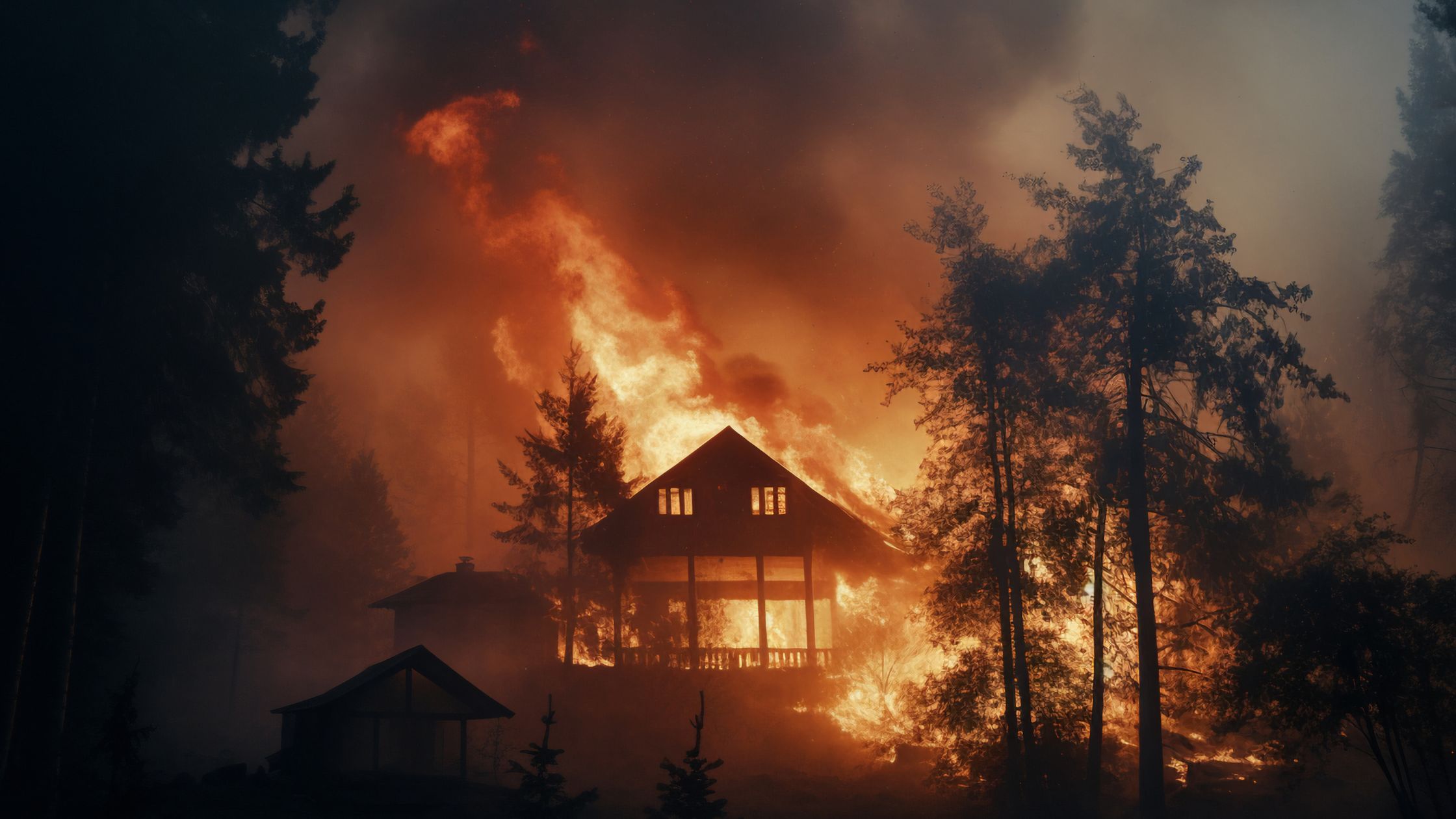
I grew up studying environmental science at Allegheny College because I believed understanding ecosystems meant protecting them. What I didn’t anticipate was how personally that mission would hit me decades later, standing in the charred remains of neighborhoods across San Diego and Los Angeles counties. Wildfire in Southern California isn’t a fringe risk anymore. It’s the defining threat to property, safety, and peace of mind for millions of homeowners.
That’s why Ryan Kresan and I founded Ember Pro USA — to build a wildfire defense company that doesn’t just react to the problem, but gets ahead of it with science-backed systems, licensed contractors, and technology that works even when you’re not home.
In this post, I want to walk you through what a wildfire defense company actually does, why Southern California demands specialized expertise, and how to evaluate any company claiming to protect your home — including ours.
The Southern California Wildfire Reality
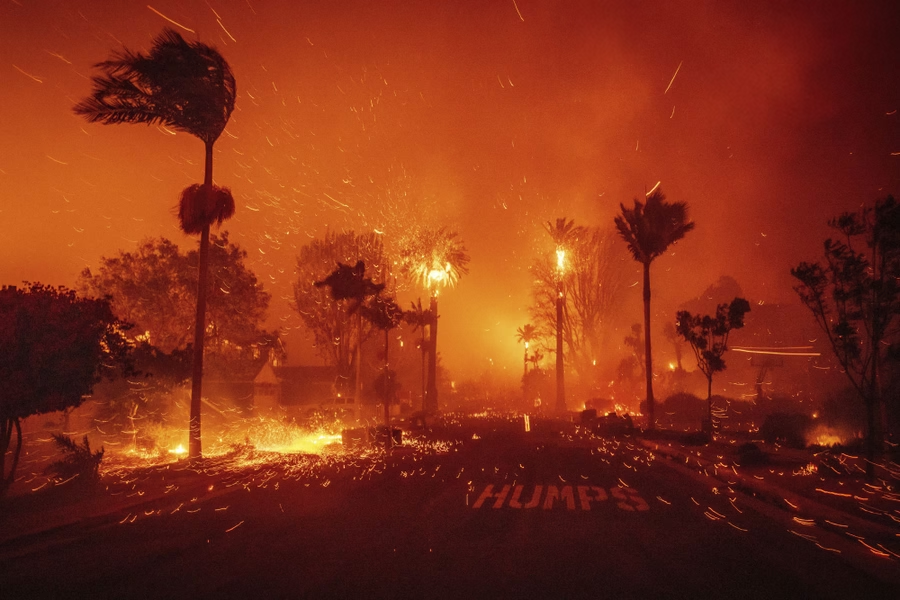
Southern California sits at the intersection of every wildfire accelerant nature can throw at a region. Santa Ana winds regularly push dry air from the inland deserts through mountain passes at 40 to 80 miles per hour, turning small brush fires into firestorms in hours. Decades of fire suppression have loaded our hillsides with dense, volatile vegetation. And our Mediterranean climate delivers long, rainless summers that leave fuel moisture levels dangerously low by October.
The numbers tell the story. CAL FIRE data consistently ranks Southern California counties among the highest-risk fire zones in the state. San Diego County alone has seen catastrophic fire events from Cedar (2003) to the ongoing threat cycles that force evacuations nearly every fall season. Los Angeles County’s recent fire seasons have devastated communities from Pacific Palisades to Altadena. Orange County and Riverside County face their own escalating risks as development continues to push into the wildland-urban interface.
Insurance carriers have responded by pulling out of high-risk zip codes entirely. If you live in a Fire Hazard Severity Zone — and millions of Southern Californians do — you may already be dealing with non-renewal notices, skyrocketing premiums, or the California FAIR Plan as your only option. A wildfire defense company isn’t a luxury in this environment. It’s becoming a prerequisite for keeping your home insurable and your family safe.
Editor’s note: Your insurance situation depends heavily on your property’s actual fire exposure. Our free risk assessment factors in official CAL FIRE data to show what your risk level actually is — useful context before talking to your carrier.
What a Wildfire Defense Company Actually Does
There’s a wide gap between a landscaping crew that clears brush and a wildfire defense company that takes a systems-level approach to protecting your property. Here’s what comprehensive wildfire defense looks like in practice.
Wildfire Risk Assessment
Every engagement should start with a thorough property assessment. This means evaluating your home’s construction materials, roof type, vent systems, deck and fence attachments, vegetation clearance zones, topography, and prevailing wind exposure. At Ember Pro, we offer a free 10-point wildfire home inspection that covers all of these factors and produces an actionable plan — not a generic checklist.
A good assessment also accounts for your property’s relationship to surrounding structures. In dense Southern California neighborhoods, your neighbor’s unprotected wood fence or untreated shake roof can become the ignition source that threatens your home, regardless of your own preparation.
Defensible Space Creation and Vegetation Management
California law (PRC 4291) requires 100 feet of defensible space around structures in fire hazard zones. But the law is a minimum standard, not a performance guarantee. A wildfire defense company should design vegetation management plans that account for your specific terrain, wind patterns, and fuel load — not just measure distances with a tape measure.
This includes strategic tree limbing, removal of ladder fuels that allow ground fires to climb into canopy, replacement of flammable ornamental plants with fire-resistant alternatives, and ongoing seasonal maintenance to keep clearance zones effective year-round.
Home Hardening
Ember intrusion is the leading cause of structure loss during wildfires. Embers can travel over a mile ahead of a fire front, entering homes through vents, eaves, gaps in siding, and open windows. Home hardening addresses these vulnerabilities systematically.
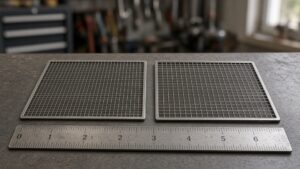
Critical hardening measures include installing ember-resistant vent screens rated to at least 1/8-inch mesh, sealing gaps in soffits and eaves, upgrading to Class A fire-rated roofing, replacing single-pane windows with tempered or multi-pane glass, and using non-combustible materials for fencing and deck attachments within five feet of the structure.
This is where licensing matters. In California, any contractor performing home hardening work must hold an active CSLB (Contractors State License Board) license. Ember Pro operates under CSLB License #1142407, which means our work meets state standards and is backed by the bond and insurance protections the license requires. Any wildfire defense company you consider should be able to produce their license number on request — if they can’t, walk away.
Fire Retardant and Inhibitor Application
Beyond physical hardening, chemical treatments add a critical layer of defense. At Ember Pro, we use Citrotech fire inhibitor — a plant-based, environmentally responsible product that can be applied to vegetation, structures, and surrounding landscape to reduce ignition risk. Unlike some petroleum-based retardants, Citrotech aligns with our commitment to eco-friendly wildfire defense.
Fire retardant application should be timed strategically, typically before peak fire season or when red flag warnings are forecast. A wildfire defense company that just sells you a barrel of retardant and wishes you luck isn’t providing defense — they’re selling a product.
Remotely Activated Defense Systems
This is where Ember Pro’s approach diverges significantly from most competitors. We design and install off-grid, remotely activated wildfire defense systems that can be triggered from anywhere — your phone, a monitoring service, or automated sensor activation.
Why does this matter? Because mandatory evacuations mean you won’t be home when the fire arrives. Most homeowners have to leave their property entirely unprotected during the exact hours when defense matters most. Our systems are engineered to operate independently of the power grid and municipal water supply, so they function when infrastructure fails — which is exactly when wildfires are at their most destructive.
These aren’t sprinkler systems wired to your garden hose. They’re purpose-built wildfire suppression systems designed for the extreme conditions of a Southern California fire event. If a wildfire defense company can’t explain how their system works during a power outage and a water shutoff, their system has a critical gap.
Why Southern California Demands Specialized Expertise
Wildfire defense isn’t the same everywhere. A company that protects homes in Northern California’s timber country faces different challenges than one working in Southern California’s chaparral and coastal sage scrub environments. Here’s what makes our region unique.
Santa Ana Wind Dynamics
Santa Ana winds create fire behavior that’s fundamentally different from wind-driven fires in other regions. These offshore, downslope winds are hot, dry, and unpredictable in their channeling through canyons and passes. A wildfire defense company operating in Southern California needs to understand how these winds interact with local topography to create spot fires, rapid fire spread, and ember showers that can overwhelm standard preparation.
Wildland-Urban Interface Density
Southern California has some of the most densely developed wildland-urban interface in the country. Homes aren’t set back from wilderness — they’re built into it. This means structure-to-structure fire spread is a major risk factor that pure vegetation management can’t address. Your defense plan has to account for what your neighbors are and aren’t doing.
Regulatory Complexity
California’s wildfire regulations are among the most complex in the nation. AB 3074 expanded home hardening requirements. The State Fire Marshal’s office has updated defensible space inspection protocols. Local jurisdictions add their own requirements on top of state law. A qualified wildfire defense company keeps current on all of these layers and ensures your property meets or exceeds every applicable standard.
Insurance Documentation
One of the most underrated services a wildfire defense company provides is documentation that satisfies insurance carriers. When you’ve invested in defensible space, home hardening, and active defense systems, you need professional documentation that communicates those improvements to insurers in their language. We’ve helped homeowners across San Diego, Los Angeles, Orange County, and Riverside County maintain or reinstate coverage by providing detailed mitigation reports that demonstrate reduced risk.
How to Evaluate a Wildfire Defense Company
Not every company advertising wildfire defense services delivers the same level of protection. Here’s what I’d look for if I were hiring someone to protect my own home.
- Active CSLB license: Verify it on the CSLB website. No license means no legal accountability and no state-mandated bond or insurance protection for you.
- Full-spectrum services: Assessment, defensible space, home hardening, fire retardant application, and active defense systems should all be available from one provider. If you need three different companies to cover the basics, none of them are truly comprehensive.
- Technology that works when you’re gone: Evacuations are mandatory in Southern California fire zones. If the company’s defense strategy requires you to be home, it fails when it matters most.
- Environmental responsibility: The irony of protecting homes from wildfire using toxic chemicals that damage the ecosystem shouldn’t be lost on anyone. Ask about the products they use and whether those products are safe for soil, water, and wildlife.
- Ongoing maintenance programs: Wildfire defense isn’t a one-and-done project. Vegetation grows back. Products degrade. Systems need testing. Look for annual or seasonal maintenance programs that keep your defenses current.
- Local knowledge: National franchises don’t understand Santa Ana wind patterns, local fuel types, or the specific regulatory requirements of California counties. You want a company rooted in Southern California.
Ember Pro’s Full-Service Approach
At Ember Pro USA, Ryan Kresan and I built the company around a simple principle: wildfire defense should be comprehensive, professional, and available to every homeowner in Southern California — not just those with six-figure budgets.
Our service model covers every phase of wildfire preparedness. We start with a detailed property assessment through our free 10-point wildfire home inspection. From there, we develop a customized defense plan that may include defensible space creation, home hardening improvements, Citrotech fire inhibitor application, and installation of our off-grid, remotely activated defense systems.
We serve homeowners across San Diego, Los Angeles, Orange County, and Riverside County. Every project is executed under our CSLB License #1142407, and we maintain full insurance coverage on all work performed.
What sets us apart from other wildfire defense companies in Southern California is the integration of every service under one team. You’re not coordinating between a landscaper, a general contractor, and a fire suppression vendor. One team assesses your property, designs your defense plan, executes the work, and maintains your systems season after season.
If you’re ready to have a conversation about protecting your home, contact our team or call us directly at (858) 939-9345. We’ll start with the free inspection and go from there — no pressure, no hard sell, just an honest assessment of your risk and your options.
Frequently Asked Questions
What does a wildfire defense company do differently than a landscaper or general contractor?
A landscaper can clear brush and a general contractor can replace siding, but neither specializes in the integrated approach wildfire defense requires. A wildfire defense company combines risk assessment, vegetation management, structural hardening, fire retardant application, and active suppression systems into a coordinated defense plan. Every element is designed to work together, and the work is informed by fire behavior science rather than general construction or landscaping practices.
How much does professional wildfire defense cost in Southern California?
Costs vary widely depending on property size, existing conditions, and the scope of work needed. A defensible space project might run a few thousand dollars, while comprehensive home hardening and defense system installation can be a more significant investment. We recommend starting with our free 10-point wildfire home inspection to get a clear picture of your property’s specific needs and associated costs before committing to anything.
Will wildfire defense improvements help me keep my homeowners insurance?
In many cases, yes. Insurance carriers are increasingly looking at specific mitigation measures when making underwriting decisions. Professional documentation of defensible space compliance, home hardening improvements, and active defense systems can support your case for coverage retention or reinstatement. We provide detailed mitigation reports designed to communicate your property’s reduced risk profile to insurers.
What is Citrotech fire inhibitor, and is it safe for the environment?
Citrotech is a plant-based fire inhibitor that reduces the ignition potential of treated surfaces and vegetation. Unlike petroleum-based retardants, Citrotech is designed to be safe for soil, water systems, and wildlife. It aligns with our commitment to eco-friendly wildfire defense — protecting homes without creating new environmental problems in the process.
How do remotely activated defense systems work during a power outage?
Our off-grid systems are engineered to operate independently of the municipal power grid and water supply. They use dedicated power sources and water reserves that function when infrastructure fails. You can activate the system remotely from your phone or through automated sensor triggers, meaning your property is defended even during mandatory evacuations when you can’t be home.
What areas does Ember Pro serve in Southern California?
We serve homeowners across San Diego County, Los Angeles County, Orange County, and Riverside County. Our team is based in Southern California and works exclusively in this region, which means we understand the specific fire behavior patterns, regulatory requirements, and environmental conditions that affect properties here.
Do I need wildfire defense if I’m not in a designated Fire Hazard Severity Zone?
Being outside a designated FHSZ doesn’t mean you’re free from risk. Embers can travel more than a mile from an active fire front, and many homes outside formal fire zones have burned in recent Southern California fire events. If you can see brush, hills, or open space from your property, a professional assessment is worth the time. Our free inspection can help determine your actual risk level regardless of your formal zone designation.
How often should wildfire defense systems and defensible space be maintained?
At minimum, defensible space should be inspected and maintained before each fire season — typically by late spring or early summer in Southern California. Active defense systems should be tested at least annually, and fire retardant applications may need refreshing depending on weather exposure and product specifications. Ember Pro offers ongoing maintenance programs to keep your defenses current year-round.
What should I look for when choosing a wildfire defense company in Southern California?
Start with licensing — verify an active CSLB license on the Contractors State License Board website. Look for a company that offers comprehensive services under one roof: assessment, defensible space, home hardening, fire retardant, and active defense systems. Ask how their systems perform during power outages and evacuations. And choose a company with deep roots in Southern California that understands local fire behavior, Santa Ana wind dynamics, and California’s complex wildfire regulations. You can reach our team at (858) 939-9345 to start the conversation.
Curious about your property’s actual wildfire risk? Our free calculator shows your CAL FIRE zone, exposure level, and recommended next steps based on your address.
Get your free risk score
Leave a Reply